2026 Nor’easter Flooding Hits New York & New Jersey: Emergency Declared, African Diaspora Businesses at Risk
Background: A historic storm system rolls down the East Coast
On the night of September 26, a deep low‑pressure system off the Atlantic coast deepened into one of the most powerful Nor'easters of the decade. Meteorologists at the National Weather Service warned that the storm would bring sustained winds over 50 mph, heavy snowfall in the north and torrential rain along the Mid‑Atlantic corridor. The system’s slow movement meant that rain bands lingered over the densely populated stretch from Maine to Virginia for more than 48 hours, creating a perfect recipe for urban flooding.
The storm’s moisture plume, fed by warm Gulf Stream waters, set records for rainfall intensity in parts of New York and New Jersey. In New York City’s borough of Queens, a single 24‑hour total of 6.2 inches exceeded the historic average by more than 150 percent, while Newark recorded a peak of 5.8 inches in the same period. The deluge overwhelmed drainage infrastructure that had not been upgraded since the 1990s, prompting officials to issue flash‑flood warnings across the region.
What happened on the ground: Emergency declarations and immediate impacts
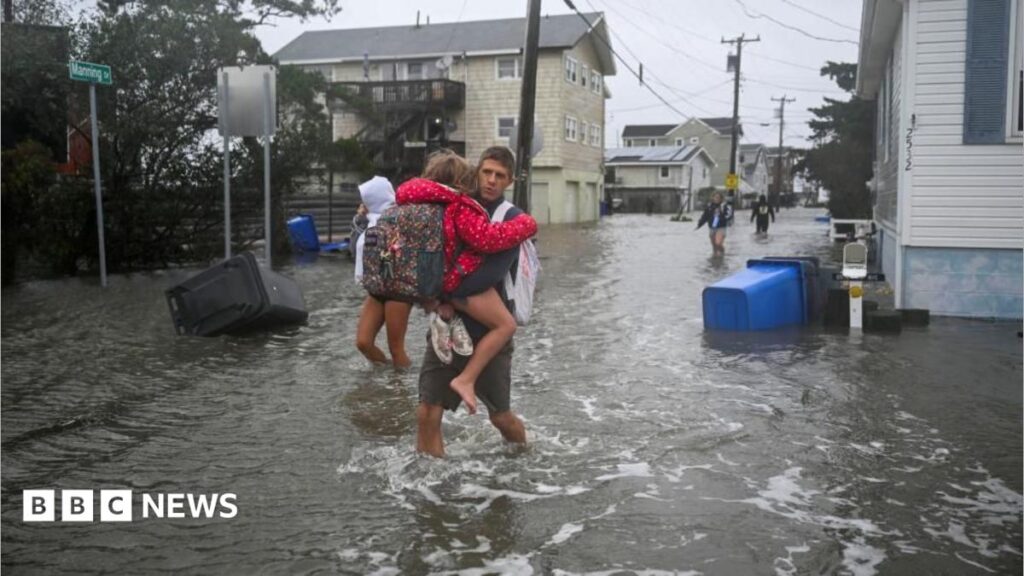
Governor Kathy Hochul of New York and Governor Phil Murphy of New Jersey each declared a state of emergency on September 27, unlocking funds for sandbag distribution, road clearing and temporary shelters. In Manhattan, the subway system saw multiple tunnel closures as water seeped into the 4‑line’s downtown segment, stranding commuters for hours. In New Jersey, the Garden State Parkway was shut down for three hours after a section collapsed under the weight of flood‑water‑saturated soil.
The human toll rose quickly. The New York City Office of Emergency Management reported more than 1,200 calls for rescue assistance within the first 12 hours, many of them from low‑lying apartment complexes. Hospitals in the Bronx and Newark reported a surge in patients with hypothermia and water‑related injuries, stretching already‑stretched emergency rooms. Power outages affected roughly 250,000 customers across both states, with some neighborhoods remaining dark for over a day.
Why it matters: Climate risk, insurance markets and the African diaspora
The Nor'easter is not an isolated event; climate scientists have warned that a warming Atlantic is making winter storms wetter and more erratic. According to a recent report from the Climate Impact Institute, the frequency of “100‑year” flood events in the Northeast could double by 2050 if emissions remain unchecked. This raises the cost of flood insurance, which already consumes a larger share of premiums in New York and New Jersey than in most other U.S. states.
For the African diaspora, the storm’s impact is especially acute. Queens and Brooklyn host the largest concentration of African‑born residents in the United States, many of whom run small restaurants, hair salons and import‑export businesses that rely on street‑level foot traffic. Preliminary surveys by the African Business Association of New York indicate that at least 30 percent of these enterprises suffered water damage to inventory or equipment, threatening livelihoods that support families both in the U.S. and back home in Nigeria, Ghana and Kenya.
The ripple effect reaches global capital markets as well. Several African sovereign wealth funds hold sizable stakes in U.S. real‑estate and infrastructure assets located in the flood‑prone corridor. A spike in claims could depress asset values, prompting fund managers to reassess exposure to climate‑vulnerable U.S. holdings and consider reallocating toward greener projects in Africa.
Reactions: From community leaders to policymakers
Local community groups mobilized quickly. The Queens African Community Center set up a makeshift relief hub offering sandbags, bottled water and translation services in Swahili, Yoruba and Amharic. Pastor Samuel Kofi of a Ghanaian church in Newark urged congregants to donate unused generators, noting that many of his parishioners work in essential services and cannot afford prolonged outages.
State officials faced criticism for what some activists describe as “decades of under‑investment” in storm‑water infrastructure. In a press conference, Governor Hochul pledged $1.2 billion for a comprehensive upgrade of the combined sewer system, a promise that mirrors similar commitments made after Hurricane Ida in 2021. Meanwhile, the Federal Emergency Management Agency (FEMA) announced an additional $250 million in disaster relief grants, a sum that community leaders say will need to be earmarked for small‑business recovery to be truly effective.
What’s next: Recovery, policy shifts and long‑term resilience
In the coming weeks, city and state agencies will focus on clearing debris, restoring transit service and processing insurance claims. The New York City Department of Environmental Protection has launched a pilot program that uses real‑time sensors to monitor water levels in vulnerable neighborhoods, aiming to give residents earlier warnings for future storms.
Long‑term, the Nor'easter may accelerate a policy shift toward climate‑adaptive design. Urban planners in New York are already drafting proposals for “green corridors” that combine permeable pavement, rain gardens and elevated walkways—features that could reduce runoff by up to 40 percent. For African‑owned businesses, city programs that provide low‑interest loans for flood‑proof upgrades could become a lifeline, ensuring that the diaspora’s economic contribution remains resilient amid a changing climate.
Finally, the episode underscores the interconnectedness of climate risk across continents. As African investors watch the fallout in the U.S., many are calling for stronger climate‑risk disclosure standards in global markets, a move that could spur more financing for renewable energy and resilient infrastructure projects on the continent.
Quick Answers
Which states declared emergencies because of the 2026 Nor'easter?
New York and New Jersey both declared states of emergency on September 27, 2026.
How are African diaspora businesses in New York affected by the flooding?
Many African‑owned shops in Queens and Brooklyn suffered water damage, threatening income for families that also support relatives in Africa.
What long‑term measures are being considered to prevent similar floods?
Officials plan to invest in upgraded storm‑water systems, green infrastructure like rain gardens, and real‑time flood‑monitoring sensors.
Source: www.bbc.co.uk




💬 Comments 0