2026 Study Finds 78% of U.S. Wildfires Sparked by Human Actions – What It Means Globally
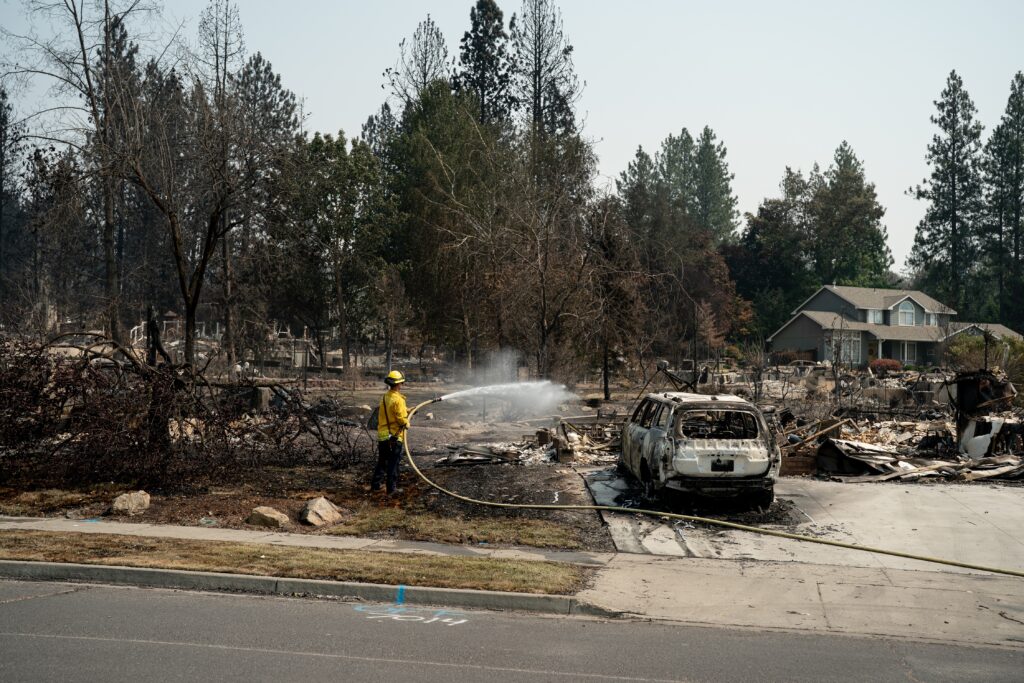
Why human behavior fuels most U.S. wildfires
A comprehensive analysis released by the U.S. Forest Service in June 2026 shows that 78 percent of wildfires ignited across the United States stem from human activity. The breakdown reveals that careless campfires, discarded cigarettes, power‑line failures and deliberate arson together eclipse natural causes such as lightning. The report stresses that the surge in residential development at the edge of forests – the so‑called wildland‑urban interface – amplifies the likelihood of accidental ignitions, especially during dry, high‑temperature spells.
These findings echo earlier research linking climate‑driven droughts to larger, more intense fire seasons, but they shift the narrative from nature‑only blame to a mixed picture where people are the primary spark. Experts say that while a warming climate creates tinder, it is human negligence that lights the match. This nuance matters for policymakers who must balance climate mitigation with stricter land‑use enforcement.
Economic and health fallout beyond the flames
The financial toll of human‑caused blazes is staggering. The National Interagency Fire Center estimates that in 2025 alone, fire suppression costs topped $7 billion, a figure that has risen sharply as more communities sit closer to fire‑prone ecosystems. Insurance premiums for homeowners in high‑risk counties have climbed up to 30 percent, squeezing budgets already strained by inflation.
Health consequences extend far beyond the burn scar. Smoke from wildfires carries fine particulate matter that can travel thousands of miles, worsening asthma rates and cardiovascular stress in urban centers far from the actual fire. A 2026 study by the American Lung Association linked a 10‑percent rise in emergency‑room visits for respiratory issues to a single week of heavy smoke over the West Coast.
Lessons for African nations battling their own blaze crises
Across the continent, countries such as South Africa, Kenya and Mozambique are confronting fire seasons that increasingly mirror the U.S. pattern of human ignition. In South Africa’s Western Cape, the 2023‑24 season saw over 1 500 fires, with provincial officials attributing roughly 70 percent to illegal land‑clearing and discarded waste. Kenya’s forest reserves have suffered repeated arson attacks during election periods, a tactic that threatens biodiversity and tourism revenue.
African insurance markets are beginning to feel the pressure. According to a 2026 report from the African Reinsurance Association, claims related to wildfire damage in the Southern African Development Community (SADC) region rose by 18 percent compared with the previous year. The diaspora community, especially Nigerians and Ghanaians invested in real‑estate abroad, is watching these trends closely, fearing that rising premiums could affect cross‑border property investments.
Policy shifts and the road ahead
In response to the U.S. data, federal and state agencies are tightening regulations around fire‑prone activities. The Bureau of Land Management announced a pilot program in Arizona that uses satellite‑based heat‑signatures to issue real‑time alerts for illegal campfires. Meanwhile, California has introduced a $500 fine for any vehicle that parks within 100 feet of dry vegetation during peak fire months.
African governments are also experimenting with technology‑driven deterrence. South Africa’s Department of Forestry recently partnered with a local startup to deploy drones that map hot spots in informal settlements bordering the fynbos. Kenya’s Ministry of Environment is drafting a law that would criminalise the burning of charcoal in protected areas, a practice that currently fuels both deforestation and wildfire risk.
What citizens can do to curb fire risk
Experts agree that individual behavior can dramatically cut ignition rates. Simple steps such as fully extinguishing campfires, using fire‑resistant grills, and avoiding the use of fireworks during dry periods can prevent a large share of incidents. Community outreach programs in California’s Sierra Nevada have reported a 22 percent drop in fire calls after volunteers distributed fire‑safety kits to residents.
For African readers, the message is equally clear. In regions where charcoal production and slash‑and‑burn agriculture remain common, adopting improved stoves and controlled burning techniques can reduce accidental spread. Diaspora groups are increasingly supporting NGOs that promote sustainable land‑management practices back home, turning concern over distant U.S. fires into actionable climate‑resilience projects on the continent.
Quick Answers
What percentage of U.S. wildfires are caused by humans?
According to the U.S. Forest Service, about 78 percent of wildfires in the United States are ignited by human activities.
How do human‑caused fires affect African insurance markets?
Claims related to wildfire damage in the SADC region rose by roughly 18 percent in 2025, prompting insurers to raise premiums and tighten underwriting criteria.
What simple actions can individuals take to prevent wildfires?
Extinguishing campfires completely, avoiding discarded cigarettes, using fire‑safe equipment and respecting local burn bans are the most effective personal measures.
Source: www.npr.org




💬 Comments 0