2026 US Envoy Talks Russia‑Ukraine Peace: Symbolic Gestures Hide Deep Divide on Ceasefire
Background: A war that reshaped global priorities
When Russia launched its full‑scale invasion of Ukraine in February 2022, the conflict quickly moved beyond the borders of Eastern Europe. It triggered a cascade of supply‑chain shocks, spiked energy prices, and forced the world to rethink food security, especially in regions heavily dependent on Ukrainian grain exports such as sub‑Saharan Africa.
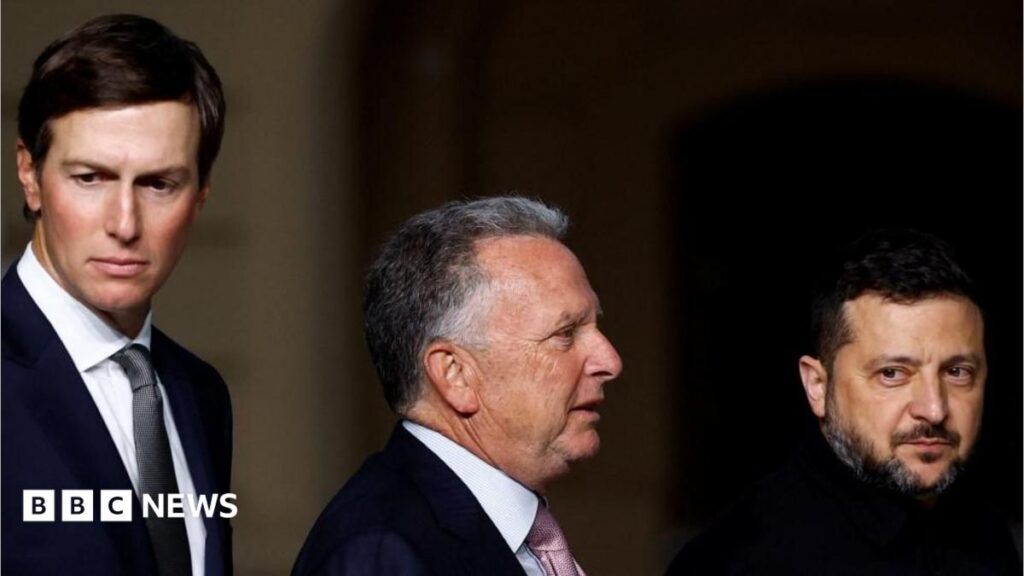
The United States, positioning itself as a principal mediator, dispatched senior envoys to Moscow and Kyiv in 2024 and again in early 2026. Their mandate was to translate the symbolic goodwill shown by both leaders—such as Putin’s invitation to a joint cultural exhibition and Zelensky’s televised appeal for a humanitarian pause—into concrete steps toward a ceasefire and a roadmap for post‑war reconstruction.
What the 2026 talks looked like on paper
The most recent round of negotiations, held in Geneva behind closed doors, featured three core proposals: a temporary ceasefire tied to the safe evacuation of civilians, a phased withdrawal of Russian forces from internationally recognized Ukrainian territory, and a multilateral aid package that would channel Western funds through the United Nations into Ukraine’s devastated infrastructure.
While the agenda appeared comprehensive, the language used by each side revealed the gulf that still separates them. The Russian draft called for “recognition of the de‑facto control of certain regions” and stressed the need for “security guarantees against NATO expansion.” Ukraine’s counter‑proposal, by contrast, demanded “full restoration of sovereignty” and insisted that any aid be unconditional, a point that the United States tried to mediate by suggesting a “performance‑based” release schedule.
Why the symbolism matters – and why it isn’t enough
The symbolic gestures—such as the joint concert of Ukrainian folk singers and Russian ballet dancers—were designed to signal a willingness to move beyond battlefield rhetoric. Analysts in Washington argue that these cultural overtures help create a political climate where leaders can talk without immediately triggering domestic backlash.
However, scholars at the African Centre for Strategic Studies note that symbolism cannot substitute for the hard‑nosed compromises required to end hostilities. The core issues—territorial integrity, security guarantees, and the fate of war‑crimes tribunals—remain at odds, making any ceasefire fragile and likely to collapse without a binding enforcement mechanism.
The African angle: How the stalemate reverberates on the continent
Africa imports roughly 30 % of its wheat from Ukraine and 20 % of its fertilizer from Russian producers. The United Nations Food and Agriculture Organization estimates that a prolonged conflict could push an additional 15 million Africans into food insecurity, a figure that already eclipses the pre‑war baseline of 12 million.
Beyond food, the war has also reshaped diplomatic alignments. Several African Union member states, notably Kenya and South Africa, have called for a swift peace settlement to stabilise global commodity markets. Meanwhile, the diaspora in Europe and North America has mobilised lobbying efforts, urging Western governments to prioritise a ceasefire that would allow humanitarian shipments to resume through the Black Sea corridor.
What comes next? Scenarios and stakes for the coming months
If the United States can convince both Moscow and Kyiv to accept a limited, time‑bound ceasefire, the immediate benefit would be the reopening of grain corridors that could lower food prices across Africa by as much as 8 % before the end of 2026, according to a report by the International Trade Centre. Such a move would also free up fertilizer supplies, easing the cost pressure on African smallholder farmers.
Conversely, a breakdown in talks could see the conflict dragging on for years, deepening the economic fallout for African economies already grappling with debt and inflation. The risk of a proxy escalation—whereby China or the EU deepen their involvement—could further complicate Africa’s non‑aligned foreign‑policy stance, forcing countries to pick sides in a geopolitical tug‑of‑war.
Quick Answers
What are the main obstacles to a Russia‑Ukraine ceasefire in 2026?
The key hurdles are Russia’s demand for security guarantees against NATO expansion and Ukraine’s insistence on full territorial restoration and unconditional aid.
How does the Ukraine war affect food security in Africa?
Africa relies on Ukrainian grain and Russian fertilizer; continued fighting threatens to raise food prices and could push millions more into hunger.
What role is the United States playing in the latest peace talks?
U.S. envoys are mediating between Moscow and Kyiv, trying to translate symbolic gestures into a concrete ceasefire and a phased withdrawal plan.
Source: www.bbc.co.uk



💬 Comments 0