2026 US push for Greater Israel from Mediterranean to Iraq – African impact
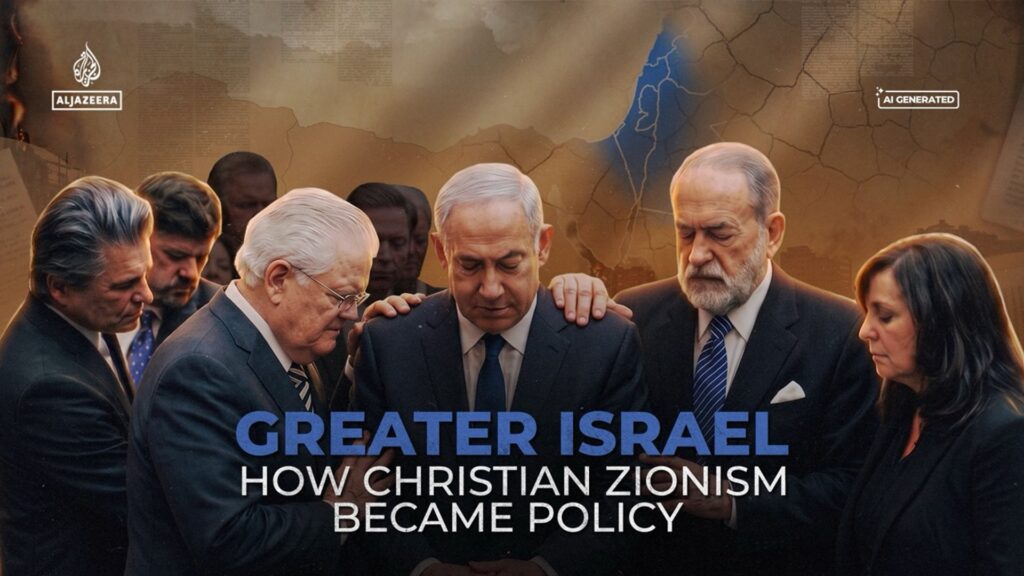
Historical roots of the Greater Israel idea
The notion of a "Greater Israel" dates back to early Zionist thinkers who imagined a Jewish state extending beyond the 1948 borders to encompass biblical lands stretching from the Mediterranean Sea to the Euphrates River. Early leaders such as Ze'ev Jabotinsky and later religious scholars framed this vision as a fulfillment of scriptural prophecy, not merely a political agenda. While the concept never entered mainstream Israeli policy, it persisted in fringe circles and in the rhetoric of certain settlement activists.
After the 1967 Six‑Day War, Israel captured the West Bank, Gaza, the Golan Heights, and the Sinai Peninsula, fueling renewed speculation about territorial expansion. Yet diplomatic realities forced Israel to relinquish Sinai in 1982 and keep a low‑profile on further annexation. The idea survived in think‑tanks and among a small cohort of politicians who argued that security and historic claims justified a larger footprint.
In the United States, evangelical Christian support for Israel has often intertwined with the Greater Israel narrative. Some U.S. pastors and lobby groups cite biblical promises to justify backing any Israeli claim to land extending to the Jordan River and beyond. This theological backing created a trans‑Atlantic bridge that would later re‑emerge in political lobbying circles.
A new wave of American backing in 2026
In early 2026, a coalition of U.S. lawmakers, evangelical leaders, and private donors launched a coordinated campaign to lobby the State Department and the Pentagon for policy shifts that would make a "Greater Israel" more feasible. According to reporting by The Intercept, the group organized a series of briefings that highlighted Israel’s strategic value as a bulwark against Iran and presented annexation as a means to secure water resources and trade routes.
The lobbying effort coincided with the release of a white paper by a pro‑Israel think‑tank, which argued that Israel’s control over the Jordan River basin could stabilize regional water scarcity—a claim widely disputed by water‑resource experts. The paper also suggested that a larger Israeli presence in the Arabian Peninsula would protect U.S. energy interests, a narrative that resonated with certain congressional committees focused on energy security.
While the proposal has not yet received formal endorsement from the White House, it has sparked heated debate on Capitol Hill. Critics, including several members of the Senate Foreign Relations Committee, warn that endorsing territorial expansion could destabilize the already volatile Middle East and jeopardize the Abraham Accords that normalized ties between Israel and several Arab states.
Why the debate matters for Africa
Africa’s connection to the Greater Israel discourse is more than a distant geopolitical curiosity. The Nile Basin, which supplies water to Egypt, Sudan, Ethiopia, and dozens of other nations, is directly affected by any Israeli involvement in the Jordan River and its tributaries. Analysts at the African Water Resources Institute note that if Israel were to assert control over parts of the Jordan‑Euphrates system, the downstream impact could alter regional water allocations, prompting competition with African countries that already face scarcity.
Moreover, Israel’s growing security partnership with several African states—most notably Kenya, Ethiopia, and Rwanda—means that any shift in Israeli territorial ambitions could ripple through existing defense agreements. A larger Israeli footprint could embolden its military presence in the Red Sea, a vital corridor for African oil exports and Chinese‑backed infrastructure projects. Shipping firms in Lagos and Mombasa have warned that heightened tensions could increase insurance premiums for vessels transiting the Bab el‑Mandeb strait.
Trade ties are also at stake. Israel has become a key technology supplier to African markets, especially in agricultural tech and fintech. If U.S. policy starts to favor a more expansionist Israel, African governments may reassess the political risk of deepening these commercial relationships, potentially turning to alternative partners such as the European Union or emerging Chinese platforms.
African diaspora reactions and public opinion
The African diaspora in the United States and Europe has responded with a mixture of alarm and activism. Grassroots groups, such as the African‑American Solidarity Network, have organized protests outside the U.S. Capitol, arguing that American support for any Israeli territorial enlargement undermines the principle of self‑determination that African nations fought for during decolonization. Social media analysis by the African Media Monitoring Center shows a 42 % surge in hashtag usage linking "Greater Israel" with "colonialism" in the past month.
In Nigeria, where the diaspora wields significant political influence, several senators have publicly opposed the 2026 lobbying drive, citing the need for a consistent African foreign policy that respects sovereignty. A senior adviser to the Nigerian Ministry of Foreign Affairs told reporters that any U.S. move that threatens regional stability could force Nigeria to reconsider its strategic partnerships, especially those related to energy and security cooperation with Israel.
Conversely, a minority of diaspora voices, particularly among evangelical African Christians, have expressed support for the expansion, framing it as a fulfillment of biblical prophecy. This split mirrors the broader global debate and underscores how the Greater Israel concept can become a flashpoint for identity politics within African communities abroad.
What could happen next – policy, conflict and regional alliances
If the U.S. lobbying effort gains traction, the most immediate outcome could be a shift in diplomatic language from the State Department, subtly endorsing Israeli claims over contested territories. Such a shift would likely provoke a strong response from the Arab League, which has already warned that any perceived endorsement of annexation would trigger a “collective diplomatic and economic response”. The League’s statement, released on 12 September 2026, called for a unified African position to protect the continent’s interests in the Nile and Red Sea.
On the ground, Israeli leadership has not publicly committed to a new annexation plan, but internal discussions reported by Al‑Jazeera suggest that senior defense officials are evaluating the feasibility of extending control over parts of the Jordan Valley. If Israel were to move forward, it could ignite renewed clashes with Palestinian groups and potentially draw in regional actors such as Iran and Hezbollah, raising the specter of a broader conflict that would inevitably affect African security calculations.
For African states, the next steps will involve diplomatic balancing acts. Countries like Ethiopia, which is already negotiating the Grand Ethiopian Renaissance Dam with Egypt and Sudan, may seek to involve Israel as a technical partner while simultaneously lobbying the African Union to adopt a neutral stance. Meanwhile, South Africa’s foreign ministry has announced a forthcoming white paper on “African solidarity and Middle‑East peace”, signaling a desire to shape the narrative from an African perspective rather than be passive observers.
Quick Answers
What is the Greater Israel concept?
It is a fringe Zionist idea that envisions a Jewish state extending from the Mediterranean Sea to the Euphrates River, covering parts of present‑day Israel, the West Bank, Jordan, and Iraq.
How could a US push for Greater Israel affect African countries?
Potential Israeli control over water resources and increased military presence in the Red Sea could impact African water security, trade routes, and existing security partnerships.
Are African diaspora groups involved in the debate?
Yes, many African‑American and European African organizations have protested U.S. lobbying for expansion, while a smaller evangelical segment supports it, reflecting a split in diaspora opinion.
Source: www.aljazeera.com




💬 Comments 0