White House blocks CNN, MSNOW and Politico reporters on Sept 21 2026 – implications for press freedom and African coverage
Background: a rare denial of White House access
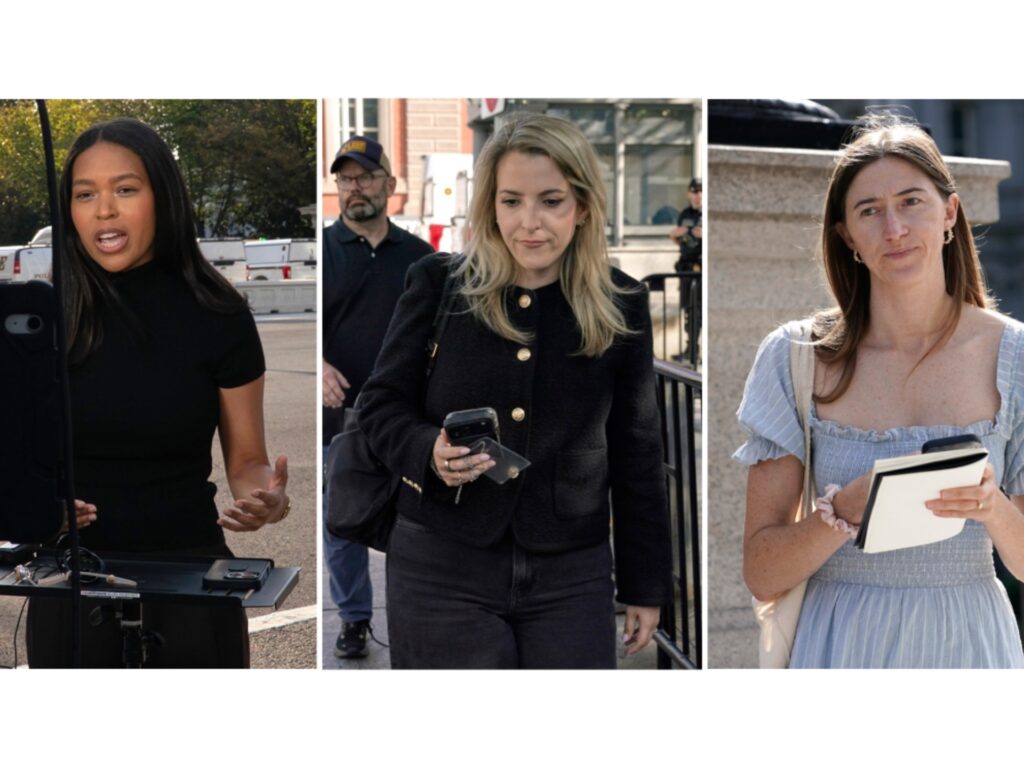
On Saturday, September 21, 2026, the White House security team turned away reporters from three major outlets – CNN, MSNOW and Politico – refusing them entry to the press briefing room. The decision was announced by the White House press office without a detailed explanation, marking the first time in over a decade that the administration has outright barred credentialed journalists from the building.
All three news organisations hold permanent White House press credentials and have historically been part of the daily pool that questions the President and senior officials. The denial came just hours after a contentious briefing on the administration’s new trade policy with Africa, a topic that has attracted intense interest from both U.S. and African media.
Why the ban matters beyond the immediate story
The exclusion raises fundamental questions about the balance of power between the executive branch and the fourth estate. When the President’s own communication hub can decide who gets to ask questions, it creates a chilling precedent that could be leveraged against outlets deemed “uncooperative.”
Press freedom advocates argue that such moves erode transparency and can be used to shape the narrative by limiting critical voices. In the United States, the First Amendment provides strong legal protection, but the practical ability to ask follow‑up questions at the source is a privilege that can be withdrawn at the discretion of the press secretary.
Connecting the incident to a broader trend of press restrictions
The White House’s action fits into a growing pattern observed in several democracies where governments cite “security” or “logistical” reasons to limit media access. In Europe, for example, some parliaments have introduced tighter credentialing rules for foreign correspondents. In Africa, similar concerns have surfaced, with governments in Kenya and Nigeria occasionally revoking press passes during election cycles.
According to a recent report by the Committee to Protect Journalists, the number of incidents where journalists are denied official access has risen by 23 % globally since 2022. The United States, once seen as a benchmark for open government, is now being scrutinised alongside countries that have traditionally struggled with media censorship.
Impact on African reporting and the diaspora community
The timing of the ban is significant because the briefing that was being held dealt with the new U.S.–Africa Trade Initiative, a $12 billion package aimed at boosting exports of African agricultural products to the United States. African journalists based in Washington, as well as correspondents in Nairobi, Lagos and Johannesburg, rely heavily on the White House pool for real‑time quotations and policy nuances.
When mainstream U.S. outlets are shut out, African newsrooms may have to depend on secondary sources or unofficial leaks, which can dilute the accuracy of coverage. Diaspora organisations in the United States, such as the African American Policy Forum, have already expressed concern that the lack of direct reporting could skew public perception of the trade deal’s benefits for African economies.
What could happen next – legal, political and media responses
Legal scholars suggest that the journalists could file a lawsuit alleging violation of their First Amendment rights, though courts have historically given the Executive broad discretion over press credentialing. The White House Press Secretary has promised a “review of the decision” but has not indicated whether the three outlets will be reinstated for future briefings.
In the meantime, rival networks are likely to fill the vacuum. Reuters, Bloomberg and the African newswire AfricaNews have already posted live updates from the briefing, citing sources inside the administration. The incident may also prompt congressional hearings on press access, especially if lawmakers view the move as politically motivated during a period of heightened scrutiny over U.S. policy toward Africa.
Quick Answers
Why were CNN, MSNOW and Politico reporters denied White House access on Sept 21 2026?
The White House cited undisclosed “security and logistical” reasons for the denial, but no official detail was provided.
How does this denial affect coverage of the U.S.–Africa Trade Initiative?
It limits direct quotes from officials, forcing African journalists to rely on secondary sources, which could affect the accuracy of reporting on the $12 billion deal.
Can the journalists challenge the ban legally?
They could file a First Amendment lawsuit, though courts have historically allowed the Executive broad discretion over press credentials.
Source: www.aljazeera.com




💬 Comments 0