Turkish FM Hakan Fidan says Turkey ready to meet Saudi defence needs amid 2026 Red Sea crisis
Background: Turkey‑Saudi defence ties and the Red Sea crisis
Since the signing of a trilateral defence pact in 2024 that linked Turkey, Saudi Arabia and the United Arab Emirates, Ankara has been positioning itself as a strategic security partner for the Gulf. The agreement, which covers joint exercises, weapons sales and intelligence sharing, was meant to counter Iran’s regional influence and to bolster the Kingdom’s own defence industry. It also opened the door for Turkish firms to supply drones, missiles and training services to Saudi forces.
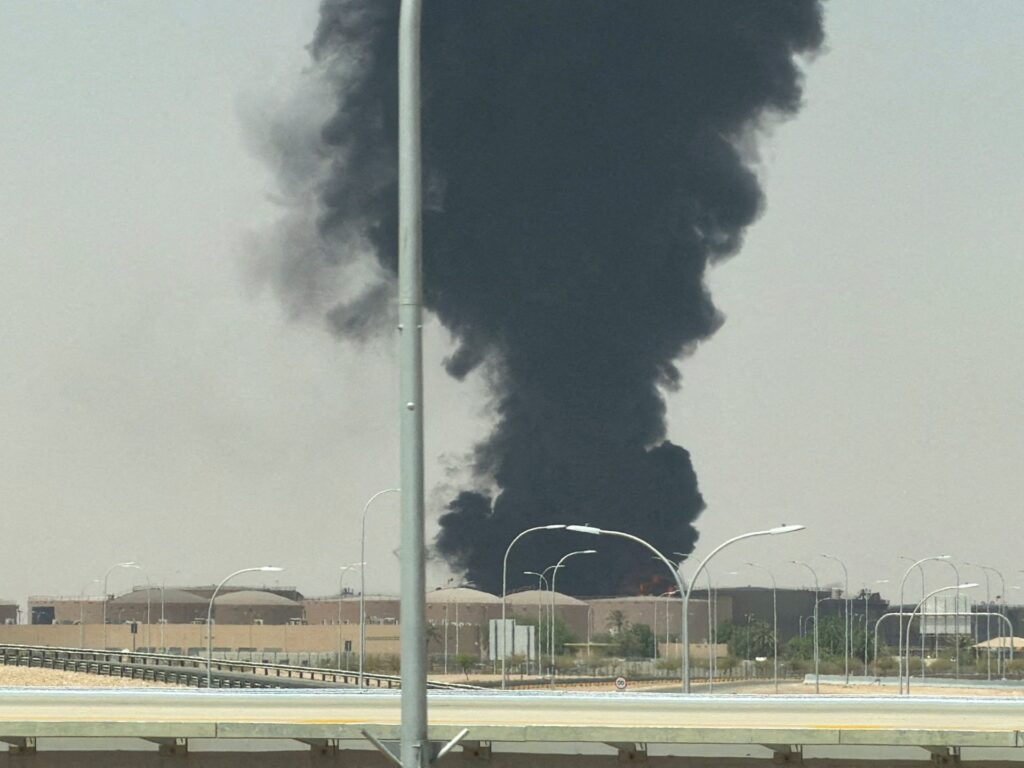
In parallel, the Red Sea has become a flashpoint after the Yemeni Houthi movement stepped up missile and drone attacks on commercial vessels. Since early 2026, the militants have claimed responsibility for more than 30 attacks on ships carrying oil, grain and container cargo, prompting multinational naval patrols and insurance premiums to soar. The disruption has rippled through supply chains that many African exporters rely on to reach Europe and Asia.
African coastal nations such as Kenya, Tanzania and Ethiopia depend heavily on the Bab‑el‑Mandeb strait for the export of coffee, tea, cut flowers and minerals. Any prolonged insecurity threatens not only revenue but also foreign exchange earnings that fund public services. The stakes for the continent are therefore intertwined with the geopolitical calculations of distant powers like Turkey and Saudi Arabia.
The announcement: What Hakan Fidan said
Speaking at a press conference in Ankara on September 19, 2026, Turkish Foreign Minister Hakan Fidan declared that Turkey is “ready to meet Saudi Arabia’s defence needs” as the Kingdom confronts the escalating Houthi threat. Fidan emphasized that the statement was not a new arms sale but a reaffirmation of the existing trilateral framework, which already allows for rapid procurement and logistical support.
Fidan added that Turkish defence companies could accelerate delivery of precision‑guided munitions and electronic‑warfare systems, should Riyadh request them. He also hinted that Turkey could provide “advisory teams” to help coordinate the Kingdom’s naval patrols in the Red Sea, a move that would deepen operational ties beyond the paper‑based agreement signed two years ago.
The foreign minister’s remarks were echoed by a senior official at the Ministry of National Defence, who told reporters that Turkey’s defense exports to Saudi Arabia had risen by 18 % in the past twelve months, signalling a growing commercial dimension to the political pledge.
Why it matters for Africa’s trade corridors
The Red Sea is the shortest maritime link between the Indian Ocean and the Mediterranean, and roughly 10 % of global trade passes through it. For African exporters, the route is a lifeline: Ethiopian coffee, Kenyan tea and Tanzanian minerals all rely on the strait’s safety to keep shipping times and costs predictable. A boost in Saudi naval capability, backed by Turkish technology, could help deter Houthi attacks and restore confidence among ship owners.
Conversely, a deeper Turkish‑Saudi security partnership may also shift the balance of power in the region. If Saudi Arabia leans on Turkish drones and air‑defence systems, it could reduce its dependence on Western equipment, potentially limiting the influence of European defence firms that have traditionally supplied the Gulf. This realignment could affect procurement contracts for African countries that source weapons from the same Western manufacturers, creating a ripple effect in defence budgeting.
African diaspora communities in the Gulf, many of whom work in logistics and port services, stand to feel the impact directly. Safer shipping lanes mean steadier employment for those employed on cargo ships and at Saudi‑run terminals, while a prolonged security vacuum could force workers to seek alternative livelihoods, possibly increasing migration pressures toward Europe or North America.
Regional reactions and the diplomatic chessboard
Iranian officials dismissed Turkey’s pledge as “a superficial show of solidarity,” warning that any escalation could draw more foreign powers into a conflict that already threatens regional stability. In a televised interview, Iran’s foreign ministry spokesperson suggested that the move might provoke a “new wave of proxy confrontations” across the Red Sea and the Gulf of Aden.
Western allies, particularly the United States and the United Kingdom, issued a cautious statement urging “multilateral coordination” to address the Houthi threat, without directly criticizing Turkey’s involvement. Analysts at the International Institute for Strategic Studies noted that Washington may view Turkey’s deeper engagement as a way to share the burden of maritime security, especially as the U.S. Navy reallocates assets to the Indo‑Pacific.
Within the African Union, the Chairperson’s office released a brief note calling for “the protection of commercial shipping routes that are vital to African economies.” The statement stopped short of endorsing any particular side, reflecting the AU’s delicate position of maintaining relationships with both Gulf states and Western partners.
What could happen next: Scenarios and stakes
If Saudi Arabia formally requests Turkish hardware, the first shipments of Turkish‑made Bayraktar TB2 drones could arrive in Riyadh by early 2027, according to a source close to the defence ministry. Such a deployment would likely be paired with Turkish training teams, potentially increasing the Kingdom’s ability to intercept Houthi drones before they reach shipping lanes.
A second scenario involves a diplomatic de‑escalation, where Saudi Arabia opts to rely on multinational naval coalitions led by NATO rather than expanding its own arsenal. In that case, Turkey’s role might stay limited to intelligence sharing, preserving its strategic partnership without triggering an arms race in the Gulf.
The third, less optimistic, outcome is a further escalation that draws in other regional actors, such as the United Arab Emirates or Qatar, each seeking to protect their own maritime interests. A broader coalition could complicate command structures and raise the risk of miscalculations, which would reverberate through African supply chains and could force exporters to reroute cargo via the longer Cape of Good Hope passage, inflating costs by up to 30 % according to a recent freight‑rate analysis.
Quick Answers
What did Turkey’s foreign minister say about Saudi defence needs?
Hakan Fidan said Turkey is ready to meet Saudi Arabia’s defence needs, reaffirming the 2024 trilateral defence pact and offering faster delivery of weapons and advisory support.
How could Turkish‑Saudi cooperation affect Red Sea shipping?
Enhanced Saudi naval capability, backed by Turkish drones and systems, could deter Houthi attacks, making Red Sea routes safer for African exporters and reducing insurance premiums.
What are the implications for African economies dependent on the Red Sea?
Improved security could lower shipping costs and protect export revenues for countries like Kenya, Tanzania and Ethiopia, while a worsening conflict could force costly rerouting around the Cape of Good Hope.
Source: www.aljazeera.com




💬 Comments 0