33 Prisoners Die in Nigerian Jail Heat Crisis 2026: Inside the Overcrowding Tragedy and Its Fallout
A Tragedy Inside Nigeria’s Overcrowded Prisons
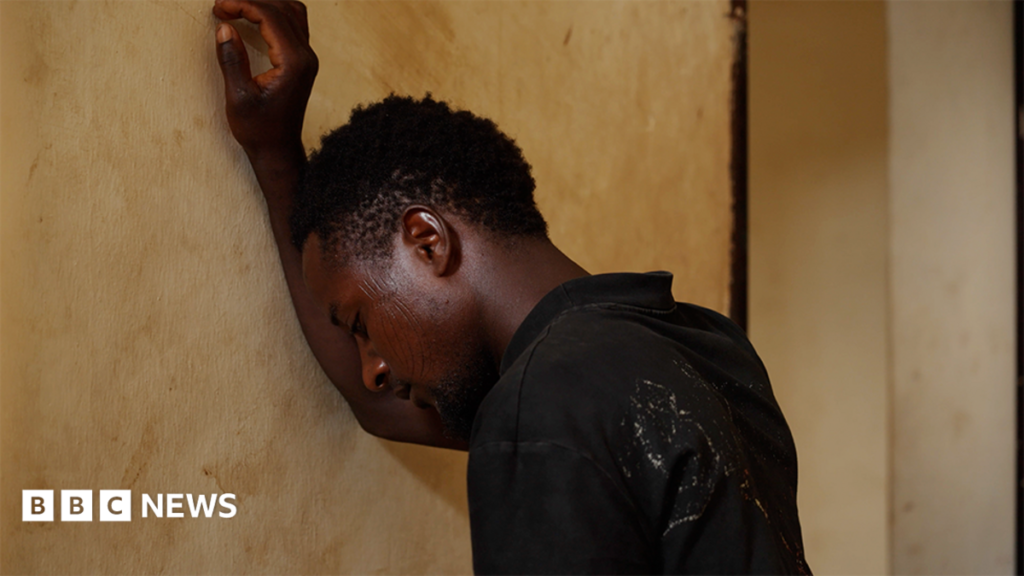
On a sweltering afternoon in July 2026, a survivor emerged from the infamous Kogi State Correctional Facility describing a scene that reads like a horror novel. He said he watched thirty‑three men collapse and die in a single cell block as the temperature surged past 45 °C (113 °F). The accounts, first reported by the BBC, echo long‑standing warnings about Nigeria’s prison system, where cells built for a handful of inmates now hold dozens, often without ventilation or basic sanitation.
The survivor, who asked to remain anonymous for safety, recalled the stifling air, the cracked concrete walls, and the absence of any cooling mechanism. “I have never felt heat like that,” he said, describing the moment when the cries of his fellow inmates turned into silence. By the time officials arrived, the death toll was already at thirty‑three, and dozens more were left in critical condition.
The incident is not isolated. Nigeria’s prison population has ballooned to over 80,000, far exceeding the official capacity of about 40,000, according to the Nigerian Prison Service. Overcrowding, combined with inadequate infrastructure, creates a perfect storm for health emergencies, especially as climate change pushes temperatures higher across the Sahel and West Africa.
What Happened: 33 Deaths in One Cell Block
The tragedy unfolded in Block D of the Kogi State facility, a wing designed for ten inmates but holding more than fifty at the time. A heatwave that hit the region that week saw temperatures climb rapidly, and the prison’s aging metal roof reflected the sun’s rays, turning the interior into an oven. With no functioning fans or water supply, prisoners were left to sweat in their own urine‑soaked clothes.
According to a preliminary forensic report obtained by local journalists, the primary cause of death was heatstroke compounded by dehydration. Several victims also suffered from pre‑existing conditions such as hypertension and asthma, which made them especially vulnerable. The report notes that the prison’s emergency response was delayed; staff did not open the cell doors or call for medical assistance until the situation was already catastrophic.
Family members of the deceased were only notified days later, after the bodies had been moved to a morgue in Lagos for identification. The delay sparked outrage among human‑rights groups, who argue that the state’s failure to provide timely medical care violates both Nigerian law and international conventions Nigeria has ratified, such as the UN Standard Minimum Rules for the Treatment of Prisoners (the Nelson Mandela Rules).
Why It Matters: Human Rights, Public Health, and Governance
Beyond the immediate loss of life, the incident shines a harsh light on systemic governance failures. Nigeria’s constitution guarantees the right to life and humane treatment, yet the prison system operates with chronic underfunding and political neglect. The heat death underscores how environmental stressors can amplify existing institutional weaknesses, turning a routine heatwave into a lethal event.
Public‑health experts warn that such overcrowded, unsanitary conditions are breeding grounds for infectious diseases. In the wake of the COVID‑19 pandemic, prisons worldwide have been identified as high‑risk zones for outbreaks. The Kogi tragedy could therefore act as a catalyst for a wider health crisis if reforms are not enacted swiftly.
Economically, the incident may affect Nigeria’s international reputation, potentially deterring foreign investment. Multinational corporations increasingly evaluate human‑rights records when choosing locations for factories or service centers. A high‑profile prison disaster could trigger calls for stricter due‑diligence requirements from investors and aid donors.
Broader Patterns: Overcrowding, Climate Stress, and Reform Stagnation
The Kogi incident is part of a disturbing regional trend. Across West Africa, prisons in Ghana, Côte d’Ivoire, and Senegal have reported similar spikes in heat‑related illnesses during the 2024‑2026 heatwave seasons. Climate‑change models predict that extreme temperatures will become the norm rather than the exception in the Sahel, raising the stakes for prison infrastructure that has not been upgraded in decades.
Overcrowding itself is a symptom of broader criminal‑justice policies that rely heavily on pre‑trial detention. Amnesty International’s 2025 report noted that over 60 % of Nigeria’s prison inmates are awaiting trial, often for minor offenses. The lack of speedy judicial processes means cells remain full, amplifying the impact of any environmental stressor.
Reform efforts have stalled despite repeated recommendations from the United Nations Office on Drugs and Crime (UNODC). In 2022, the Nigerian government pledged a $150 million prison‑modernisation plan, yet only a fraction of those funds have been allocated, and most projects remain in the planning stage. The Kogi tragedy may finally push policymakers to honor those commitments.
Reactions: From Families, NGOs, and the Government
Families of the victims gathered outside the Kogi State Governor’s office, demanding accountability and immediate compensation. Their chants, “Justice for the dead, health for the living,” were amplified on social media, where hashtags like #KogiHeatDeaths trended for several days. The outcry forced the state’s Ministry of Justice to announce a formal inquiry, though critics argue that past inquiries have rarely led to substantive change.
Human‑rights organisations such as the Civil Liberties Organisation (CLO) and the International Federation for Prisoner Rights have called for an independent forensic audit and a moratorium on further incarcerations in facilities that lack climate‑resilient infrastructure. According to a statement from CLO, the tragedy “exposes a moral failure that cannot be ignored by any administration that claims to protect its citizens.”
The federal government, represented by the Minister of Interior, issued a brief statement expressing “deep sorrow” and pledging to “review prison conditions nationwide.” However, the statement stopped short of assigning blame or outlining concrete steps, leading many observers to label it a typical political platitude.
What’s Next: Legal Action, Policy Shifts, and International Scrutiny
Legal experts anticipate a wave of lawsuits filed by the families under Nigeria’s Constitution and the African Charter on Human and Peoples’ Rights. If successful, these cases could set a precedent for holding the state liable for preventable deaths in custodial settings. Lawyers for the victims have already filed a class‑action suit demanding compensation and systemic reforms.
On the policy front, the Ministry of Interior has announced a task force to assess heat‑risk across all correctional facilities. The task force, chaired by a senior climate‑policy advisor, is expected to deliver a report by early 2027 that will recommend retrofitting prisons with solar‑powered ventilation, expanding medical units, and reducing inmate numbers through alternative sentencing.
International bodies are also taking note. The United Nations Human Rights Council scheduled a special session on prison conditions in sub‑Saharan Africa, citing the Kogi deaths as a case study. Meanwhile, the World Bank’s Africa Climate‑Resilience program is exploring funding mechanisms for climate‑proofing public infrastructure, including prisons, which could provide the financial muscle needed for large‑scale upgrades.
Quick Answers
How many prisoners died in the Kogi State heat incident?
Thirty‑three inmates died after a heatwave trapped them in an overcrowded cell block in July 2026.
What is the main cause of death reported by investigators?
Investigators say heatstroke and dehydration, worsened by lack of ventilation and medical care, were the primary causes.
Will this tragedy affect Nigeria’s prison reform plans?
Yes, the incident has prompted renewed calls for a national audit, funding for climate‑resilient upgrades, and faster judicial processes to reduce overcrowding.
Source: www.bbc.co.uk




💬 Comments 0