Israel vs Republic of Ireland neutral‑venue clash 2026: politics, fan bans and football’s future
Why the tie is more than a game
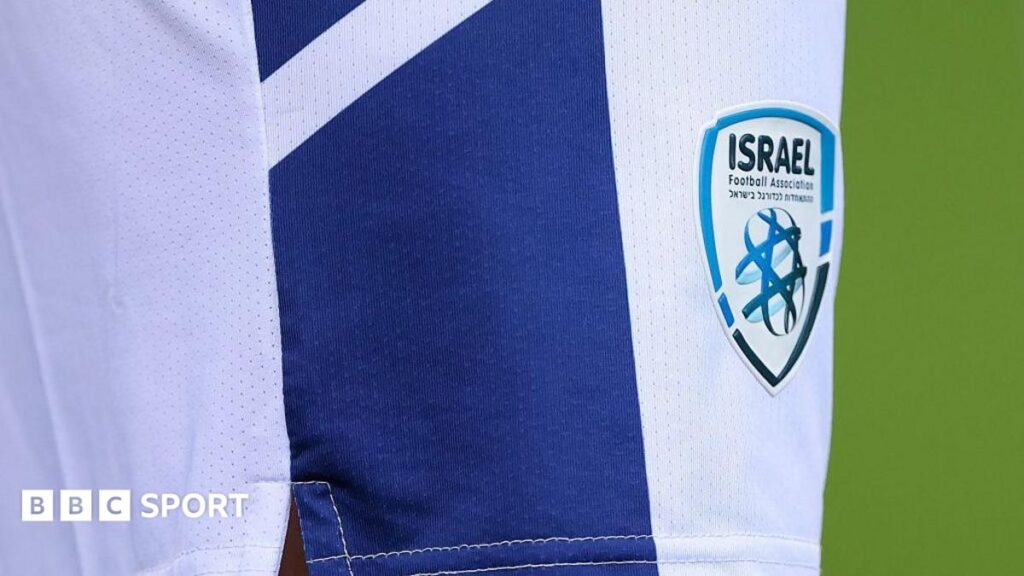
The Republic of Ireland and Israel have never faced each other in a competitive football match, but the 2026 World Cup qualifying fixture has become a flashpoint for decades‑old diplomatic friction. Ireland’s parliamentary debates over the Israeli‑Palestinian conflict and Israel’s concerns about security threats to visiting supporters have turned a routine qualifier into a diplomatic showdown.
Both governments have used the match to signal broader foreign‑policy positions. Dublin’s recent vote to recognise a Palestinian state, for example, was praised by pro‑Palestinian groups and condemned by Israeli officials, while Israel’s insistence on a neutral venue echoes its past demands for security guarantees in matches against countries with strong anti‑Israel sentiment.
The neutral‑venue decision and the ban on away fans
UEFA, after consulting both national associations, announced that the game would be played in a neutral stadium in Central Europe with no away supporters permitted. The governing body cited “security concerns” and the need to avoid “politically charged atmospheres”, a rationale that mirrors earlier decisions for matches involving Russia, Ukraine and Kosovo.
Logistically, the choice of a venue in Budapest means the Irish team will travel a similar distance as they would to Israel, but the absence of travelling fans strips the match of its usual atmosphere. The Irish Football Association (FAI) has warned that the ban could depress ticket revenue by up to 30 %, a hit that will be felt most by smaller clubs that rely on match‑day income sharing.
Sport as a proxy for geopolitics
The Ireland‑Israel clash illustrates a growing trend: international sport is increasingly used as a stage for diplomatic protest. Recent examples include the forced relocation of the 2025 Asian Cup matches involving Saudi Arabia and the boycott calls against Qatar’s 2022 World Cup legacy. Analysts at the International Centre for Sport Security argue that such interventions risk eroding the principle of sport as a neutral ground, potentially prompting FIFA to rewrite its statutes on political interference.
Critics say the neutral‑venue model could become a default solution, turning every politically sensitive fixture into a logistical nightmare. If UEFA continues to grant host‑nation requests for fan bans, the sport’s commercial model – built on passionate crowds and local revenue streams – could be fundamentally altered.
African parallels and the diaspora angle
African football federations have faced similar dilemmas. South Africa’s 2024 World Cup qualifier against Israel was moved to a neutral stadium after security alerts, and Nigeria’s 2023 friendly with Palestine was played behind closed doors due to diplomatic pressure. These precedents show that the Ireland‑Israel situation is part of a wider pattern affecting the continent’s football calendar.
For the Irish diaspora in Africa – particularly in Kenya, South Africa and Nigeria – the match matters because many expatriates follow the FAI’s campaigns closely. Community clubs in Nairobi and Lagos host watch‑parties that double as cultural gatherings, and the lack of travelling supporters means these diaspora hubs will become the primary venues for fan expression.
Official and fan reactions
The FAI issued a statement describing the venue decision as “disappointing but necessary”, urging fans to channel their passion through digital platforms. Meanwhile, the Israeli Football Association praised UEFA’s “pragmatic approach” and highlighted the need to protect players from potential protests.
Grass‑roots reactions have been more volatile. Irish supporter groups organized a virtual march on social media, while Israeli activists called for a boycott of the match unless it is played on neutral ground with equal fan access. Human rights NGOs, such as Amnesty International, have warned that limiting fan attendance could set a precedent for suppressing legitimate political expression at sporting events.
What lies ahead for qualifiers and fans
Looking forward, the outcome of the Ireland‑Israel tie could influence UEFA’s policy on neutral venues. If the match proceeds without incident, the governing body may feel justified in applying the same formula to future politically sensitive fixtures, potentially normalising fan bans.
For supporters, the key takeaway is the growing importance of digital mobilisation. Fan‑led streaming parties, coordinated hashtags, and crowdfunding for travel vouchers are emerging as alternative ways to maintain a sense of community when physical attendance is restricted. The long‑term health of international football may therefore depend less on stadium capacity and more on how well fans adapt to a politically fragmented landscape.
Quick Answers
Why was the Israel vs Republic of Ireland match moved to a neutral venue?
UEFA cited security concerns and the risk of politically charged protests, opting for a neutral stadium with no away fans to protect players and officials.
How will the fan ban affect the Irish Football Association’s revenue?
The FAI estimates a loss of up to 30 % in ticket revenue, which will impact smaller Irish clubs that share match‑day earnings.
Are other African teams facing similar venue changes?
Yes, South Africa’s 2024 qualifier against Israel and Nigeria’s 2023 friendly with Palestine were also moved to neutral venues or played without spectators due to diplomatic tensions.
Source: www.bbc.co.uk



💬 Comments 0