72‑Year‑Old British Woman Missing from Tui Cruise Ship in Atlantic, 2026 – What It Means for Travelers
The disappearance on the high seas
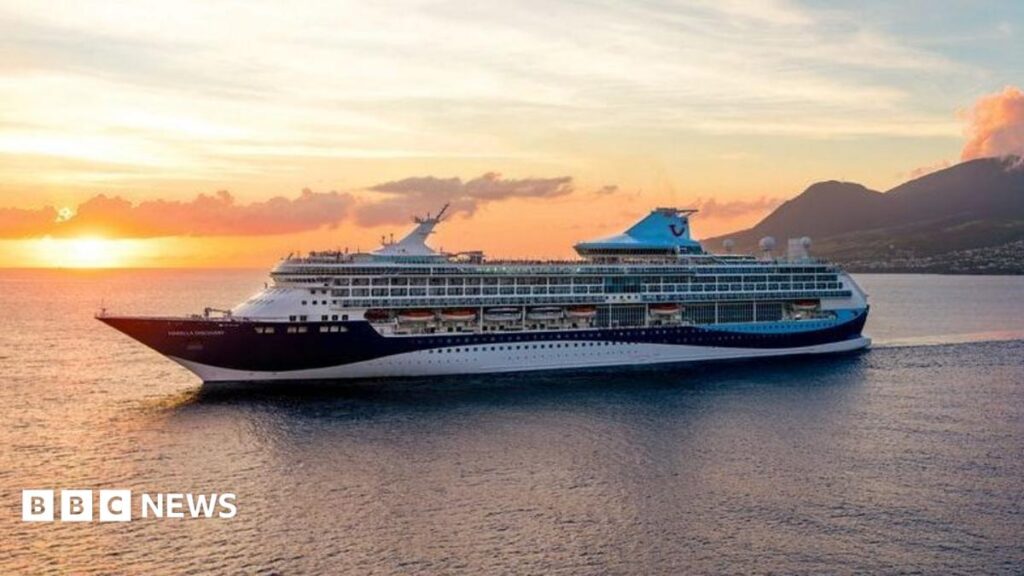
On Monday, a 72‑year‑old British tourist vanished from the Tui‑operated cruise liner as it sailed from the Atlantic toward the Caribbean. Crew members reported that she was last seen in a public lounge area before the ship entered international waters, and a formal missing‑person notice was filed later that day.
The vessel, which typically carries around 2,000 passengers on its Caribbean itineraries, continued its scheduled route while the ship’s security team launched an internal search. According to the cruise line’s spokesperson, the missing passenger’s cabin key was found on the deck, but no further clues have emerged. The incident has prompted the captain to alert maritime authorities in both the United Kingdom and the United States.
Cruise‑ship safety under scrutiny
Incidents of passengers disappearing at sea are rare but not unheard of; the International Maritime Organization recorded 12 similar cases worldwide over the past five years. Most investigations reveal a mix of accidental falls, medical emergencies, and, occasionally, foul play. The Tui case adds to a growing chorus of calls for stricter onboard monitoring, especially for older travelers who may be more vulnerable to health scares.
Industry analysts point out that modern cruise ships are equipped with sophisticated surveillance systems, yet gaps remain when it comes to real‑time passenger tracking in public spaces. After the incident, several consumer‑rights groups urged regulators to mandate wearable safety devices for passengers over 65, a proposal that has yet to gain legislative traction.
Why African travelers should take note
Africa’s middle‑class is increasingly turning to cruise holidays, with Nigerian and South African travelers accounting for a 23 % rise in bookings on Caribbean routes between 2023 and 2025, according to data from the African Tourism Board. Many of these passengers are senior citizens travelling with families, making the safety of older guests a direct concern for the diaspora community.
The Tui episode highlights a gap in how cruise operators communicate emergency procedures to non‑English‑speaking guests. In a recent survey, 38 % of African passengers said they felt “under‑informed” about safety briefings on board. If the industry does not address language barriers and age‑related vulnerabilities, the perception of risk could deter future bookings from a market that is projected to contribute $12 billion to global cruise revenue by 2028.
Regulatory and legal fallout
British authorities have opened a formal investigation under the Merchant Shipping Act, while the U.S. Coast Guard has offered assistance given the ship’s proximity to its territorial waters. Legal experts note that the cruise line could face civil claims if negligence is proven, especially if the missing passenger’s health records reveal pre‑existing conditions that were not adequately monitored.
In Europe, the European Maritime Safety Agency (EMSA) is reviewing its guidelines on passenger accountability after a series of high‑profile disappearances. Sources say EMSA may introduce a requirement for cruise operators to keep a digital log of passenger movements in public areas, a move that could reshape operational standards for ships that call at African ports such as Cape Town and Mombasa.
What’s next for families and the cruise industry
The family of the missing woman has been advised to work with both the British Consulate and the cruise line’s claims department. A spokesperson for the family, speaking on condition of anonymity, said they hope “a thorough, transparent investigation” will bring closure and prevent similar tragedies.
For the cruise sector, the incident arrives at a pivotal moment as companies vie for the burgeoning African market. Tui and its competitors are expected to roll out enhanced safety briefings, multilingual signage, and possibly pilot programs for wearable alert devices on upcoming voyages. How quickly these measures are implemented could determine whether the Atlantic disappearance becomes a turning point or a footnote in the industry’s growth story.
Quick Answers
What happened to the 72‑year‑old British woman on the Tui cruise ship?
She was last seen in a public lounge on a Monday as the ship headed toward the Caribbean, and after an internal search, she was reported missing with no further evidence found.
How could this incident affect African tourists on cruise ships?
The case raises safety concerns for older African travelers, prompting calls for better multilingual briefings and age‑specific monitoring that could influence future booking decisions.
What actions are authorities taking after the disappearance?
British officials have opened a Merchant Shipping Act investigation, and the U.S. Coast Guard is assisting; regulators may also tighten passenger‑tracking rules.
Source: www.bbc.co.uk




💬 Comments 0