Israeli strike on Gaza’s Nasser Hospital kills six, November 2026: implications for aid, law and Africa
Background: Gaza's health system on the brink
Since the escalation of hostilities in October 2023, Gaza’s already fragile health infrastructure has been pushed to the limit. Blockades, power cuts and repeated air strikes have reduced functional beds by more than half, according to the World Health Organization, leaving hospitals to operate on emergency generators and scarce supplies.
International NGOs, many of them African‑led or funded, have warned that the lack of medical capacity could turn routine injuries into fatal cases. The United Nations Relief and Works Agency (UNRWA) estimates that over 80% of Gaza’s population now relies on humanitarian health aid, a figure that has risen sharply after each wave of fighting.
The incident at Nasser Hospital: what happened
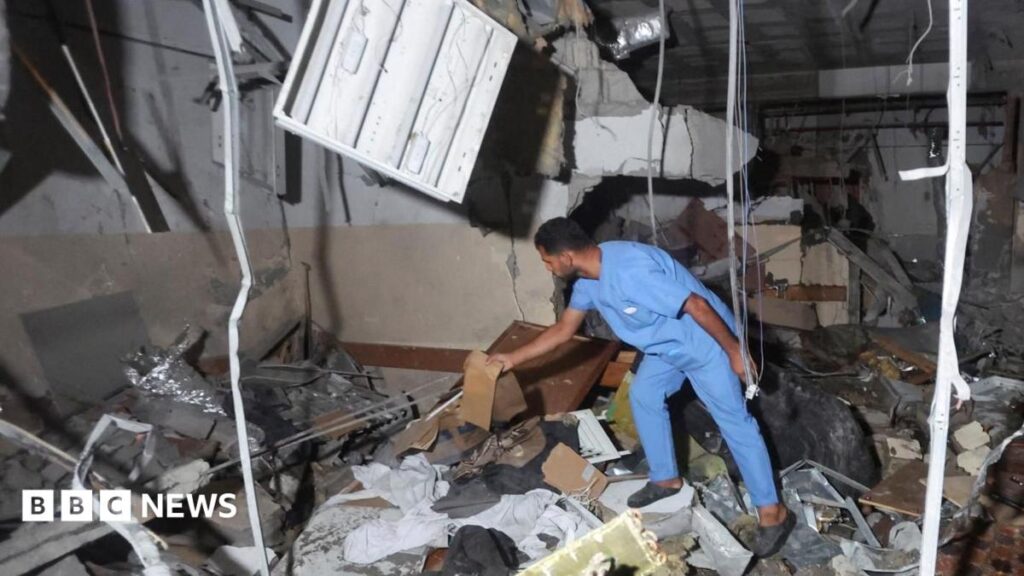
On 12 November 2026, witnesses reported a missile striking the surgical and intensive‑care wing of Nasser Hospital, the largest medical facility in southern Gaza. The health ministry confirmed six deaths, all of them patients receiving critical care, and dozens more injured.
The Israeli Defense Forces (IDF) said the target was a “terror‑related structure” and that they were investigating the incident. Human Rights Watch, however, cited satellite imagery and eyewitness accounts that suggest the strike hit a civilian medical building, a violation of international humanitarian law if confirmed.
Nasser Hospital, built in the early 2000s with support from several African donor countries, serves a catch‑area of over 500,000 Palestinians. Its loss of capacity will force patients to travel to the overcrowded Al‑Shifa Hospital in Gaza City, a journey that can take hours under curfew conditions.
Why the strike matters beyond the immediate casualties
The attack underscores a growing pattern of medical facilities becoming collateral damage in asymmetric warfare. Each strike erodes the principle of medical neutrality that underpins the Geneva Conventions, raising the risk that future attacks could be justified as “legitimate military targets”.
Economically, the damage threatens the flow of humanitarian cash and in‑kind aid that passes through hospital procurement channels. African NGOs such as Médecins Sans Frontières‑Africa and the African Medical and Research Foundation have already reported delays in receiving pharmaceuticals earmarked for Gaza, a setback that could ripple into other crisis zones they operate in.
Politically, the incident fuels diplomatic friction. Several African Union (AU) member states, including South Africa and Kenya, have called for an independent inquiry, aligning with a broader African push for accountability in the Israel‑Palestine conflict.
African and diaspora perspectives: aid, advocacy and anger
African governments have long been vocal about the plight of Palestinians, often framing it as a decolonisation issue. The latest strike has reignited protests in Lagos, Johannesburg and Nairobi, where diaspora groups organized candlelight vigils and demanded that their foreign ministries press for a UN‑mandated ceasefire.
On the ground, African‑run NGOs in Gaza are scrambling to relocate patients and staff. According to a spokesperson for the African Union’s Humanitarian Affairs Division, “our partners in Gaza are now looking for alternative treatment sites, many of which are already operating beyond capacity.” The strain could force some NGOs to divert resources from other African emergencies, such as the Sahel drought, to cover the urgent needs in Gaza.
The incident also impacts African investors in the region. Companies from Egypt, Ethiopia and Morocco that have joint ventures in Gaza’s reconstruction sector are now facing heightened risk assessments, potentially slowing future reconstruction contracts that were slated for 2027.
What could come next: legal, diplomatic and on‑the‑ground steps
International legal experts suggest that the strike could trigger investigations by the International Criminal Court (ICC), especially if evidence confirms that a protected medical facility was deliberately targeted. A panel of lawyers from the African Centre for International Law has already filed a request for a fact‑finding mission, citing the hospital’s status under the Fourth Geneva Convention.
Diplomatically, the African Union is expected to table a resolution at its next summit in Addis Ababa, urging the UN Security Council to adopt a binding ceasefire resolution. If passed, the move could shift the balance of negotiations, given the AU’s growing influence in multilateral forums.
For humanitarian actors, the immediate priority is to restore critical care capacity. Mobile ICU units, some donated by Nigeria’s Ministry of Health, are being pre‑positioned at alternative sites. Meanwhile, diaspora fundraising campaigns have raised over $12 million in the past week, earmarked for emergency medical supplies and the reconstruction of the damaged wing.
Quick Answers
How many people were killed in the Nasser Hospital strike on 12 November 2026?
Six patients died when a missile hit the surgical and intensive‑care wing of Nasser Hospital, according to Gaza’s health ministry.
Why is Nasser Hospital significant in Gaza’s health system?
It is the largest hospital in southern Gaza, serving more than half a million residents and handling the majority of surgeries and critical‑care cases in the region.
How are African countries responding to the Gaza hospital strike?
Several African nations and the African Union have called for an independent investigation, while African NGOs are mobilising emergency medical aid and diaspora groups are organising protests and fundraisers.
Source: www.bbc.co.uk




💬 Comments 0