9/11 25th anniversary: Khalid Sheikh Mohammed trial delay sparks justice debate and echoes in US Africa policy
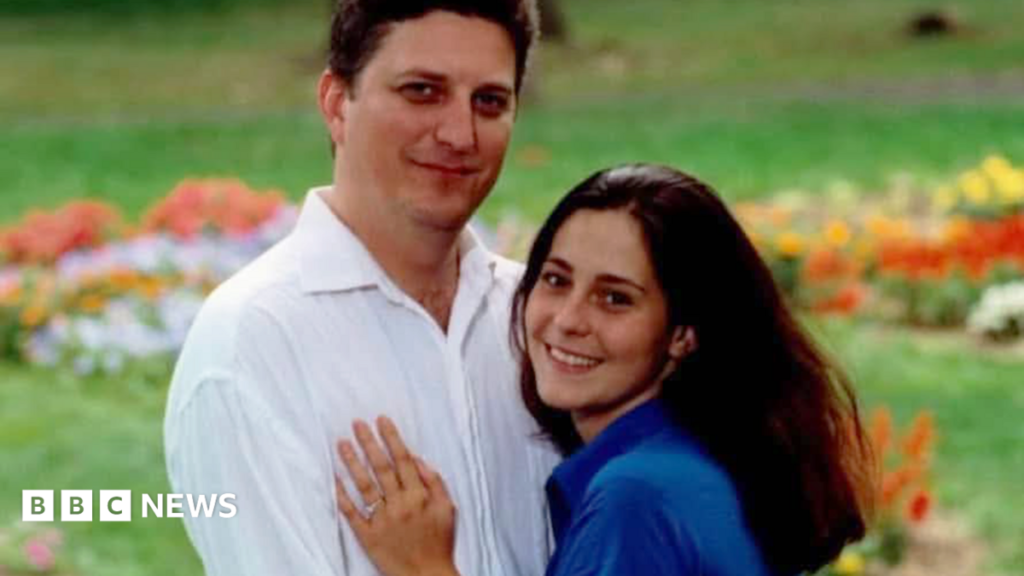
A grief that refuses to fade
More than two decades after the planes struck the World Trade Center and the Pentagon, the families of the 2,977 victims still carry the weight of loss every September. For many, the anniversary is a reminder not only of the day’s horror but of the years of unanswered questions that have followed. Survivors and relatives say the absence of a definitive courtroom reckoning keeps the trauma alive, turning remembrance into a lingering legal battle.
In New York’s “Reflecting Absence” memorial, a group of widows gathered this week to light candles and share stories of their loved ones. "We keep asking why it took so long to bring the mastermind to trial," said Maria Torres, whose husband died on Flight 93. "Every year we hope for closure, but the courts keep moving the goalposts." Their sentiment mirrors a broader sentiment among bereaved families worldwide, who feel that justice delayed is justice denied.
Why the trial of Khalid Sheikh Mohammed stalls
Khalid Sheikh Mohammed, the alleged architect of the 9/11 attacks, has been confined at the Guantanamo Bay detention camp since 2006. A military commission was scheduled to try him in 2023, but the process has been repeatedly postponed due to legal challenges, security concerns, and political wrangling in Washington. According to a recent statement from the Department of Defense, the latest delay stems from "unresolved pre‑trial motions and the need to ensure a fair trial environment," a phrase that has drawn criticism from victims’ advocates.
Legal experts point out that the military commission system itself is under scrutiny. A 2024 report by the Government Accountability Office highlighted procedural flaws that could jeopardise any conviction, including issues around evidence obtained under torture and the lack of a neutral jury. "The system was built in a rush after 9/11, and it has never been updated to meet modern due‑process standards," said constitutional law professor Aisha Patel of Georgetown University. This legal quagmire fuels the perception that the trial is more political theater than a genuine pursuit of accountability.
From New York to the Sahel: 9/11’s lingering impact on US Africa policy
The 9/11 attacks reshaped American foreign policy, prompting a global war on terror that extended far beyond the Middle East. In Africa, the ripple effect is evident in the expansion of US counter‑terrorism programs across the Sahel, Horn of Africa, and the Great Lakes region. The Africa Command (AFRICOM), established in 2007, cites the need to prevent the spread of extremist ideology that first exploded on American soil as a core mission.
Critics argue that the focus on security has sometimes eclipsed development goals. A 2023 study by the African Development Bank noted that US drone operations in Mali and Niger, justified as part of the post‑9/11 security framework, have led to civilian casualties and strained diplomatic ties. "The legacy of 9/11 is not just a courtroom delay; it’s a policy cascade that shapes how African nations negotiate aid, military assistance, and sovereignty," said journalist Kwame Mensah of the Nairobi‑based *Daily Nation*.
Public debate: balancing justice, security and memory
The stalled trial has reignited a national conversation about how the United States balances the desire for retributive justice with the imperatives of national security. Civil‑rights groups, such as the ACLU, argue that prolonged detention without trial undermines the rule of law, while some former officials maintain that a swift trial could expose classified intelligence methods, risking further security breaches.
For African‑American communities, the debate carries additional resonance. Many see the 9/11 narrative as part of a broader pattern where minority voices are sidelined in the pursuit of national security. A panel hosted by the National Association for the Advancement of Colored People (NAACP) in Detroit linked the delayed trial to historic grievances over unchecked government power, urging a transparent process that respects both victims and constitutional rights.
What’s next? Possible scenarios and their global ripple effects
Analysts outline three plausible paths for the Khalid Sheikh Mohammed case. The first is a resumed military commission that proceeds after a comprehensive overhaul of evidentiary rules, potentially delivering a conviction but risking further appeals. The second scenario envisions a civilian federal trial, which would require transferring the detainee from Guantanamo—a move that could set a precedent for handling other high‑profile terrorism suspects. The third, more controversial, outcome is a negotiated settlement that might involve a plea bargain or even a release, a prospect that would likely spark outrage among victims’ families and could destabilise the fragile balance of US‑Africa security cooperation.
Regardless of the route taken, the decision will send a signal to both allies and adversaries about America’s commitment to the rule of law. In Africa, a clear resolution could either reinforce confidence in US partnerships or, if perceived as a miscarriage of justice, fuel anti‑American sentiment that extremist groups could exploit. As the 25th anniversary approaches, the world watches not just a remembrance ceremony, but a pivotal moment that could reshape legal norms and foreign‑policy calculations for years to come.
Quick Answers
What is the current status of Khalid Sheikh Mohammed's trial?
As of September 2026, the military commission to try him has been repeatedly postponed, with no new trial date set.
Why has the 9/11 mastermind's trial been delayed for so long?
Delays stem from legal challenges over evidence, procedural flaws in the military commission system, and security concerns about exposing classified information.
How does the 9/11 anniversary affect US policy in Africa?
The post‑9/11 security framework underpins US counter‑terrorism operations in the Sahel and Horn of Africa, influencing aid, military cooperation, and local perceptions of American involvement.
Source: www.bbc.co.uk



💬 Comments 0