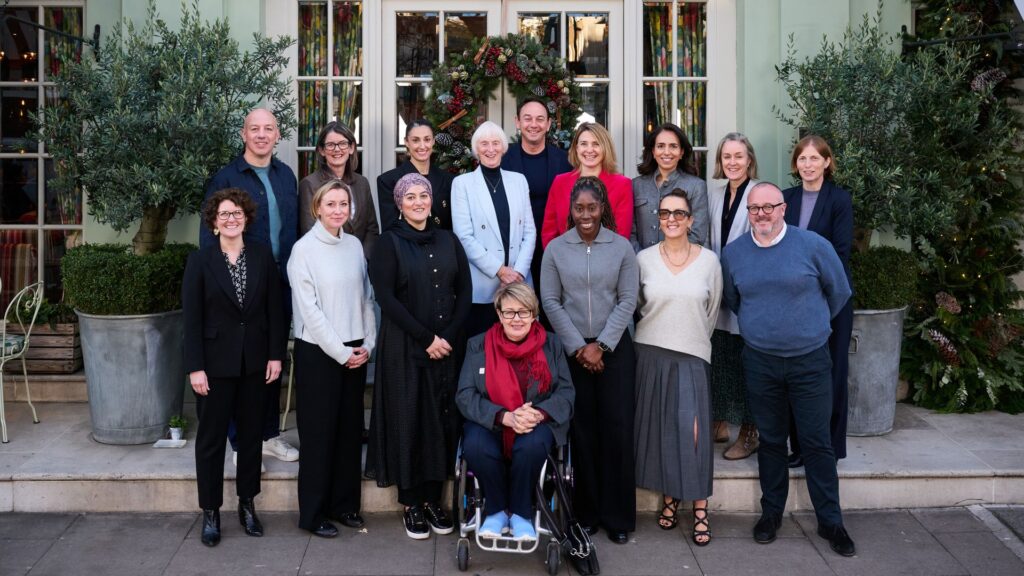
Sky launches Game Changing coalition to boost women and girls sport participation in UK 2026
Why gender equity in sport remains a pressing issue
Despite steady progress, women and girls in the United Kingdom still face a significant participation gap in sport. Recent data from Sport England show that only 38% of girls aged 11‑15 engage in regular physical activity compared with 55% of boys, a disparity that widens as they move into adulthood. The shortfall is not just a health concern; it also limits leadership pipelines, sponsorship opportunities and the visibility of female role models in the public sphere.
The UK government and national governing bodies have rolled out several programmes over the past decade, from the Women’s Sport Strategy (2020‑2025) to community‑level grants aimed at grassroots clubs. Yet many of these initiatives suffer from fragmented funding and limited coordination, leading to duplication of effort and uneven impact across regions. Critics argue that without a unifying framework, progress will remain incremental rather than transformative.
In this context, Sky’s announcement of the Game Changing coalition arrives at a crucial moment. By positioning itself as a catalyst that can bridge public, private and civil‑society actors, the broadcaster hopes to accelerate the pace of change and address structural barriers that have persisted for decades.
What the Game Changing coalition actually is
The coalition brings together more than 30 partners, including national sports federations, NGOs such as Women’s Sport Trust, and corporate sponsors ranging from apparel brands to tech firms. Sky has pledged £15 million over the next five years, earmarked for community programmes, talent pathways and a digital platform that will map local opportunities for girls across the UK. The initiative will be overseen by a steering board chaired by former England women’s football captain Steph Houghton.
According to Sky’s press release, the coalition’s first phase will focus on three pillars: increasing grassroots participation, building high‑performance pipelines for elite talent, and reshaping media narratives to give women athletes more visibility. A dedicated research hub will track metrics such as registration numbers, retention rates and the socioeconomic diversity of participants, ensuring that impact is measured against clear benchmarks.
The partnership also includes a mentorship scheme linking young athletes with senior professionals from sport, broadcasting and business. This is designed to address the “pipeline problem” where promising girls often lose interest after adolescence due to a lack of role models and career guidance.
Why the coalition matters beyond the playing field
Increasing participation among women and girls has measurable health benefits, from reduced obesity rates to improved mental wellbeing. The British Medical Association estimates that each additional hour of weekly sport activity can cut the risk of cardiovascular disease by 7%. By expanding access, the coalition could therefore generate long‑term savings for the NHS, a point highlighted by health economist Dr. Aisha Malik in an interview with the BBC.
Economic arguments are also strong. A 2023 report by Deloitte projected that closing the gender participation gap could add £4 billion to the UK’s sports economy by 2030, driven by higher ticket sales, merchandise and sponsorships. The coalition’s focus on media representation is expected to create new advertising inventory for brands eager to reach female audiences, thereby reinforcing a virtuous cycle of investment.
Socially, the initiative reinforces the narrative that sport can be a vehicle for empowerment and community cohesion. In deprived neighbourhoods, organized sport often serves as a safe space that diverts youth from anti‑social behaviour. By targeting under‑represented groups, the coalition could help narrow broader inequality gaps that intersect with gender, ethnicity and income.
Connecting the UK push to African and diaspora sport development
While the coalition is UK‑centric, its ripple effects are likely to be felt among African diaspora communities in cities such as London, Birmingham and Manchester. A growing number of British‑born athletes of African heritage—like sprinter Nethaneel Mitchell and footballer Lauren James—have spoken about the lack of culturally sensitive pathways that recognise the unique challenges faced by Black girls in sport. The coalition’s mentorship component explicitly invites mentors from diverse backgrounds, a move that could inspire similar programmes in African nations.
Across the continent, several governments have launched gender‑focused sport strategies, yet funding gaps persist. The coalition’s digital platform, which will catalogue local clubs, coaching courses and scholarship opportunities, could be adapted for use in African countries through partnerships with organisations like the African Union Sports Council. Such cross‑border knowledge sharing would align with the broader trend of South‑South collaboration in sport development.
Diaspora NGOs, notably the Nigerian‑British Sports Association, have already expressed interest in leveraging the coalition’s research hub to benchmark participation among Nigerian‑heritage girls in the UK. If successful, these data could inform policy discussions back home, where the Nigerian Ministry of Youth and Sports is drafting a “Women in Sport” action plan for 2027.
Reactions from stakeholders and early criticism
Initial responses have been largely positive. Former Olympic champion Dame Kelly Holmes praised Sky for “using its platform to put women’s sport at the centre of the conversation,” while the Women’s Sport Trust called the coalition “a bold step toward systemic change.” Grassroots clubs in Manchester reported a surge in inquiries after the announcement, suggesting immediate community interest.
However, some critics caution against over‑reliance on corporate funding. A spokesperson for the Campaign for Female Participation in Sport argued that “private money can be fickle; sustainable progress requires statutory commitment and public budgeting.” Others worry that the coalition’s focus on elite pathways might divert resources away from the very grassroots programmes that need the most support.
In response, Sky’s chief executive, Carolyn McCall, reiterated that the £15 million pledge is “locked in for five years” and that the coalition’s governance model includes independent oversight to prevent mission drift. She also highlighted a clause that any surplus will be reinvested into community projects, addressing concerns about long‑term accountability.
What comes next and how impact will be measured
The coalition’s roadmap outlines a launch event in early 2027, followed by regional pilots in the North West, South East and West Midlands. Each pilot will run a 12‑month program that combines school‑based sport sessions, coach education and a media campaign featuring local female athletes. The research hub will publish quarterly dashboards, allowing NGOs, policymakers and the public to track progress in real time.
Success will be judged against three core metrics: a 10% rise in girls’ sport registration by 2029, an increase in the proportion of women in coaching and officiating roles to 30% by 2030, and a measurable uplift in media coverage of women’s sport (measured by broadcast minutes and online impressions). These targets align with the UK’s broader gender equality agenda and provide a template that other nations could emulate.
If the coalition meets its benchmarks, it could set a precedent for how media conglomerates partner with civil society to drive social change. More importantly for African readers, the model offers a blueprint for leveraging diaspora influence to boost sport participation back home, potentially unlocking talent pipelines that have historically been under‑utilised.
Quick Answers
What is the main goal of Sky's Game Changing coalition?
The coalition aims to increase participation of women and girls in sport across the UK by funding grassroots programmes, creating talent pathways and improving media visibility.
How much funding has Sky committed to the coalition?
Sky has pledged £15 million over five years to support the coalition’s initiatives.
Will the coalition affect African diaspora communities in the UK?
Yes, the coalition’s mentorship and data‑sharing components are designed to include diverse role models, which can benefit African‑heritage girls and inform sport development projects in African countries.
Source: www.skysports.com




💬 Comments 0