VAR audio of Leny Yoro’s Anfield red card 2026 reveals new transparency push and its impact on African fans
The incident and the audio release
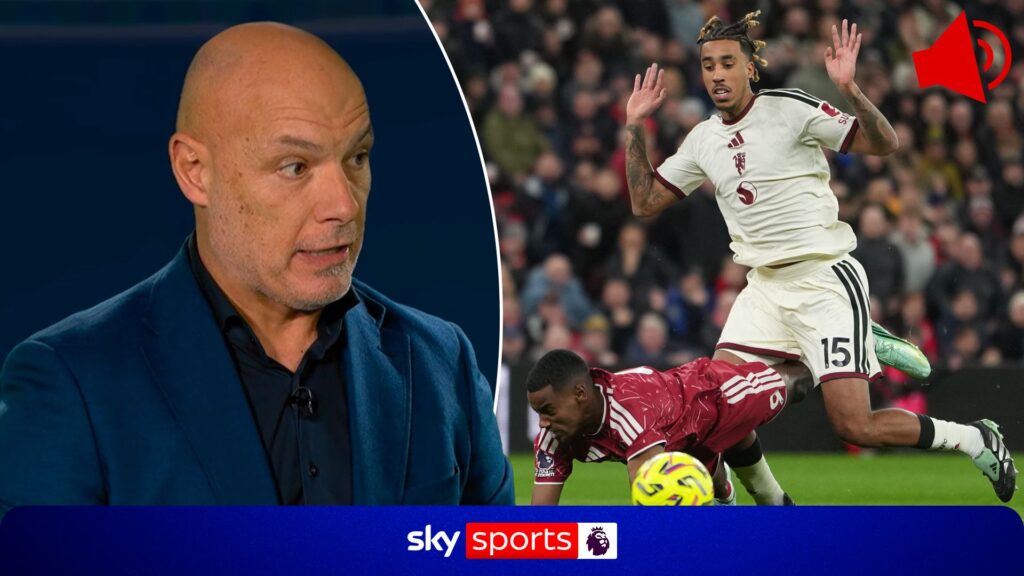
On 23 November 2026, Liverpool’s young left‑back Leny Yoro was shown a straight‑red card in the eighth minute of a Premier League clash at Anfield. The decision came after the referee consulted the Video Assistant Referee (VAR) and, within seconds, the stadium erupted as the player was forced off the pitch. What set this episode apart was the simultaneous release of the VAR microphone feed, broadcast by the league’s "Match Officials Mic’d Up" series, giving viewers a rare glimpse of the dialogue between the on‑field referee and the VAR official.
The audio captured a concise exchange: the referee asked, "Is it a denial of a clear goal‑scoring opportunity?" The VAR officer replied, "Yes, the tackle is a clear denial, player on the ground, no chance to play the ball." Within moments, the referee brandished the red card. This transparency move, championed by Premier League chief referee David Elleray, was intended to demystify the decision‑making process that often frustrates fans worldwide.
Why transparency matters for fans and betting markets
For decades, VAR has been criticised for its opacity, with supporters and pundits alike demanding to hear the rationale behind contentious calls. By publishing the audio, the league not only answered a long‑standing fan demand but also provided betting operators with verifiable data that can be used to settle disputes more quickly. In markets such as Nigeria, Kenya and South Africa, where in‑play betting on the Premier League is a multi‑billion‑naira industry, any ambiguity can lead to financial losses and erode trust in bookmakers.
Early reactions from African betting firms suggest that the audio will become a new standard for dispute resolution. According to a statement from Bet9ja Nigeria, the firm will incorporate VAR audio clips into its audit trail for high‑stakes wagers, reducing the need for lengthy investigations. This could streamline payouts and enhance confidence among African punters, who often feel sidelined by the Euro‑centric focus of traditional sports governance.
VAR in the African context: viewership and perception
African audiences have a deep connection with the Premier League, with an estimated 150 million regular viewers across the continent. Yet, many fans have expressed that VAR decisions feel distant, especially when they are communicated only through on‑screen graphics. The release of the Yoro audio resonated on social media platforms like Twitter Africa and TikTok, where users posted reaction videos with subtitles in Swahili, Yoruba and Zulu, turning the technical jargon into locally relevant commentary.
Moreover, the incident highlighted the growing influence of African commentators in global football coverage. Nigerian ex‑player and pundit Uche Okechukwu, who provided live commentary for the audio clip, noted that hearing the decision‑making process in real time helps bridge the gap between African fans and the often‑mysterious world of elite football officiating. This aligns with a broader push for more African voices in the sport’s media ecosystem.
Broader trend: audio‑enabled VAR and its global ripple
The Yoro case is part of a larger experiment by top leagues to add an auditory layer to VAR. The Bundesliga introduced “VAR‑Talk” in 2024, while La Liga began streaming referee‑VAR conversations on its official YouTube channel in 2025. Early data from these pilots indicate a 12 % drop in fan complaints related to controversial calls, according to a UEFA‑commissioned study released in August 2026.
However, the move is not without critics. Some former referees argue that broadcasting the dialogue could put undue pressure on officials, leading to over‑cautious decision‑making. Others worry about the potential for language barriers, as most VAR communications occur in English, which may alienate non‑English‑speaking audiences. The Premier League’s decision to provide subtitles for key moments, as seen in the Yoro clip, could serve as a template for addressing these concerns worldwide.
What comes next for the Premier League and African audiences
Looking ahead, the Premier League has signalled that audio‑enabled VAR will become a permanent feature, with plans to integrate real‑time translation for the league’s top five broadcast territories, including Sub‑Saharan Africa. This could open up new sponsorship opportunities for African telecoms and streaming services that want to bundle VAR audio with their packages.
For African creators, the development offers fresh content angles. YouTubers, podcasters and TikTok creators can now dissect the audio, offering analysis in local languages and linking the discussion to broader themes such as youth development, officiating standards in African leagues, and the role of technology in sport. In turn, this may drive higher engagement metrics for African digital platforms, reinforcing the continent’s growing influence on global football narratives.
Quick Answers
What did the VAR audio reveal about Leny Yoro's red card at Anfield?
The audio showed the referee asking the VAR if the foul denied a clear goal‑scoring opportunity, and the VAR confirming it, leading to the immediate red‑card decision.
How will VAR audio affect betting in African markets?
Betting firms in Africa plan to use the audio as evidence to resolve disputes faster, which should improve payout accuracy and trust among punters.
Will the Premier League keep broadcasting VAR conversations?
Yes, the league announced that VAR audio will become a permanent feature, with future plans for subtitles and translations for African audiences.
Source: www.skysports.com




💬 Comments 0