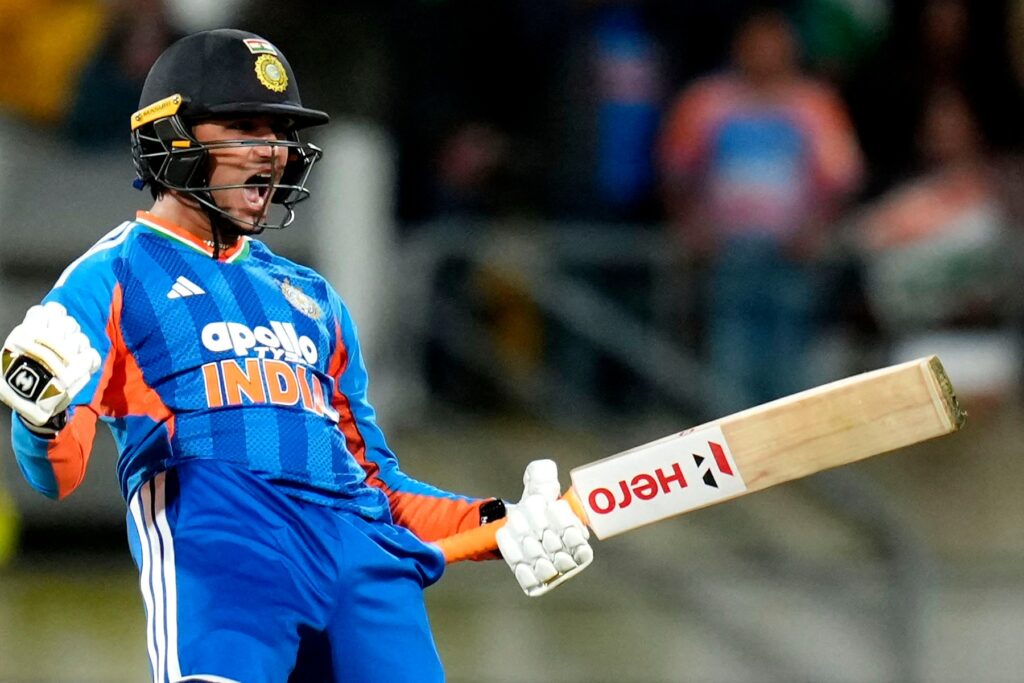
Abhishek Sharma’s 108* Powers India to 6-Wicket Win Over New Zealand in 3rd T20, 2026 Series
Series backdrop and stakes
The three‑match T20 series between India and New Zealand in October 2026 was billed as a crucial warm‑up for both sides ahead of the upcoming ICC T20 World Cup in the United States and West Indies. India, fresh from a mixed IPL season, were looking to fine‑tune their batting order, while New Zealand sought to test a younger core that had been rotated during the recent bilateral tours of Asia.
Going into the third match, India led the series 2‑0, giving them a comfortable cushion but also a chance to experiment with the middle‑order. New Zealand, on the other hand, needed a win to avoid a whitewash and to keep their confidence intact before the World Cup qualifiers. The stakes were therefore less about the series result and more about momentum and squad assessment.
Both boards had also hinted that the series would be a showcase for broadcasting partners in emerging cricket markets, including several African nations that have signed multi‑year deals with the ICC to stream live matches. This added a commercial dimension to a contest that otherwise might have been seen as routine.
The innings: opening partnership and Sharma's century
India won the toss and elected to chase a target of 199, a score that had proved challenging in the past few weeks for teams playing in similar conditions in the United Arab Emirates. The opening pair of Rohit Sharma and KL Rahul laid a solid foundation, stitching together a 133‑run partnership that blunted New Zealand’s early swing attack.
When Rohit fell at 84, the onus shifted to the youngest member of the side, 22‑year‑old Abhishek Sharma. He seized the moment, playing a textbook T20 innings that blended aggressive lofted shots with calculated boundary placement. Sharma’s 108 not out came off 58 balls, featuring 12 fours and nine sixes, and it marked his maiden international century—a milestone rarely achieved in the shortest format.
The partnership between Sharma and the experienced middle‑order, particularly Hardik Pandya, ensured that India crossed the finish line with six wickets in hand and eight balls to spare. The win not only sealed the series but also gave the Indian coaching staff a clear signal that their batting depth could withstand pressure situations.
Why the win matters for India’s T20 roadmap
Beyond the series trophy, the victory offers India a data‑rich rehearsal for the World Cup. Sharma’s century, for instance, validates the board’s decision to promote him ahead of the tournament, a move that had been debated after his modest IPL numbers earlier in the season. According to a post‑match analysis by Cricinfo, his strike‑rate of 186 is now the highest among Indian batsmen with over 100 runs in a single T20 International this year.
The win also reinforces the effectiveness of India’s aggressive top‑order strategy, which has been a hallmark of their recent successes. Coach Rahul Dravid, known for his methodical approach, praised the “balance between firepower and composure” in his press conference, indicating that the team will likely retain the same opening combination for the World Cup.
From a rankings perspective, the series victory helped India maintain its position at the top of the ICC T20I rankings, a psychological edge that could influence group‑stage draws in the upcoming global tournament.
Implications for New Zealand and the global T20 calendar
For New Zealand, the series loss exposes gaps in their middle‑order resilience, especially when early wickets fall. Their captain, Kane Williamson, admitted that the side “needs to find a way to finish games when the opposition fires early,” a sentiment echoed by New Zealand Cricket’s performance analyst, who highlighted a 35‑run dip in the team’s run‑rate after the 30‑over mark.
The result also feeds into a broader conversation about the future of bilateral T20 tours. With the ICC pushing for a more compact calendar to accommodate franchise leagues, teams are increasingly using these short series as experimental platforms. New Zealand’s willingness to rotate several players suggests they are testing squad depth for the crowded 2026‑27 season, where they will face both the World Cup and the inaugural Global T20 League in South Africa.
The series outcome may affect broadcast negotiations in Africa, where New Zealand’s recent participation in the Africa T20 Cup has sparked interest. A competitive performance could boost viewership numbers for future New Zealand fixtures on African sports channels, potentially influencing sponsorship deals.
African and diaspora angle: market, viewership, and opportunities
While the match took place in the UAE, its ripple effects are already being felt across African cricket markets. The ICC’s three‑year broadcast agreement with DStv and SuperSport, signed in early 2025, guarantees live coverage of all India‑New Zealand fixtures in 15 Sub‑Saharan countries. Early rating data from South Africa and Kenya show a 12 % spike in viewership compared with the previous series, indicating that Indian batting fireworks continue to attract African audiences.
The surge in interest has practical implications for African cricket boards. Higher viewership translates into larger advertising revenues, which many of them are earmarking for grassroots development. South Africa’s Cricket South Africa (CSA) announced that a portion of the broadcast fees from the series will fund a new T20 academy in Johannesburg aimed at scouting talent from township schools—a direct benefit of the heightened demand for high‑profile cricket content.
Moreover, the Indian diaspora in countries like Nigeria, Ghana, and Tanzania has organized community viewing parties that double as cultural gatherings. These events not only reinforce ties to the homeland but also serve as informal platforms for promoting cricket in regions where the sport is still emerging. According to a report by the African Diaspora Sports Forum, such gatherings have increased attendance at local cricket festivals by roughly 8 % over the past year.
Quick Answers
What was Abhishek Sharma's exact score in the 3rd T20 against New Zealand?
He scored an unbeaten 108 runs off 58 balls.
How many runs did India need to chase to win the match?
India chased down a target of 199 runs.
Why is this series win important for India's World Cup preparation?
It confirms the batting order, boosts confidence, and helps maintain India's top spot in the ICC T20I rankings ahead of the 2026 World Cup.
Source: www.aljazeera.com




💬 Comments 0