UK sanctions Myanmar’s Min Aung Hlaing and senior generals after 2026 ICJ genocide ruling
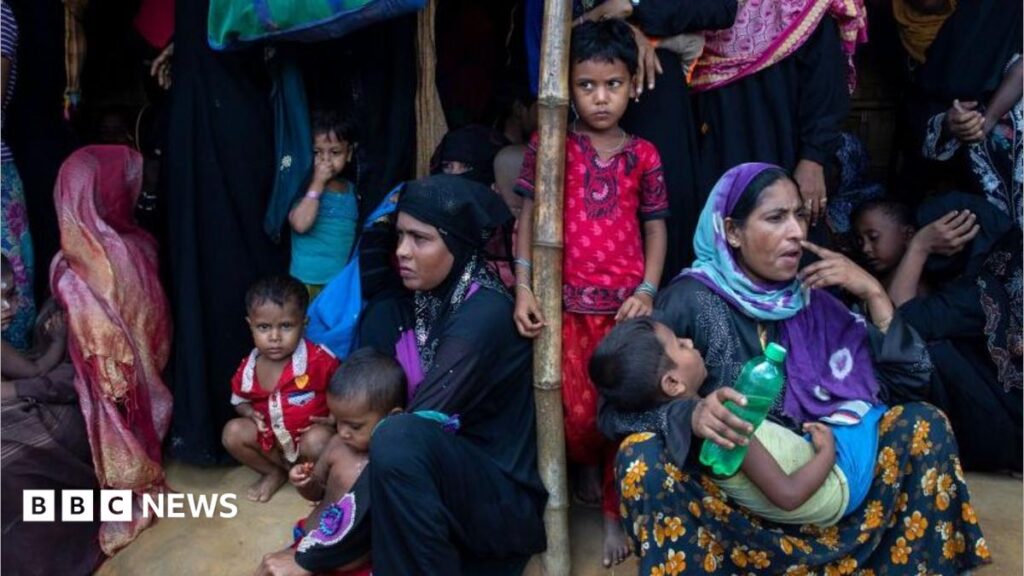
Background: The ICJ ruling and its global resonance
On 15 November 2026 the International Court of Justice (ICJ) issued a landmark judgment that Myanmar’s military, the Tatmadaw, bears responsibility for acts of genocide against the Rohingya population. The court ordered immediate measures to prevent further atrocities, including the preservation of evidence and the protection of displaced Rohingya. While the ruling does not impose direct penalties, it obliges UN member states to act in accordance with international law.
The decision follows a decade‑long campaign by human‑rights groups, the United Nations, and Rohingya advocacy networks that have documented mass killings, forced displacement and systematic sexual violence in Rakhine State. Earlier, the International Criminal Court (ICC) opened a preliminary examination, but the ICJ ruling is the first formal legal acknowledgment of genocide in Myanmar.
What the UK did: Sanctions on the military elite
Within days of the ICJ judgment, the United Kingdom announced a package of targeted sanctions against six senior members of the Tatmadaw, including Commander‑in‑Chief Min Aung Hlaing, his deputy Soe Win, and the heads of the army, navy and air force. The measures freeze any UK‑based assets, ban travel to the UK, and prohibit UK companies from doing business with entities linked to the sanctioned individuals.
The UK said the sanctions are “a concrete response to the court’s finding of genocide” and are intended to pressure the military to halt ongoing operations in Rakhine and to open the door for a credible political transition. The move aligns the UK with the United States, Canada and the European Union, all of which have announced similar restrictions in the past month.
Why it matters: From legal symbolism to economic leverage
Legal rulings alone rarely change behavior on the ground; it is the economic and diplomatic tools that follow that can alter a regime’s calculations. By targeting personal assets and travel, the UK aims to create a cost‑benefit analysis for the Tatmadaw leadership that outweighs the benefits of continuing the campaign against the Rohingya.
Sanctions also send a signal to other authoritarian regimes that the international community is willing to translate judicial findings into material consequences. This could influence the calculus of military elites in Sudan, Ethiopia’s Tigray region, or the Democratic Republic of Congo, where accusations of mass atrocities have similarly hovered without decisive punitive action.
African connections: Trade, diaspora activism and diplomatic nuance
Myanmar is a major supplier of rubies and jade, commodities that flow into African markets, especially in Tanzania, Kenya and South Africa’s gemstone trade. African importers have historically relied on Myanmar’s low‑cost stones to fuel their local industries. The UK sanctions raise the risk that banks and logistics firms with ties to the UK will scrutinise shipments linked to the sanctioned generals, potentially disrupting the supply chain that African jewelers depend on.
The Rohingya diaspora is sizable in the United Kingdom, Canada and the United States, but there is also a growing Rohingya community in South Africa’s Gauteng province. Their advocacy groups have partnered with African human‑rights NGOs to call for broader African Union (AU) support for the ICJ ruling. While the AU has traditionally been cautious about endorsing sanctions that could be seen as Western‑driven, several member states, including Nigeria and Kenya, have publicly welcomed the UK’s decisive step, citing the need for “consistent accountability for genocide wherever it occurs.”
Reactions and the road ahead: Diplomacy, enforcement and possible fallout
Myanmar’s military government dismissed the UK sanctions as “politically motivated interference” and warned that any further punitive measures would force it to deepen ties with non‑Western partners such as China and Russia. In a televised address, Min Aung Hlaing claimed the sanctions would have “no impact on our resolve to protect national sovereignty.”
Human‑rights organisations, including Amnesty International and Human Rights Watch, hailed the UK move as a “critical step toward accountability,” but warned that sanctions must be paired with robust enforcement mechanisms. They urged the UK to expand the list to include companies that provide the Tatmadaw with military equipment, a demand the UK government said it is reviewing.
The next phase will likely involve coordination among the G7, the EU and ASEAN members to ensure that the sanctions are not circumvented through third‑party jurisdictions. Experts say that if the UK can demonstrate that the sanctions lead to tangible concessions—such as the release of detained Rohingya leaders or the opening of safe corridors for return—other nations may follow suit, creating a multilateral pressure cooker that could finally shift the Tatmadaw’s strategy.
Quick Answers
Which Myanmar military officials were sanctioned by the UK in 2026?
The UK sanctioned Commander‑in‑Chief Min Aung Hlaing, Deputy Commander Soe Win, and the heads of the army, navy and air force.
How could the UK sanctions affect African gemstone traders?
The sanctions may trigger heightened financial scrutiny of Myanmar‑origin rubies and jade, potentially disrupting supply chains that African jewelers rely on.
What does the ICJ ruling require from UN member states?
The ICJ ordered member states to take all necessary measures to prevent further genocide, protect the Rohingya, and preserve evidence of the crimes.
Source: www.bbc.co.uk



💬 Comments 0