Airlink defends low‑altitude aerial stunt over Johannesburg’s FNB Stadium, 2026: safety, branding and regulatory fallout
Background: the stunt and its setting
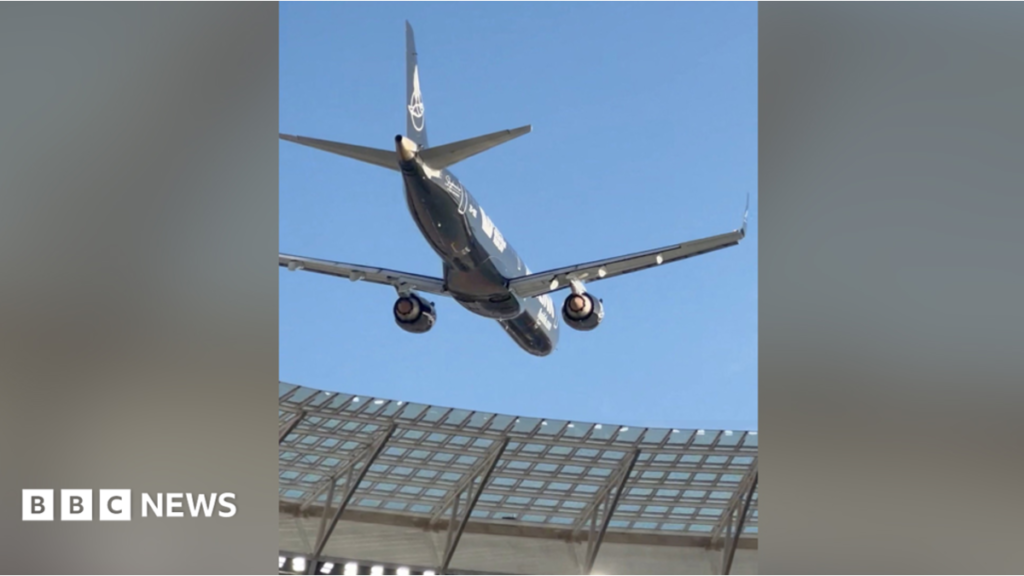
On 28 August 2026, Airlink, a regional carrier based in Johannesburg, flew two ATR‑72 turboprops in a tightly‑coordinated, low‑altitude formation over FNB Stadium during a sold‑out football match. The aircraft skimmed the stadium’s roof at roughly 150 metres, a maneuver that drew gasps from spectators and immediate media attention across the continent.
The performance was part of a broader promotional campaign for Airlink’s new “SkyPulse” loyalty programme, which promises extra miles for customers who book flights to major South African sporting events. The airline partnered with the stadium’s management and the Premier Soccer League to time the fly‑over with the opening goal of the match, aiming to create a visual spectacle that would boost brand visibility.
South Africa’s aviation regulator, the South African Civil Aviation Authority (SACAA), had to grant a special flight‑path clearance for the stunt, citing compliance with strict altitude and distance requirements. The clearance process, however, was not publicly detailed, leaving many observers to wonder how safety assessments were conducted.
Why the stunt matters for South African aviation
Airlink’s decision to stage a high‑profile aerial display signals a shift in how African airlines are marketing themselves. Historically, carriers on the continent have relied on price competition and route expansion; few have attempted dramatic visual branding that rivals the flashier campaigns of Gulf carriers. If successful, the stunt could set a precedent for other airlines seeking to differentiate themselves in an increasingly crowded market.
The event also raises questions about the balance between marketing ambition and operational safety. While Airlink insists the manoeuvre was “carefully planned and executed within regulatory limits,” critics argue that any deviation from standard flight procedures carries heightened risk, especially in densely populated urban areas. The incident therefore becomes a litmus test for how South Africa’s safety oversight can adapt to unconventional flight operations.
From an economic perspective, the stunt was timed to coincide with a surge in domestic tourism ahead of the 2026 Commonwealth Games, which will be hosted in nearby Durban. By showcasing a daring visual tied to a popular sport, Airlink hopes to capture the attention of both local fans and the African diaspora watching from abroad, potentially translating into higher ticket sales for flights to sporting venues.
The regulatory response and industry reaction
Within hours of the fly‑over, the SACAA issued a statement confirming that the operation had complied with all applicable safety standards, but it also announced a review of its special‑clearance procedures for non‑routine flights. According to the regulator, the review will examine whether current risk‑assessment models adequately consider crowd density and urban airspace constraints.
Aviation unions and safety watchdogs, including the South African Pilots’ Association, expressed caution. In a press briefing, the association’s spokesperson warned that “spectacular stunts can create a false sense of security if they are not repeatedly vetted against the most stringent safety criteria.” The union called for greater transparency in how clearance decisions are made, especially when public safety is at stake.
Other airlines, such as South African Airways and Mango, responded with measured optimism, noting that innovative marketing can be a boon for the industry if it does not compromise safety. A senior executive at South African Airways said that the stunt highlighted the need for “creative yet responsible ways to re‑engage South African travellers after years of pandemic‑induced decline.”
Implications for African fans, creators and the diaspora
For South African football fans, the stunt added an unexpected visual layer to an already electrifying match, reinforcing the stadium’s reputation as a venue that blends sport with spectacle. Social media posts from Johannesburg and Nairobi showed the aircraft formation being replayed alongside match highlights, generating millions of impressions and reinforcing a sense of shared cultural experience across the continent.
African content creators—particularly videographers and digital marketers—have already begun repurposing the footage for short‑form platforms like TikTok and Instagram Reels. By tagging Airlink and using hashtags linked to the “SkyPulse” programme, creators are turning a single event into a series of promotional assets that can reach diaspora audiences in London, Toronto and Sydney, where interest in South African sports remains high.
The diaspora angle is also commercial. Travel agents catering to South Africans abroad reported a spike in inquiries for flights to Johannesburg and Durban in the days following the stunt. According to a leading travel portal, searches for “Airlink flight to Johannesburg 2026” rose by 38 % compared with the previous week, suggesting that the visual stunt succeeded in converting curiosity into booking intent.
What’s next: future stunts, policy and market dynamics
Airlink has hinted that the FNB Stadium fly‑over is just the first of a series of aerial displays planned for major events, including the upcoming Commonwealth Games opening ceremony. The airline says it will work closely with the SACAA to develop a “risk‑based framework” that could become a model for other carriers seeking similar exposure.
The SACAA’s pending review may result in tighter guidelines, such as mandatory third‑party safety audits and real‑time monitoring of aircraft altitude during public events. If stricter rules are introduced, they could raise the cost of staging such stunts, potentially limiting their frequency but also ensuring that safety remains paramount.
In the broader market, the stunt could accelerate a trend where African airlines invest more heavily in brand‑building activities that go beyond traditional advertising. As competition from low‑cost carriers intensifies, airlines that can combine safety credibility with eye‑catching experiences may capture a larger share of the continent’s growing middle‑class traveller base.
Quick Answers
Did Airlink break any aviation safety rules with the low‑altitude stunt?
No. The South African Civil Aviation Authority confirmed the flight complied with all relevant safety regulations, though it will review its special‑clearance process.
How did the stunt affect Airlink’s ticket sales?
Travel searches for Airlink flights to Johannesburg rose by about 38 % in the week after the event, indicating increased booking interest.
Will other African airlines start doing similar aerial promotions?
Industry analysts say the stunt could inspire more creative marketing, but any future displays will likely face tighter regulatory scrutiny.
Source: www.bbc.co.uk



💬 Comments 0