Belgium transport strike cancels flights and trains, hits African diaspora travel
Fiscal pressure and mounting unrest in Belgium
Since early 2026 Belgium’s federal government has been wrestling with a budget deficit that has ballooned to over €12 billion, according to the Ministry of Finance. Prime Minister Alexander De Croo’s attempts to trim public spending have run into fierce opposition from trade unions, who argue that austerity measures will erode workers’ rights and social benefits. The stalemate has already sparked a series of walkouts in the public sector, from teachers to health‑care staff, each demanding a clearer roadmap for wage protection and job security.
The transport sector, historically a stronghold of union influence, became the next flashpoint. The National Railway Company (SNCB/NMBS) and the Belgian Airline Association (BLA) announced coordinated strike actions for the first week of November, warning that without a rapid budget agreement they would be forced to halt services. The move reflects a broader pattern across Europe where fiscal tightening is translating into labor disruption, a trend that analysts say could ripple through supply chains and tourism markets for months.
Flights and trains grounded: the immediate fallout
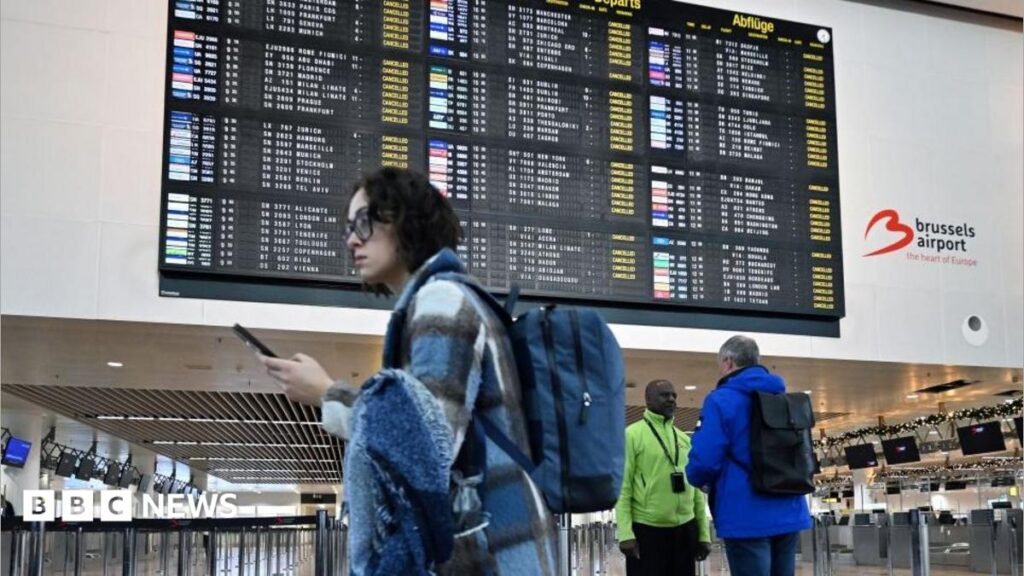
On November 12, scheduled flights from Brussels Airport to major hubs such as London, Paris and Dubai were abruptly cancelled, leaving an estimated 15,000 passengers stranded. Airlines cited safety concerns and the inability to staff ground crews as the primary reasons. Simultaneously, SNCB/NMBS announced a suspension of intercity and regional services across the country, affecting commuters, students and freight operators alike. The strike is expected to last at least three days, with unions indicating they may extend it if negotiations stall.
The disruption has forced travelers to rely on road transport and limited charter flights, driving up prices for last‑minute tickets and creating bottlenecks on highways already congested with holiday traffic. Businesses that depend on just‑in‑time deliveries are scrambling to reroute cargo, while tourism operators warn of a potential loss of up to €200 million in revenue for the month of November alone.
Why African diaspora travelers should pay attention
Belgium serves as a major entry point for African diaspora members visiting family, attending conferences, or transiting to other European destinations. Brussels Airport handles a significant volume of flights from West African capitals such as Lagos, Accra and Abidjan, many of which are operated by African carriers that have code‑share agreements with European airlines. The sudden cancellation of flights therefore jeopardises not only leisure travel but also business trips that could affect trade deals and investment projects linking Africa to the EU.
Moreover, the strike threatens the movement of perishable goods, including fresh produce and pharmaceuticals that are routinely shipped from African exporters to Belgian ports for onward distribution. According to a source at a Belgian logistics firm, the rail shutdown could delay cargo by 24‑48 hours, a margin that could render some agricultural shipments unsellable. For African entrepreneurs relying on the European market, this adds an unexpected cost and could dampen confidence in using Belgium as a logistics hub.
Political stakes: budget talks and union leverage
Prime Minister De Croo’s government faces a critical deadline to present a revised budget by the end of November. The transport strike has amplified pressure on the cabinet to reach a compromise that satisfies both fiscal prudence and workers’ demands. Union leaders, speaking to local media, argue that the disruption demonstrates their capacity to force a seat at the negotiating table, while fiscal hawks warn that yielding to wage concessions could undermine Belgium’s credit rating.
International observers note that Belgium’s predicament mirrors similar confrontations in France and Spain, where public‑sector strikes have been used as bargaining chips to extract policy concessions. If the Belgian government concedes to higher wage indices or postpones certain cuts, it could set a precedent for other EU nations grappling with post‑pandemic debt. Conversely, a hardline stance could deepen social unrest and risk a spill‑over into other sectors, such as ports and energy.
What comes next: possible scenarios and travel advice
Analysts outline three plausible outcomes. The most optimistic scenario envisions a rapid budget compromise, prompting unions to call off the strike within 48 hours and restoring normal flight and rail schedules by the weekend. A middle‑ground outcome would see a temporary truce, with limited services resuming while negotiations continue, leaving travelers to contend with reduced capacity and higher fares for the remainder of the month. The worst‑case scenario involves an escalation, where additional public‑sector unions join the walkout, potentially extending the disruption into December and threatening the holiday travel season.
For African diaspora members and businesses planning travel through Belgium, experts advise booking flexible tickets, monitoring airline and railway updates daily, and considering alternative routes via neighboring airports such as Amsterdam Schiphol or Luxembourg. Freight forwarders are urged to secure insurance coverage for delay‑related losses and to explore multimodal options that bypass the rail network if possible. Staying informed through embassy alerts and union statements can help mitigate the impact of this volatile situation.
Quick Answers
Why were flights and train services cancelled in Belgium in November 2026?
The cancellations resulted from a coordinated strike by transport unions demanding a clearer budget plan and protection of wages amid a €12 billion deficit.
How does the Belgian transport strike affect African travelers and cargo?
It disrupts flights that connect African capitals to Brussels and delays rail‑linked cargo, potentially costing African exporters time and money.
When is the next expected negotiation between the Belgian government and unions?
A revised budget is due by the end of November 2026, with intensive talks slated for the week following the strike, according to government sources.
Source: www.bbc.co.uk




💬 Comments 0