Mexican soldiers attacked after arrest of ‘El Chapo Isidro’ in Sinaloa, 2026 – why it matters for security and drug routes
Background: A new wave of cartel arrests
In early November 2026, Mexican federal forces captured a mid‑level drug trafficker known as "El Chapo Isidro" in the state of Sinaloa. The nickname deliberately echoes the infamous Joaquín "El Chapo" Guzmán, but the suspect was never a top‑tier boss; he operated a regional network that smuggles methamphetamine and fentanyl across the U.S. border. His arrest was part of a broader crackdown announced by President Claudia Sheinbaum’s administration, which has pledged to dismantle the remaining structures of the once‑dominant Sinaloa Cartel.
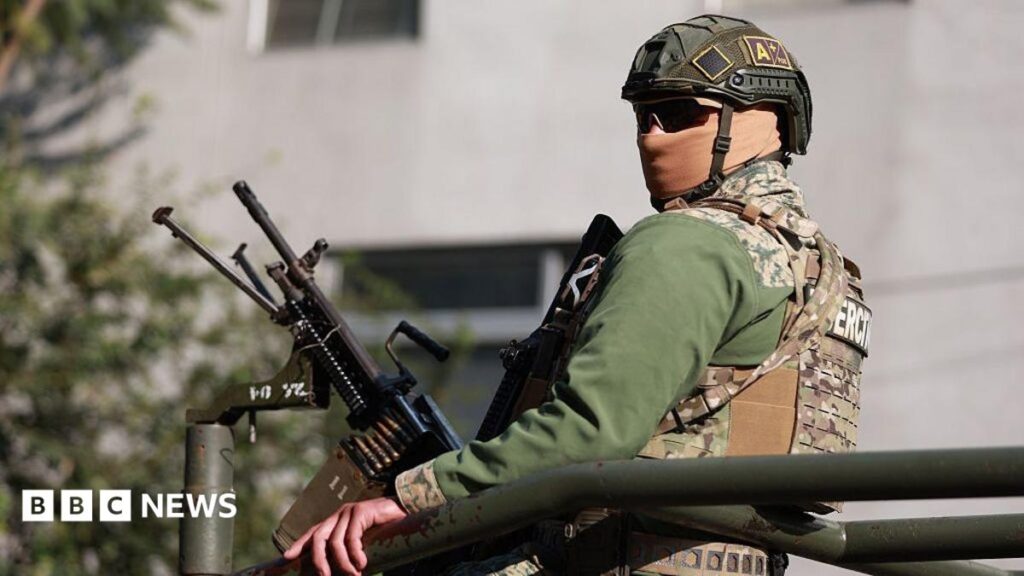
The operation was carried out by the Mexican Army’s 21st Infantry Battalion, which entered a rural compound near Culiacán after weeks of intelligence gathering. While the soldiers succeeded in taking the suspect without bloodshed, the ensuing chaos revealed how fragile the fragile peace in cartel‑ridden regions has become. Within hours, armed gunmen opened fire on the troops, prompting a brief but intense firefight that left eight suspects later detained.
What happened on the ground
According to a statement released by the Secretariat of National Defense (SEDENA), the soldiers were attempting to restore order after the arrest when a convoy of black pickup trucks rammed the checkpoint. The attackers, described as heavily armed men in balaclavas, unleashed a barrage of AK‑47 and AR‑15 fire. The soldiers responded with automatic weapons and a limited air‑support drone, forcing the gunmen to retreat.
Eight individuals were subsequently apprehended, including two alleged lieutenants of the arrested drug lord. None of the soldiers were reported injured, but the incident underscored a worrying trend: cartel factions are increasingly willing to confront state forces directly, rather than relying solely on intimidation or bribery. The SEDENA report also noted that the gunmen used encrypted communications, a tactic that mirrors the growing sophistication of criminal networks across the Americas.
Why the clash matters for Mexico’s security strategy
The attack highlights a shift in the calculus of Mexican cartels. Since the capture of the original "El Chapo" in 2016, the drug trade has fragmented into smaller, more aggressive cells that often lack the hierarchical discipline of the old organizations. These splinter groups view high‑profile arrests as opportunities to demonstrate power, sending a clear message that state authority can be challenged without fear of total annihilation.
For the Sheinbaum administration, the incident presents both a political risk and a strategic dilemma. On one hand, the arrest of a drug trafficker feeds into the narrative of a tough‑on‑crime agenda, which is popular among voters in the north‑central states. On the other hand, the violent backlash threatens to erode public confidence in the government’s ability to protect civilians and to keep the border region stable. Analysts at the Center for Strategic and International Studies (CSIS) warn that repeated clashes could push the federal government toward a militarised approach that may alienate local communities and fuel further recruitment into cartel ranks.
Links to African drug routes and the diaspora
While the story is rooted in Mexican domestic affairs, it has a tangible connection to African criminal networks. Over the past decade, West African syndicates have become key suppliers of cocaine that is transshipped through Central America before reaching the United States. The Mexican factions that now control the northern corridors have increasingly partnered with these African groups, exchanging firearms and logistics expertise for a steady flow of South‑American cocaine.
The arrest of "El Chapo Isidro" could disrupt these partnerships, at least temporarily. Sources cited by Reuters in a recent investigative series say that the suspect oversaw a hub in Sinaloa that coordinated the receipt of West African‑origin cocaine shipments arriving via maritime routes to the Pacific coast. A disruption in that hub may force African traffickers to reroute through rival cartels or even shift part of their operations to Central America, which could alter the risk landscape for African migrants traveling northward through Mexico. In recent years, a growing number of West African migrants have used Mexico as a transit point to reach the United States, and heightened cartel violence has made their journeys more perilous.
What comes next: policy, migration, and market implications
In the short term, Mexican authorities are likely to increase patrols around the Culiacán area and deploy additional intelligence assets to monitor communications among cartel cells. President Sheinbaum has promised a “zero‑tolerance” response, which may translate into more joint operations with U.S. law‑enforcement agencies such as the DEA and Homeland Security. The United States has already signalled willingness to share surveillance data, hoping to curb the flow of fentanyl that fuels the opioid crisis south of the border.
Economically, the incident could affect commodity markets that are sensitive to security disruptions in Mexico, such as avocados and berries, which are major export items to the United States and Europe. A spike in violence often leads to temporary road closures and higher insurance premiums for exporters, which in turn can raise prices for consumers abroad. For African investors with stakes in Mexican agribusiness—particularly those from South Africa and Kenya who have entered joint‑venture agreements in recent years—the heightened risk may prompt a reassessment of supply‑chain resilience.
Quick Answers
Who was "El Chapo Isidro" and why was his arrest significant?
"El Chapo Isidro" was a mid‑level Sinaloa Cartel operative who coordinated meth and fentanyl shipments to the U.S.; his capture marks a key win in Mexico’s ongoing effort to dismantle cartel networks.
How did the attack on Mexican soldiers unfold after the arrest?
Armed gunmen in pickup trucks opened fire on the checkpoint where soldiers were securing the arrest, leading to a brief firefight and the later detention of eight suspects.
What impact could this incident have on African drug traffickers?
The suspect oversaw a hub that linked West African cocaine shipments to Mexican cartels; his removal may force African syndicates to reroute supplies, affecting their logistics and the safety of African migrants transiting Mexico.
Source: www.bbc.co.uk




💬 Comments 0