Aleema Khanum Arrested in Pakistan: What It Means for Imran Khan’s Movement and Regional Politics in 2026
Background: The Khan Family and Pakistan's Political Turbulence
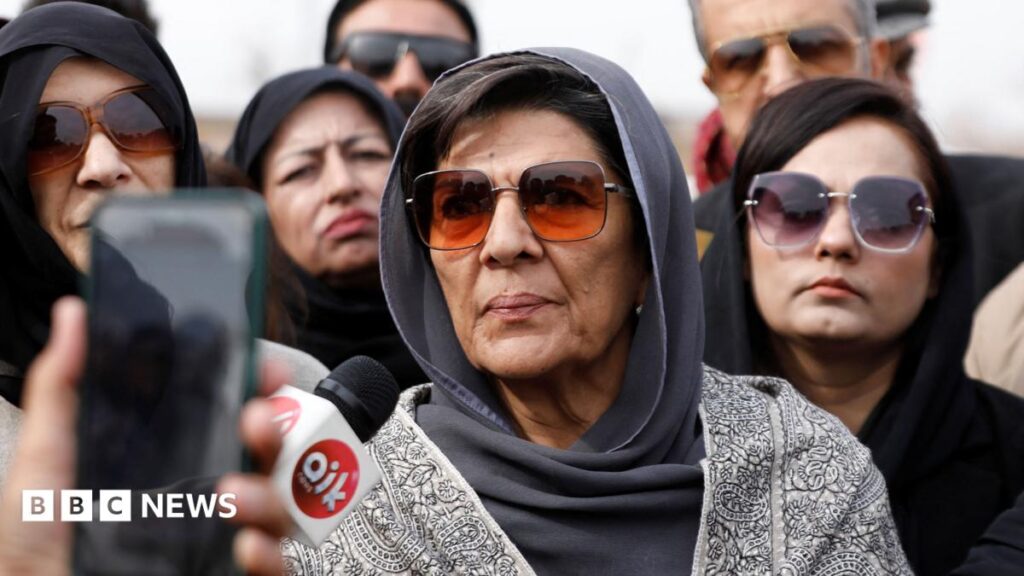
Imran Khan, the former prime minister of Pakistan, was ousted in a parliamentary vote of no confidence in 2022 and has since been a polarising figure, alternating between legal battles and mass rallies. His sister, Aleema Khanum, has long been a behind‑the‑scenes organizer, coordinating logistics for the Pakistan Tehreek-e-Insaf (PTI) party and mobilising supporters during protests.
Since his removal, Khan has faced a series of corruption charges, a high‑profile murder case, and restrictions on his ability to travel. The political climate has grown increasingly hostile, with the current government accusing PTI of inciting unrest ahead of the scheduled general elections in early 2027.
What Happened: Aleema Khanum’s Arrest and the Charges
On September 20, 2026, law enforcement officials in Islamabad detained Aleema Khanum on allegations of “conspiracy to incite public disorder” and “illicit mobilisation of crowds.” According to a statement from the Federal Investigation Agency, she was taken into custody after a raid on her home, where authorities claimed to find printed leaflets, encrypted phone messages, and a ledger tracking protest attendance.
The arrest comes just days before PTI announced a series of nationwide rallies aimed at pressuring the government to lift bans on Khan’s political activities. Aleema is accused of coordinating these rallies, a charge that critics say is an attempt to criminalise routine political organising.
Why It Matters: Implications for Pakistan’s Democracy and Regional Stability
The detention of a close family member of a former prime minister signals a sharpening of the state’s crackdown on dissent. Human‑rights observers, including Amnesty International, have warned that the move could further erode judicial independence and set a precedent for targeting political relatives as a deterrent against opposition mobilisation.
Beyond domestic politics, the arrest raises concerns for investors and regional partners. Pakistan’s economy, already strained by a balance‑of‑payments crisis, relies heavily on political stability to attract foreign direct investment. A perception of an increasingly repressive environment could deter Chinese, Gulf, and African investors who are eyeing infrastructure projects under the China‑Pakistan Economic Corridor and new trade deals with East African ports.
African Connections: Diaspora, Trade, and Perception
A sizable Pakistani diaspora lives across Africa, notably in Kenya, Tanzania, and South Africa, where they run import‑export businesses, textile factories, and logistics firms. Many of these entrepreneurs depend on remittances from relatives in Pakistan and on a predictable political climate for cross‑border trade. Heightened repression could disrupt the flow of funds and create uncertainty for diaspora‑owned enterprises.
Moreover, Pakistan’s push to expand its market reach into Africa – through agricultural exports and joint ventures in renewable energy – may face setbacks if the government’s legitimacy is questioned. African investors often look to political risk ratings when deciding on partnerships; a high‑profile arrest like Aleema’s could push risk scores higher, prompting African firms to reconsider or delay deals.
What’s Next: Legal Battles, Possible Protests, and Election Outlook
Aleema Khanum is expected to appear before a magistrate within 48 hours, after which her case will likely move to a special anti‑terror court. Legal analysts predict that her defence will argue that the evidence consists mainly of political communications protected by free‑speech provisions, a stance that could test the limits of Pakistan’s anti‑terror legislation.
If the arrest fuels public anger, PTI may call for a nationwide “solidarity strike,” a tactic it has used in previous confrontations. Such a strike could pressure the government but also risk violent clashes, especially in Punjab and Khyber Pakhtunkhwa, where PTI’s support base is strongest. The timing is crucial, as the ruling coalition is seeking to showcase a stable governance record ahead of the 2027 elections.
Quick Answers
Why was Aleema Khanum arrested in Pakistan?
She was detained on accusations of conspiring to incite public disorder and illegally organising PTI protest rallies, according to the Federal Investigation Agency.
How could Aleema Khanum’s arrest affect Pakistani investors in Africa?
Increased political repression may raise risk ratings, potentially slowing or pausing African investors’ plans for joint ventures and trade with Pakistan.
What impact might the arrest have on Pakistan’s upcoming 2027 elections?
The arrest could intensify opposition protests, influencing voter sentiment and possibly reshaping the electoral landscape ahead of the 2027 polls.
Source: www.bbc.co.uk




💬 Comments 0