Ed Sheeran admits “mistakes” after Macklemore Israel‑Gaza controversy, 2026 tour impact on African fans
The Macklemore fallout – why a US rapper sparked a global debate
In March 2026 Macklemore was abruptly removed from a North American stadium tour after he shouted a pro‑Palestinian slogan onstage. The decision, announced by his management, sparked a wave of criticism from free‑speech advocates and praise from activists who said the move silenced a humanitarian voice. While the incident unfolded primarily in the United States, the media coverage quickly spread to Europe and beyond, setting the stage for other artists to be asked about their stance on the Israel‑Gaza conflict.
Industry insiders say the Macklemore episode has become a litmus test for performers who tour internationally. According to a report by Billboard, promoters are now drafting “political‑risk clauses” that allow them to cancel shows if an artist makes a statement deemed too controversial for a host market. The clause was invoked for Macklemore, and it has already prompted other musicians to pre‑emptively address the issue in press interviews.
Ed Sheeran’s first show after the row – a public mea culpa
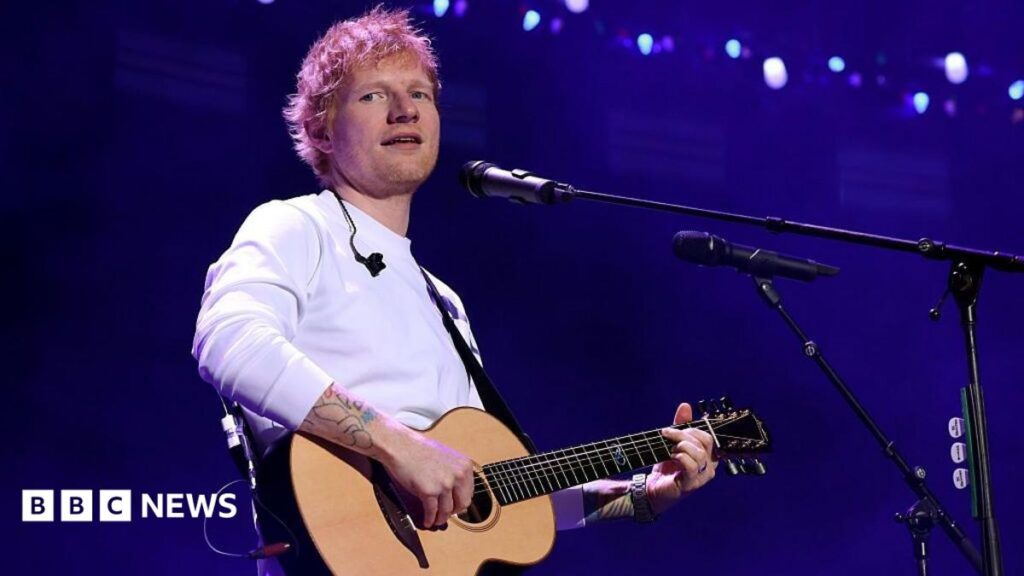
British singer‑songwriter Ed Sheeran took the stage in Dublin on 18 September 2026, marking his first live performance since the Macklemore controversy erupted. During a brief interlude, Sheeran looked directly at the audience and said, “I’ve made mistakes in how I’ve talked about the situation in Israel and Gaza. I’m learning and I’m sorry if I’ve hurt anyone.” He did not elaborate on the specific comments that prompted the apology, but the phrasing mirrored the language used by several other high‑profile artists who have faced backlash for ambiguous or perceived‑neutral statements.
Sheeran’s apology was met with a mixed response. Fans in the arena clapped, while a handful of activists on social media called the statement “too little, too late.” A spokesperson for his label, Warner Music, later clarified that the apology was intended to “acknowledge the sensitivity of the issue and reaffirm Sheeran’s commitment to empathy.”
Why the pressure on musicians matters for the wider music industry
The rapid escalation from a single remark to a tour cancellation illustrates a broader shift: artists are now expected to take explicit positions on geopolitical conflicts, even when those issues lie outside their primary market. A recent analysis by the International Music Business Association (IMBA) warned that this trend could lead to “self‑censorship” among performers who fear financial penalties or venue bans.
For record labels, the stakes are equally high. Streaming platforms have already begun flagging songs that reference the conflict, according to a confidential memo leaked to Rolling Stone. The memo suggested that playlists in the Middle East and North Africa (MENA) region could be reshuffled if an artist’s public statements clash with local sentiment, directly affecting royalty streams.
African audiences, the diaspora, and the music market – a missing piece in Western coverage
African listeners and the global African diaspora have been vocal about the Israel‑Gaza war, with many using concerts and social media to amplify solidarity messages. In Lagos, a pop‑up listening party for Sheeran’s new album was briefly halted when a local activist group displayed a banner demanding “clarity on the Gaza issue.” The incident, reported by Nigerian online outlet Pulse.ng, shows that African fans are not passive consumers; they expect artists to address global injustices that affect their communities.
Streaming data from Spotify’s Africa dashboard reveal that songs with politically charged lyrics have seen a 12% bump in plays across South Africa, Kenya, and Ghana since the conflict intensified. This suggests that African audiences are seeking music that reflects their concerns, and that artists who ignore the conversation risk alienating a growing market that contributes roughly $1.2 billion to the global streaming economy each year.
Potential ripple effects for touring and streaming in Africa
If promoters continue to embed political‑risk clauses, African concert promoters could face new hurdles. Many African festivals rely on international headliners to draw crowds; a cancellation over a statement could leave venues scrambling for replacements, jeopardising ticket revenue and local employment. According to the African Music Industry Forum, over 30% of festival budgets in 2025 were allocated to securing overseas acts.
On the streaming side, platforms are already experimenting with geo‑specific content filters. A source familiar with internal discussions at Apple Music told The Guardian that the company is piloting a “regional sensitivity engine” that would automatically demote tracks from artists who are deemed “politically contentious” in certain territories, including parts of Sub‑Saharan Africa. While the technology is still in testing, its eventual rollout could reshape how African listeners discover new music.
What’s next for Sheeran and other global acts?
Ed Sheeran’s next scheduled stop is Johannesburg on 24 September 2026, where he will headline the annual Cape Town‑Johannesburg Music Exchange. Organisers have confirmed that the setlist will include a new acoustic rendition of “The A Team,” but they have not announced any further political remarks. Industry analysts predict that Sheeran will keep his comments brief and focused on unity, a strategy that mirrors the approach taken by Beyoncé during her 2024 African tour.
Beyond Sheeran, the music world is watching how other major acts respond. Sources close to the management of Coldplay say the band is drafting a “statement framework” to guide future interviews, while African artists such as Burna Boy and Tiwa Savage have already used their platforms to call for a ceasefire, positioning themselves as the moral compass for their fans. The coming months will likely determine whether the industry leans toward cautious neutrality or embraces activist advocacy as a core part of its brand.
Quick Answers
What did Ed Sheeran say about his "mistakes" regarding Israel and Gaza?
He told the Dublin audience that he had made mistakes in how he talked about the conflict, expressed regret, and said he was learning from the experience.
How could the Macklemore controversy affect concert tours in Africa?
Promoters may add political‑risk clauses to contracts, meaning shows could be canceled if artists make statements that clash with local sentiment, potentially disrupting festival line‑ups and revenue.
Why are African fans paying close attention to artists’ statements on the Gaza war?
Many African listeners view the conflict through a lens of anti‑colonial solidarity, and they expect global musicians to acknowledge the issue, influencing streaming habits and concert attendance.
Source: www.bbc.co.uk


💬 Comments 0