Allan Little’s 1992 interview with Ratko Mladić: early glimpse of Bosnia’s ‘Butcher’
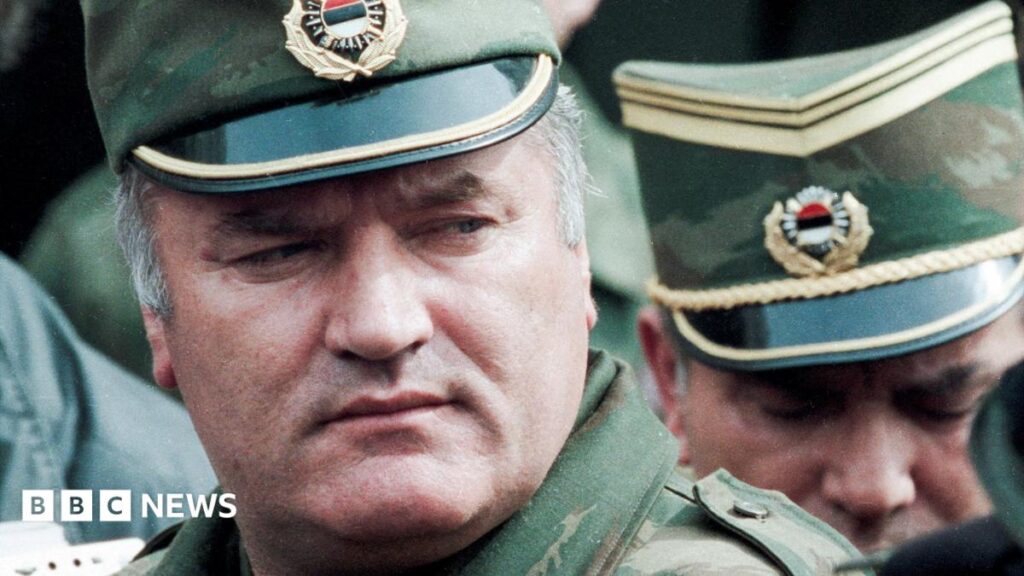
The Bosnian war and the rise of the ‘Butcher’
When the Socialist Federal Republic of Yugoslavia disintegrated in 1991, ethnic tensions exploded into a three‑year conflict that claimed more than 100,000 lives. Bosnia and Herzegovina, a patchwork of Muslims, Serbs and Croats, became the flashpoint for some of the war’s most brutal campaigns, including the siege of Sarajevo and the Srebrenica massacre.
At the centre of the Serbian campaign was General Ratko Mladić, commander of the Bosnian Serb Army. By early 1992 he had already earned a reputation for ruthless tactics, earning him the nickname “the Butcher of Bosnia.” His forces pursued a policy of ethnic cleansing that would later be classified as genocide by the International Criminal Tribunal for the former Yugoslavia (ICTY).
International response was slow and fragmented. While the United Nations deployed peacekeepers, their mandate was limited, and the world’s powers debated whether to intervene militarily. In this vacuum, journalists on the ground became one of the few sources of real‑time insight into the strategies and mindsets of the war’s architects.
Allan Little’s chance encounter in the war’s opening months
BBC special correspondent Allan Little arrived in Sarajevo in April 1992, just weeks after the first artillery shells fell on the city. Determined to capture the human story behind the headlines, Little sought out the men shaping the conflict, including the elusive Mladić.
According to Little’s own recollection, the meeting took place in a modest, heavily guarded house near the Bosnian Serb front line. The general, flanked by senior officers, greeted the journalist with a calm, almost courteous demeanor, a stark contrast to the horror his troops were unleashing elsewhere.
During the brief interview, Mladić dismissed accusations of ethnic cleansing as “propaganda” and framed the Serb campaign as a defensive struggle for survival. Little’s recorder captured the general’s unwavering confidence, a moment that would later serve as a chilling prelude to the atrocities that followed.
Why the interview matters beyond a historical footnote
The transcript of Little’s conversation has become a vital primary source for scholars, war‑crimes prosecutors and journalists alike. It offers a rare glimpse of Mladić’s self‑justification before the ICTY indictment, helping investigators trace the evolution of his public rhetoric into the documented crimes of later years.
For the media, the interview underscores the power—and peril—of frontline reporting. Little’s willingness to engage directly with a figure later branded a war criminal illustrates how journalists can expose the mindset of perpetrators before the world fully recognises the scale of their deeds.
The encounter also fed into the broader narrative that the Bosnian war was not merely a clash of armies but a war of ideologies, where leaders like Mladić weaponised nationalism and fear. Understanding that mindset is essential for any post‑conflict reconciliation effort.
Echoes in Africa: war‑crime tribunals and the ICC
The Bosnian experience shaped the architecture of international justice that Africa would later inherit. The ICTY’s pioneering use of witness protection, forensic evidence and command‑responsibility doctrine set precedents later applied by the International Criminal Court (ICC) in African cases such as the Darfur, Congo and Sudan prosecutions.
African leaders have both praised and criticised the ICC, arguing that the court’s focus on African conflicts appears disproportionate. Yet the lessons from Bosnia—particularly the importance of early documentation and the role of journalists in preserving evidence—remain central to African advocacy groups fighting for accountability.
Furthermore, the Bosnian war prompted a surge of African participation in UN peacekeeping missions, with troops from Nigeria, Ghana and South Africa serving in the former Yugoslavia. Those soldiers later drew on that experience when deployed to Liberia, Sierra Leone and the Democratic Republic of Congo, influencing how African contingents approached civilian protection and rules of engagement.
What the future holds: memory, justice and reporting
Mladić was finally arrested in 2011 and sentenced to life imprisonment in 2017, closing a legal chapter that began with early reports like Little’s interview. Yet the battle over collective memory continues in Bosnia, where nationalist politics still contest the narrative of the 1990s.
For African societies grappling with their own legacies of mass violence, the Bosnian case offers a cautionary tale about the dangers of early denial and the necessity of preserving testimonies. Journalists, NGOs and courts must work together to ensure that the first‑hand accounts of perpetrators and victims alike are not lost to time.
Allan Little’s 1992 conversation reminds us that the seeds of atrocity are often sown in ordinary discourse. By listening to, recording, and later analysing such moments, the global community can better anticipate, intervene and, ultimately, prevent the recurrence of genocidal violence—whether in Europe, Africa or elsewhere.
Quick Answers
When did Allan Little interview Ratko Mladić?
Allan Little met and interviewed Ratko Mladić in April 1992, during the early months of the Bosnian war.
Why is the interview considered important for war‑crime investigations?
The interview provides a primary source of Mladić’s own rhetoric before the ICTY indictment, helping prosecutors link his public statements to later documented atrocities.
How does the Bosnian war relate to African war‑crime tribunals?
Procedures pioneered by the ICTY, such as command‑responsibility doctrine and witness protection, were later adopted by the ICC in African cases, influencing how the continent pursues justice for mass atrocities.
Source: www.bbc.co.uk


💬 Comments 0