Amaechi Defends Cardinal Onaiyekan Against Tinubu’s Team
Background to the Controversy
The recent meeting between President Bola Tinubu and the Catholic Bishop Conference of Nigeria has sparked a heated debate, with various stakeholders weighing in on the discussions that took place. One of the key voices that has been heard in this regard is that of Archbishop Emeritus of Abuja, John Cardinal Onaiyekan, who made some comments about the meeting that did not sit well with the Presidency.
The comments made by Cardinal Onaiyekan were seen as critical of the President and his administration, and it appears that the Presidency took umbrage with his remarks. The media team of President Tinubu responded to Onaiyekan's comments, and their response has been characterized by some as an insult to the Cardinal and the Catholic Church.
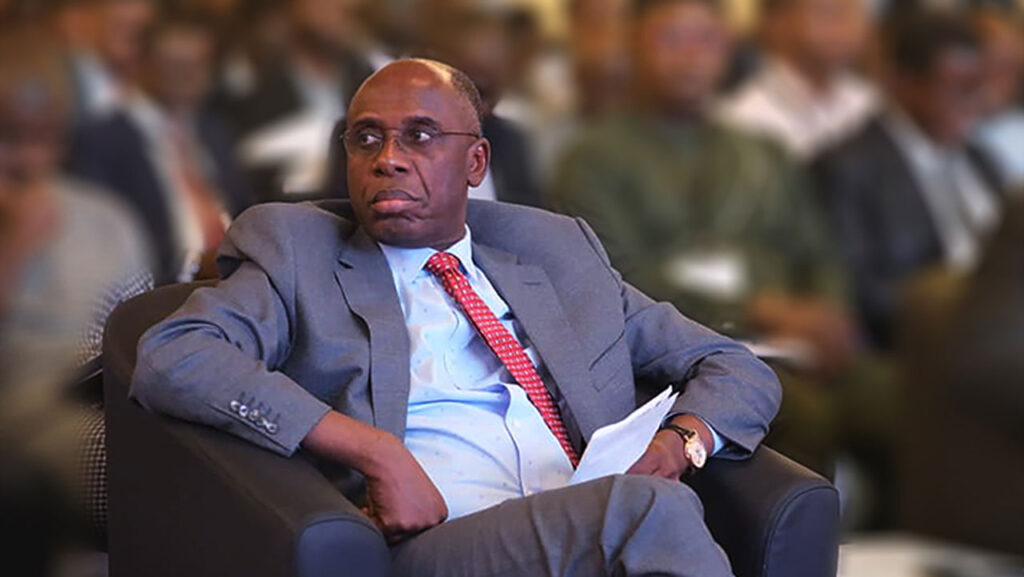
This development has now drawn in other political figures, including Rotimi Amaechi, the presidential running mate of the African Democratic Congress, ADC. Amaechi has come out strongly in defense of Cardinal Onaiyekan, accusing President Tinubu and his media team of insulting the Cardinal and the Catholic Church.
Amaechi's Intervention
Amaechi's decision to wade into this controversy is significant, as it highlights the deep divisions that exist within the political class in Nigeria. By taking on the Presidency in this manner, Amaechi is sending a clear signal that he will not hesitate to speak truth to power, even if it means taking on the highest office in the land.
Amaechi's comments are also a reflection of the complex web of relationships that exist between politicians and religious leaders in Nigeria. The Catholic Church is a major institution in the country, and its leaders are widely respected for their wisdom and integrity. By insulting Cardinal Onaiyekan, the Presidency may have misstepped, and Amaechi is seeking to capitalize on this mistake to score political points.
It is worth noting that Amaechi's intervention in this controversy may also be motivated by a desire to curry favor with the Catholic Church and its adherents. As a politician seeking to build a broad coalition of support, Amaechi may see this as an opportunity to burnish his credentials as a defender of the faith and a champion of the rights of religious leaders.
Why This Matters
The controversy surrounding Cardinal Onaiyekan's comments and the Presidency's response is more than just a storm in a teacup. It highlights the deeper tensions that exist between the political class and the religious establishment in Nigeria, and it raises important questions about the role of religion in public life.
The fact that the Presidency felt compelled to respond to Onaiyekan's comments in such a robust manner suggests that there is a sense of unease within the administration about the influence of the Catholic Church and its leaders. This is not surprising, given the significant role that the Church plays in Nigerian society and the respect that its leaders command.
This controversy also has implications for the broader political landscape in Nigeria. As the country prepares for future elections, the relationship between politicians and religious leaders will become increasingly important. Politicians who are able to build strong relationships with religious leaders and institutions may be able to tap into a deep well of support and legitimacy, while those who are seen as hostile to the interests of the faith community may struggle to gain traction.
Reactions and Implications
The reaction to Amaechi's comments has been mixed, with some hailing him as a hero for standing up to the Presidency and others criticizing him for seeking to politicize a sensitive issue. The Catholic Church has yet to formally respond to the controversy, but it is likely that the institution will be watching developments closely.
The implications of this controversy are far-reaching, and they will likely be felt for some time to come. The relationship between the Presidency and the Catholic Church has been strained, and it may take some effort to repair. Meanwhile, Amaechi's intervention has raised his profile and burnished his credentials as a bold and fearless politician.
It is also worth noting that this controversy may have implications for the broader Christian community in Nigeria. The fact that the Presidency felt compelled to respond to Onaiyekan's comments in such a robust manner may be seen as a sign of disrespect to the Christian faith, and this could have far-reaching consequences for the administration's relationship with Christian leaders and institutions.
What's Next
As the controversy surrounding Cardinal Onaiyekan's comments and the Presidency's response continues to unfold, it is unclear what the next steps will be. However, it is likely that the issue will continue to simmer, with both sides seeking to gain the upper hand in the court of public opinion.
Amaechi's intervention has raised the stakes, and it will be interesting to see how the Presidency responds to his comments. The Catholic Church may also seek to weigh in on the issue, and its response could have significant implications for the administration and its relationship with the faith community.
The broader implications of this controversy will also be worth watching. As Nigeria prepares for future elections, the relationship between politicians and religious leaders will become increasingly important. This controversy may be a sign of things to come, and it will be interesting to see how the various stakeholders navigate this complex and sensitive issue.
Quick Answers
What is the controversy surrounding Cardinal Onaiyekan's comments?
The controversy surrounds the comments made by Cardinal Onaiyekan about a meeting between President Bola Tinubu and the Catholic Bishop Conference of Nigeria, and the Presidency's response to those comments, which some have characterized as an insult to the Cardinal and the Catholic Church.
Why did Rotimi Amaechi intervene in the controversy?
Amaechi intervened in the controversy to defend Cardinal Onaiyekan and the Catholic Church against what he saw as an insult from the Presidency, and to score political points by positioning himself as a champion of the faith community.
What are the implications of this controversy for Nigerian politics?
The controversy has implications for the relationship between the Presidency and the Catholic Church, as well as for the broader Christian community in Nigeria, and may also have implications for future elections and the role of religion in public life.
Source: dailypost.ng



💬 Comments 0