Amazon cargo plane crash 2026: pilot warned of excessive speed before disaster
Background – Amazon Air’s rapid expansion
Amazon’s air‑freight arm, Amazon Air, has grown from a handful of regional jets in 2016 to a fleet of more than 150 cargo aircraft serving North America, Europe and, increasingly, Africa. The company’s strategy hinges on controlling the last‑mile delivery chain, shaving days off shipping times for Prime members and for third‑party sellers who rely on fast logistics to stay competitive. In the past two years, Amazon has opened hubs in Nairobi, Johannesburg and Lagos, promising to link African manufacturers directly to global markets through its proprietary network.
That growth has been fuelled by a surge in e‑commerce sales across the continent, where mobile penetration and digital payments are hitting record highs. Small‑scale producers in Ghana and Kenya, for example, now list products on Amazon’s marketplace, counting on the carrier’s air‑cargo services to move goods quickly to overseas warehouses. The stakes are high: any disruption in Amazon’s flight operations reverberates through a supply chain that already struggles with limited infrastructure and high freight costs.
What happened – a warning ignored
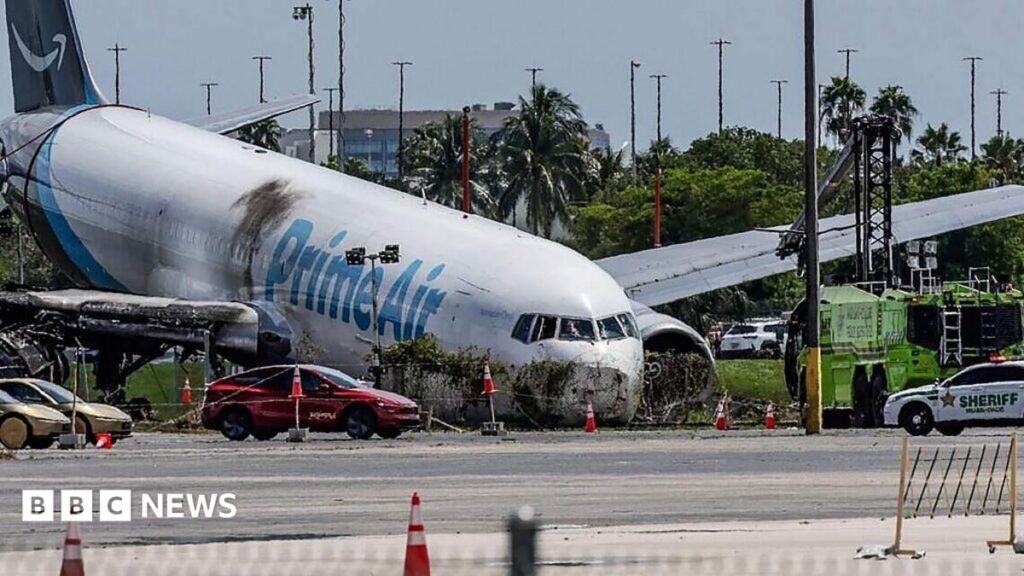
On 9 September 2026, a Boeing 767‑300F operated by Amazon Air departed from a U.S. hub bound for a West Coast destination. According to flight‑data recorders recovered by investigators, the first‑officer reported an “excessive speed” condition to the captain shortly after take‑off. The captain’s response, captured in cockpit voice recordings, was described by sources as “uneven” and failed to bring the aircraft back within the prescribed speed envelope.
Moments later, the plane’s automated warning system triggered a series of alarms, indicating that the aircraft was approaching its maximum operating limit. Despite the alerts, the crew did not reduce thrust in time, and the aircraft entered a steep descent that ended in a fatal crash on a sparsely populated area outside the airport perimeter. All three crew members perished, and the wreckage is still being examined by the National Transportation Safety Board (NTSB).
Why it matters – safety culture under the microscope
The incident puts Amazon Air’s safety protocols under intense scrutiny. While the company boasts a safety record comparable to major airlines, the NTSB’s preliminary findings suggest a breakdown in crew resource management—a core principle that requires pilots to openly discuss safety concerns and act on them promptly. Industry analysts say that the “uneven” response could be symptomatic of a broader pressure to maintain tight schedules, especially on high‑value, time‑critical cargo runs.
Regulators in the United States and Europe have already signalled tighter oversight of private cargo operators. If the NTSB confirms that speed‑management policies were inadequate, Amazon could face fines, mandatory training upgrades, and a possible temporary grounding of part of its fleet. Such outcomes would ripple through the logistics market, where Amazon competes with FedEx, UPS and emerging African carriers for a share of the booming air‑freight business.
African implications – what the crash could mean for the continent
Amazon’s African hubs rely on a steady stream of aircraft to move goods between Lagos, Nairobi and the company’s global distribution centers. Any slowdown in fleet availability could lengthen transit times for African sellers, eroding the price advantage that fast shipping provides. Small manufacturers, who have invested in Amazon’s Fulfillment by Amazon (FBA) program, may see inventory sitting longer in regional warehouses, tying up capital and increasing storage fees.
Beyond individual sellers, the crash could affect broader economic plans. Several African governments have partnered with Amazon to develop “logistics corridors” that aim to connect inland production zones with coastal airports. A perceived safety lapse might cause policymakers to reconsider incentives for foreign cargo operators, potentially opening space for home‑grown airlines such as Ethiopian Airlines Cargo or Kenya Airways Cargo to capture market share.
What’s next – investigations, reforms and industry response
The NTSB has opened a full‑scale investigation, with a final report expected within 12 months. In the meantime, Amazon has pledged to cooperate fully and has already placed its fleet on a voluntary safety audit. The company’s senior vice‑president for aviation, David L. Roper, told reporters that Amazon will “review our crew‑resource management training and reinforce a culture where safety concerns are never dismissed.”
Other cargo operators are watching closely. FedEx’s chief safety officer, Maria Gonzales, said the incident underscores the need for “real‑time monitoring of speed parameters and clearer escalation protocols.” In Africa, the African Civil Aviation Conference (AFCAC) announced it will convene a special forum on cargo‑plane safety, inviting both multinational carriers and regional airlines to share best practices. The outcome could shape new continent‑wide guidelines that balance rapid growth with rigorous safety standards.
Quick Answers
What caused the Amazon cargo plane crash?
Preliminary data shows the aircraft was flying at excessive speed after a pilot warned the captain, leading to loss of control.
How could the crash affect African e‑commerce?
Delays or stricter regulations on Amazon’s cargo fleet could slow shipments for African sellers using Amazon’s logistics network.
Who is leading the investigation?
The U.S. National Transportation Safety Board (NTSB) is heading the official probe.
Source: www.bbc.co.uk




💬 Comments 0