Amazon cargo plane runway overrun in Miami 2026: safety concerns, supply‑chain ripple effects and what it means for African exporters
What happened at Miami International Airport
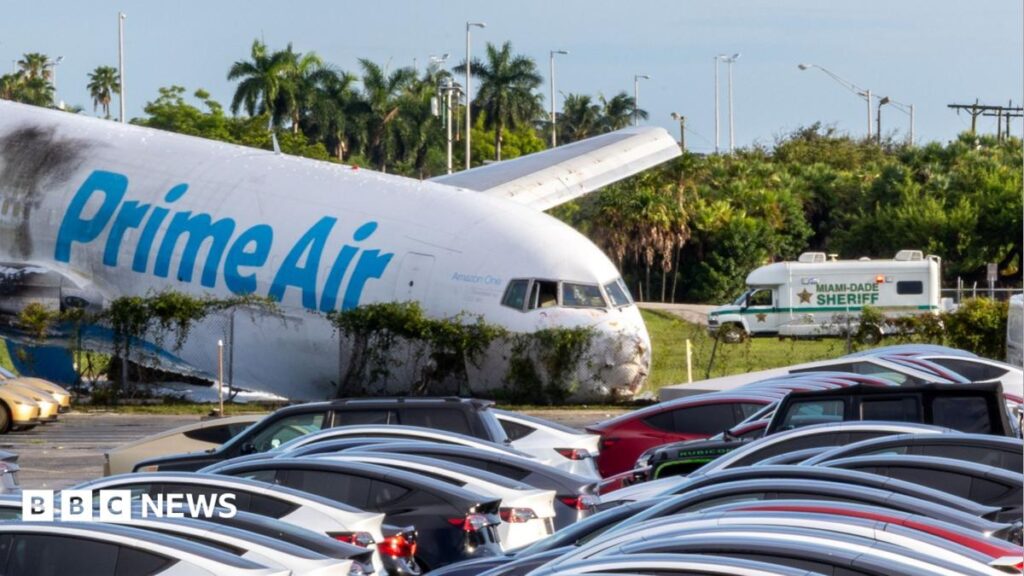
On the evening of September 6, 2026, a Boeing 767‑300F operated by Amazon Air touched down at Miami International Airport (MIA) under rainy conditions and failed to stop within the allocated runway length. The aircraft overshot the pavement, broke through a perimeter fence and came to rest on a grassy area beyond the runway. Five crew members aboard the plane were killed and another five suffered injuries ranging from minor to serious, according to the Miami-Dade Police Department.
Airport officials immediately halted all runway operations, diverting inbound traffic to nearby Fort Lauderdale‑Hollywood International Airport while emergency crews worked to secure the scene. The Federal Aviation Administration (FAA) opened a formal investigation, citing the need to examine pilot decision‑making, runway surface conditions, and the performance of the aircraft’s braking system.
Why the incident matters beyond Miami
The crash is not just a local tragedy; it highlights growing pressures on U.S. air‑cargo infrastructure. Over the past five years, Amazon has more than doubled its dedicated freight fleet, using Miami as a key gateway for shipments moving between Latin America, the Caribbean and the United States. An overrun that shuts down one of the nation’s busiest international airports can cause cascading delays for hundreds of flights, affecting time‑sensitive goods such as electronics, medical supplies and perishable food.
For African businesses that rely on Amazon’s fulfillment network to reach U.S. consumers, any interruption at MIA reverberates across the supply chain. Many small‑scale exporters ship products to Amazon fulfillment centers in the U.S. via air freight, then use Amazon’s last‑mile delivery to sell on its marketplace. A prolonged runway closure can delay inbound cargo, push back inventory replenishment cycles and increase holding costs for African sellers.
Connecting the dots: a pattern of runway overruns in a booming cargo era
The Miami incident is the latest in a series of runway overruns involving large cargo jets. In 2022, a FedEx freighter overshot a runway in Newark, and in 2024 a DHL Boeing 777‑200F experienced a similar mishap in Dubai during a wet landing. Industry analysts attribute the trend to a combination of heavier aircraft loads, tighter scheduling pressures, and increasingly variable weather patterns linked to climate change.
Airports that were designed for a lower volume of wide‑body cargo traffic are now handling far more take‑offs and landings than originally projected. According to the International Air Transport Association (IATA), global air‑cargo tonnage grew by 12% in 2025, driven largely by e‑commerce giants. The surge strains runway length, braking‑system capacity and runway‑maintenance budgets, raising the likelihood of incidents when pilots must contend with wet or contaminated surfaces.
Implications for African markets and the diaspora
African entrepreneurs who sell on Amazon benefit from the platform’s vast reach, but they also depend on predictable logistics. A disruption at a major U.S. hub can translate into stock‑outs on popular items, eroding seller ratings and consumer trust. For the Nigerian fashion sector, for example, delayed shipments of textiles and accessories could mean missing the crucial back‑to‑school season, which accounts for a sizable share of quarterly sales.
The diaspora community in the United States often orders goods shipped from Africa via Amazon’s fulfillment network. When cargo flow stalls, delivery times lengthen, prompting customers to turn to alternative platforms or local retailers. This shift can diminish the competitive edge that African‑origin products have gained through Amazon’s global visibility.
What comes next: investigations, regulatory response and industry adjustments
The FAA’s investigation will likely focus on three core areas: pilot technique during the landing roll, the performance of the aircraft’s anti‑skid braking system, and the condition of the runway’s grooving and drainage. Preliminary data from the aircraft’s flight‑data recorder, which was recovered on September 8, suggests the pilots initiated a standard flare but may have delayed deploying maximum reverse thrust.
Regulators may respond by tightening runway‑length requirements for heavy cargo aircraft, especially during wet weather. In parallel, Amazon has pledged to conduct an internal safety review and to accelerate investments in newer, more fuel‑efficient freighters equipped with advanced braking technology. Industry observers predict that carriers will also re‑evaluate flight‑plan buffers, allowing extra landing distance on airports with historically short runways.
Long‑term outlook: building resilience for African exporters
African trade bodies are already lobbying for diversified entry points into the U.S. market. By expanding usage of secondary airports such as Jacksonville International or even leveraging East Coast ports with air‑cargo facilities, exporters can mitigate the risk of a single‑airport bottleneck. The African Union’s Continental Free Trade Area (AfCFTA) Secretariat has highlighted logistics resilience as a pillar for achieving the bloc’s trade‑growth targets.
In the meantime, sellers are advised to maintain safety stock in U.S. fulfillment centers and to explore multi‑carrier strategies that include both air and sea freight. Such measures can cushion inventory levels against unexpected disruptions, ensuring that African products remain competitively available to American shoppers even when a high‑profile incident like the Miami overrun occurs.
Quick Answers
What caused the Amazon cargo plane to overrun the runway in Miami?
Investigators suspect a combination of wet runway conditions, possible delayed reverse‑thrust deployment and the aircraft’s heavy load contributed to the overrun.
How might this accident affect African sellers on Amazon?
Delays at Miami could slow cargo arrivals to U.S. fulfillment centers, leading to inventory shortages and longer delivery times for African‑origin products.
Will the FAA change runway requirements for cargo planes after this incident?
The FAA is expected to review runway‑length standards and braking‑system performance criteria for heavy freight aircraft, especially under adverse weather.
Source: www.bbc.co.uk




💬 Comments 0