American Airlines ends free elite upgrades on long US routes in 2026, impacting diaspora travelers
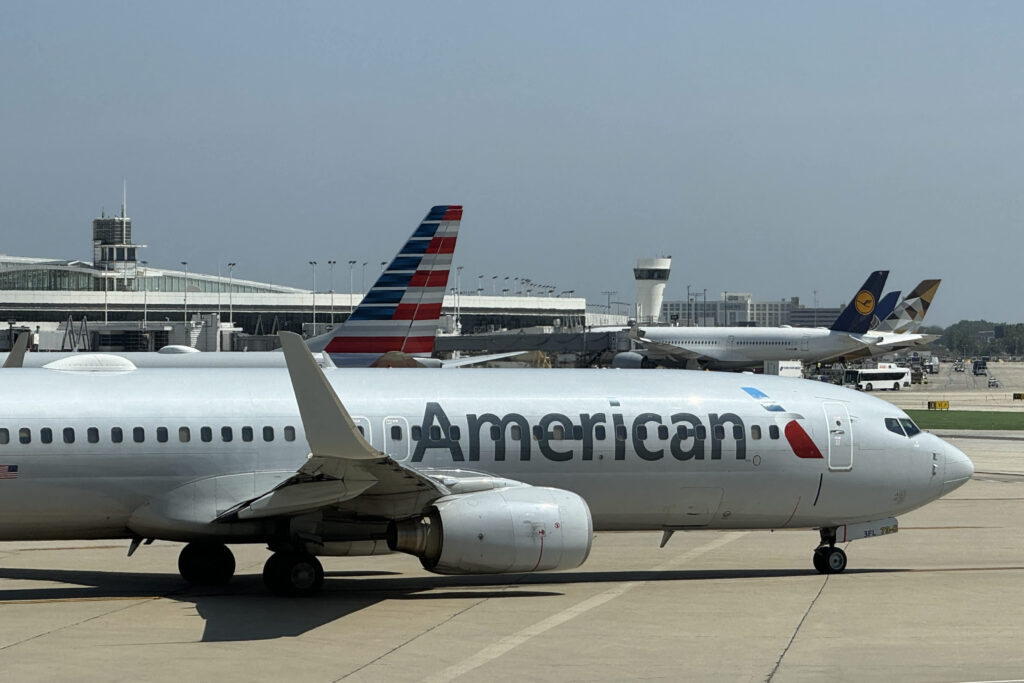
Background: AA’s upgrade tradition and recent pressure
For years, American Airlines has used complimentary upgrades from economy to its flagship business class as a key perk for AAdvantage elite members. The practice helped the carrier fill premium seats on routes that often run with excess capacity, especially on coast‑to‑coast flights such as New York‑Los Angeles or Chicago‑San Francisco.
The airline’s loyalty program, however, has faced mounting pressure from rising fuel costs, a tighter labor market, and an industry‑wide shift toward monetising every possible revenue stream. In the past twelve months, AA has rolled out paid‑upgrade options, higher mileage thresholds for elite status, and stricter seat‑availability rules, signalling a broader de‑valuation of legacy benefits.
What the change means: upgrades gone on the longest domestic legs
Effective immediately, American will stop offering free upgrades to elite flyers on its longest domestic routes, defined as flights exceeding six hours of block time. The policy still applies to shorter hops, but passengers on routes like Dallas‑to‑Seattle or Miami‑to‑Seattle will no longer be automatically bumped into business class, even if they hold Platinum or Executive Platinum status.
The airline says the move is intended to “better align seat inventory with demand and protect the revenue potential of premium cabins,” according to an internal memo circulated to staff. Elite members can still purchase upgrades with cash or miles, but the complimentary pathway that existed for years is now officially closed on these high‑traffic corridors.
Why it matters: loyalty, pricing and the future of premium travel
Frequent flyers have long counted on free upgrades as a tangible return on the miles they earn and the higher spend required for elite tiers. Removing the benefit on the most lucrative routes could erode the perceived value of AAdvantage status, prompting some members to reconsider their airline allegiance or to seek out competing carriers that still honour upgrades.
From a financial perspective, the decision may help American plug a revenue leak. Business‑class seats on long domestic flights command premium fares, and keeping those seats filled with paying passengers rather than complimentary upgrades can improve the carrier’s load factor and overall yield. Analysts at Bloomberg note that the change could add up to $150 million in incremental revenue if fully realised over the next fiscal year.
Diaspora ripple: African travelers feel the pinch
The policy shift has a direct line to the African diaspora, many of whom rely on AA’s extensive US network to connect to international gateways such as Lagos, Nairobi, or Johannesburg. Business travelers from Nigeria, Ghana and South Africa often book a domestic leg to a hub like New York before boarding a trans‑Atlantic flight, and the loss of a free upgrade can increase the total cost of a trip that already stretches thin budgets.
Moreover, the upgrade perk was a subtle status signal for African entrepreneurs and cultural ambassadors who use business class to network, rest, and prepare for meetings in the US. Without the complimentary bump, some may opt for more expensive airlines that still extend the benefit, or they might shift to alternate routing that bypasses AA’s long‑haul domestic legs altogether, potentially diverting traffic away from US airports that serve as key diaspora hubs.
What’s next: possible responses and broader industry trends
Industry watchers expect airlines to double down on paid‑upgrade products, bundling them with mileage purchases or offering them as a tiered add‑on during the booking flow. If American’s experiment proves profitable, other legacy carriers such as Delta and United could follow suit, accelerating a shift away from “free” elite perks toward a more cash‑centric loyalty model.
For African travelers, the change underscores the importance of diversifying airline relationships and keeping an eye on loyalty program updates. Travel agencies that specialise in diaspora routes are already advising clients to lock in upgrade credits early or to explore partner airlines that honour elite status on US domestic legs. In the longer term, the move may fuel demand for premium‑class seats on African carriers that are expanding their US‑to‑Africa routes, such as Ethiopian Airlines and Kenya Airways, which have begun courting high‑value diaspora customers with their own upgrade incentives.
Quick Answers
Will American Airlines still offer free upgrades to elite members on short US flights?
Yes, the complimentary upgrade benefit remains for elite flyers on domestic routes shorter than six hours.
How can African diaspora travelers offset the loss of free upgrades on long US flights?
They can purchase upgrades with cash or miles, use partner airlines that still honour upgrades, or book through travel agencies that bundle upgrade credits.
What impact could this policy have on American Airlines’ revenue?
Analysts estimate the change could generate up to $150 million in additional revenue by preserving premium‑cabin seats for paying passengers.
Source: www.cnbc.com



💬 Comments 0