McDonald’s 2026 chicken and coffee push faces stiff competition from Chick‑fil‑A and coffee chains – what it means for Africa
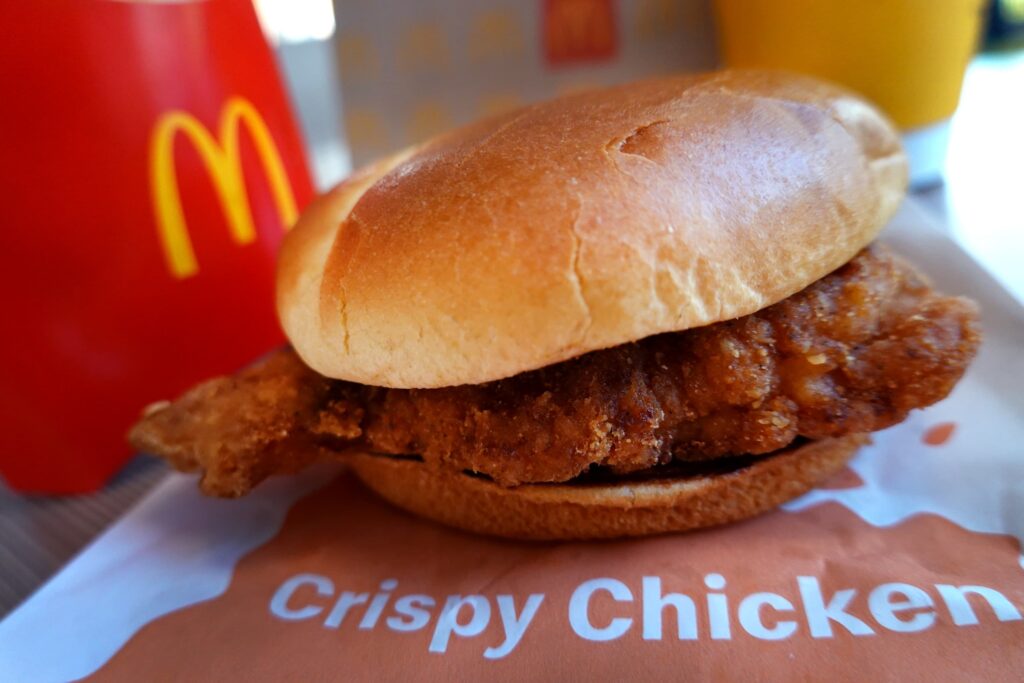
Why McDonald’s is betting on chicken and drinks
In the last few years the golden arches have been trying to shed their beef‑centric image. Global sales data show that chicken‑based items now account for a larger slice of the fast‑food pie than they did a decade ago, and beverages – especially specialty coffee – have become a major profit centre for many quick‑service brands. McDonald’s corporate strategy for 2026 therefore places a premium on expanding its chicken portfolio and rolling out a more sophisticated coffee line, hoping to capture the same growth that has lifted rivals.
The shift is not just about menu variety. Chicken typically carries a lower raw‑material cost than beef in many markets, and coffee sales generate higher margins per unit. By pairing a high‑volume, low‑margin food item with a high‑margin drink, McDonald’s hopes to boost the average ticket size while keeping overall food costs in check. Executives have described the plan as “a two‑pronged engine for sustainable growth” in internal briefings.
The competitive landscape: Chick‑fil‑A and coffee chains gaining ground
Consumer Edge’s latest spending analysis shows that U.S. diners are allocating more of their fast‑food budget to Chick‑fil‑A and specialty coffee shops than to traditional burger chains. The report notes a 7 % year‑over‑year rise in average spend at chicken‑focused outlets and a 9 % jump at coffee‑centric retailers, while McDonald’s growth in the same period lagged behind the industry average.
Analysts attribute the shift to changing taste preferences, health‑conscious messaging around lean protein, and the rise of “coffee culture” among younger consumers. In a recent interview, a senior market analyst told Bloomberg that “the fast‑food sector is being re‑engineered around convenience‑driven, high‑margin categories like chicken and coffee, and brands that fail to keep pace risk losing relevance.”
What the chicken‑and‑coffee push means for Africa’s supply chains
McDonald’s operates restaurants in South Africa, Egypt, Morocco and a handful of other African nations. A larger chicken menu will inevitably increase the chain’s demand for locally sourced poultry, a sector that has been expanding rapidly across the continent. According to the African Poultry Development Forum, chicken production in Sub‑Saharan Africa grew by 12 % in 2025, driven by rising urban demand and improved bio‑security standards.
If McDonald’s decides to source a greater share of its chicken from African farms, the ripple effect could be significant. Small‑scale producers would gain a stable, high‑volume buyer, encouraging investment in cold‑chain logistics and feed quality. Conversely, the company’s strict global standards could pressure local suppliers to upgrade facilities, a costly transition that may favour larger agribusinesses over family‑run farms.
Opportunities for African entrepreneurs and the diaspora
The intensified focus on coffee opens a parallel avenue for African coffee growers and franchisees. Ethiopia, Kenya and Rwanda have all seen a surge in specialty‑grade beans, and global coffee chains are actively courting African exporters. McDonald’s entry into premium coffee in African markets could give local coffee cooperatives a new export channel, provided the chain adopts a sourcing model that rewards traceability and fair prices.
For diaspora investors, the evolving menu offers a fresh franchise proposition. Several South‑African entrepreneurs have already expressed interest in rolling out McDonald’s “Chicken & Brew” concept, citing the blend of familiar fast‑food convenience with a coffee experience that resonates with younger, urban consumers. Industry insiders say that a successful pilot in Johannesburg could serve as a template for other fast‑growing cities such as Lagos and Nairobi, where middle‑class expansion fuels demand for diversified quick‑service options.
Looking ahead: rollout, risks and the broader fast‑food picture
McDonald’s plans to pilot its expanded chicken line‑up and upgraded coffee stations in a select group of outlets across Africa by early 2027. The rollout will be closely monitored for consumer response, operational challenges and cost implications. Early tests in Cape Town have shown a modest uptick in average spend, but some managers report longer service times as staff adjust to new preparation methods.
The broader implication is that the fast‑food sector is undergoing a structural transformation that could reshape eating habits on the continent. If McDonald’s succeeds, it may accelerate the shift toward protein‑flexible menus and elevate coffee to a staple of the quick‑service experience, pushing local competitors to innovate. However, price sensitivity remains a key hurdle; any premium pricing on chicken or coffee could alienate price‑conscious shoppers, giving an edge to home‑grown brands that can offer similar items at lower cost.
Quick Answers
Why is McDonald’s focusing on chicken and coffee in 2026?
The chain sees chicken as a lower‑cost protein and coffee as a high‑margin drink, together offering a way to increase ticket size while keeping food costs down.
How could McDonald’s new strategy affect African poultry farmers?
Higher chicken demand could create steady contracts for local producers, but strict quality standards may favor larger farms that can invest in required upgrades.
Will the coffee push benefit African coffee growers?
Potentially, yes—if McDonald’s adopts traceable, fair‑price sourcing, it could open a new market for specialty beans from Ethiopia, Kenya and Rwanda.
Source: www.cnbc.com



💬 Comments 0