Delta delays first US‑Saudi nonstop flight to March 2027 after Riyadh airport attacks
Background: A long‑awaited route
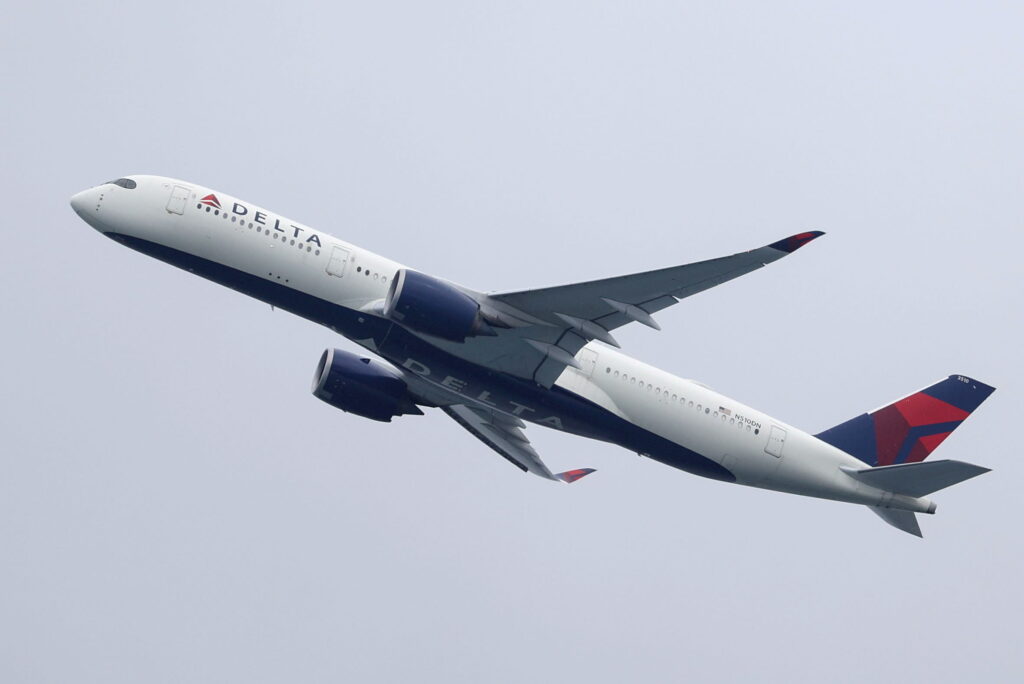
Delta Air Lines had been preparing to launch a nonstop service between Atlanta and Riyadh for months, aiming for an October 23, 2026 start. The flight would have been the first direct commercial link between the United States and Saudi Arabia, a milestone that industry analysts said could open new corridors for business travel, tourism and cargo between the two economies.
The route was part of Delta’s broader strategy to expand its Middle‑East network, complementing its existing connections to Dubai, Doha and Tel Aviv. The airline also highlighted the potential for the flight to serve the sizable African diaspora that frequently transits through Riyadh on the way to Europe or North America, as well as the growing number of African investors eyeing Saudi projects under Vision 2030.
What triggered the postponement
On October 12, 2026, a coordinated attack on King Khalid International Airport in Riyadh caused extensive damage to terminal infrastructure and halted all inbound and outbound flights for several days. Saudi authorities reported that the incident was carried out by an unidentified militant group, and security forces responded with a large‑scale lockdown of the airport complex.
Delta announced on October 13 that, out of an abundance of caution for passenger safety and operational reliability, it would delay the launch of the Atlanta‑Riyadh route until March 2027. The airline said the decision was made after consulting with the U.S. Department of State, the Saudi Civil Aviation Authority and its own safety team.
Why the delay matters for the airline industry
The postponement underscores how geopolitical instability can quickly disrupt airline expansion plans, especially when a new route relies on a single hub. Airlines typically hedge against such risks by diversifying their Middle‑East offerings, but a flagship nonstop service carries symbolic weight that can be damaged by any security breach.
For Delta, the delay means a loss of projected revenue from premium business travelers who were expected to book the route for oil‑industry meetings, Saudi‑American trade delegations and high‑net‑worth tourists. The airline also faces the challenge of re‑booking passengers who had already secured tickets for the October launch, potentially incurring compensation costs and eroding brand confidence.
Implications for African travelers and the diaspora
Riyadh has increasingly become a transit hub for African businesspeople and expatriates heading to Europe or North America. The new Delta service was slated to provide a faster, single‑stop option that would bypass traditional European layovers, reducing travel time for Nigerians, Kenyans and South Africans who frequently travel for education, health care and trade.
The postponement therefore prolongs reliance on longer itineraries that involve multiple connections, raising costs and travel fatigue for African passengers. Moreover, the delay may slow down the momentum of emerging Saudi‑African investment projects, many of which depend on seamless executive travel to negotiate deals under the Kingdom’s diversification agenda.
What comes next: Recovery plans and broader trends
Delta says it will use the additional months to finalize security protocols, secure extra ground‑handling capacity at Riyadh and coordinate with Saudi airlines for code‑share opportunities. The airline also hinted at possible promotional fares for the March launch, aiming to recapture demand that may have shifted to competing carriers such as Emirates or Qatar Airways.
The incident fits a larger pattern of airlines reassessing risk exposure in volatile regions. In the past year, carriers from Europe and Asia have postponed or rerouted flights to Istanbul, Lagos and Nairobi after localized security scares. Observers note that airlines are now investing more in real‑time threat monitoring and flexible scheduling, a shift that could benefit passengers through more resilient service offerings.
Long‑term outlook for US‑Saudi air links
Despite the setback, the strategic importance of a direct US‑Saudi connection remains high. Saudi Arabia’s Vision 2030 blueprint calls for increased tourism and foreign investment, and a nonstop flight from a major US hub is a cornerstone of that plan. When the route finally launches in March 2027, it is likely to attract not only business travelers but also pilgrims heading to the holy cities of Mecca and Medina via a short domestic leg.
Analysts predict that once operational stability is demonstrated, other US carriers may follow suit, potentially turning the Riyadh‑Atlanta corridor into a competitive market segment. For African economies, especially those with strong trade ties to Saudi Arabia, the route could become a catalyst for deeper economic integration and easier access to Saudi capital markets.
Quick Answers
When will Delta's nonstop flight between Atlanta and Riyadh start?
Delta has postponed the launch to March 2027 after the October 2026 attacks on Riyadh's airport.
How does the delay affect African travelers?
It extends travel times and costs for Africans who used Riyadh as a hub, delaying a faster single‑stop option to the United States.
Why did Delta decide to delay the route?
The airline cited passenger safety and operational reliability following the coordinated attack on King Khalid International Airport.
Source: www.cnbc.com




💬 Comments 0