Amnesty Report: Iran’s 2022‑23 ‘Woman, Life, Freedom’ Protests Are Crimes Against Humanity
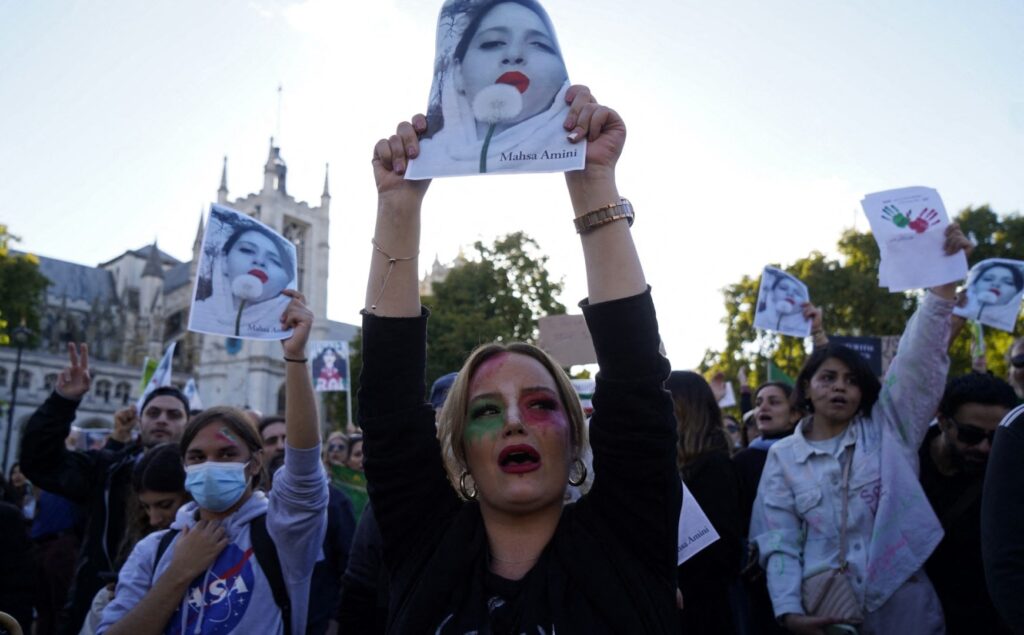
Background: The spark that lit a continent‑wide outcry
In September 2022, the death of Mahsa Amini, a 22‑year‑old Kurdish woman detained for allegedly breaching Iran’s strict dress code, ignited a wave of protests that quickly adopted the slogan “Woman, Life, Freedom”. The chant resonated far beyond Tehran, echoing in streets from Paris to Lagos as citizens demanded an end to compulsory hijab laws and broader political freedoms.
The protests, which lasted into 2023, were met with a harsh state response. Security forces deployed tear gas, live ammunition, and mass arrests, while internet shutdowns attempted to choke the movement’s communication channels. Human‑rights groups estimated that at least 500 people were killed and thousands more detained during the crackdown, though exact figures remain contested.
Amnesty International began documenting the repression in real time, gathering testimonies, medical reports, and satellite imagery. Four years later, the organization released a comprehensive report that categorises the Iranian state’s actions as crimes against humanity, a legal threshold that carries weight in international courts.
The 2024 Amnesty Report: Evidence of crimes against humanity
The report, published in August 2024, outlines a pattern of intentional attacks on civilians that qualify under the Rome Statute’s definition of crimes against humanity. It cites systematic killings, enforced disappearances, and widespread torture of protestors, as well as the targeting of journalists and medical personnel who provided aid to the injured.
Amnesty’s investigators also documented the state’s use of sexual violence as a tool of intimidation, a claim corroborated by dozens of survivor accounts collected across Tehran, Mashhad, and smaller towns in the Kurdish region. The organization argues that these acts were not isolated incidents but part of a coordinated policy aimed at crushing dissent.
Crucially, the report states that senior officials in Iran’s Ministry of Intelligence and the Islamic Revolutionary Guard Corps (IRGC) were directly involved in planning and executing the violent response. This level of command responsibility opens the door for potential prosecutions at the International Criminal Court (ICC), should the court obtain jurisdiction.
Why it matters globally: Setting a precedent for accountability
Labeling the crackdown as crimes against humanity raises the stakes for Iran on the diplomatic stage. While the United Nations has long condemned human‑rights abuses in Tehran, the Amnesty findings give member states a concrete legal basis to push for sanctions, travel bans, or even ICC referrals.
The report also feeds into a broader shift in how the international community treats state‑led repression. In the past decade, similar designations have been applied to Myanmar’s military junta and to the Saudi‑led coalition in Yemen, signalling a growing willingness to invoke universal jurisdiction against powerful regimes.
For activists worldwide, the Amnesty document serves as a blueprint for documenting state violence. Its methodological rigor—combining satellite data, forensic medical analysis, and victim testimonies—offers a template that NGOs in other regions can replicate when confronting authoritarian crackdowns.
African connections: Diaspora, trade, and protest tactics
Iran’s relationship with several African nations, notably Sudan, Ethiopia, and South Africa, adds a layer of relevance for African readers. Tehran supplies military equipment and offers scholarships to students from these countries, creating a network of influence that could be leveraged in diplomatic negotiations over human‑rights concerns.
The Iranian diaspora in Africa, though numerically modest, is active in civil‑society circles. In Nairobi, a coalition of Iranian exiles organized a solidarity march during the 2023 protests, drawing attention to the plight of Iranian women and linking it to local gender‑based violence campaigns. Their efforts underscore how transnational protest cultures can amplify each other’s messages.
Moreover, African protest movements have taken note of the Iranian use of digital tools to bypass censorship. Activists in Nigeria’s #EndSARS protests and Kenya’s #FreeMugabe rallies have adapted similar encrypted messaging apps and decentralized livestreaming tactics, citing the Iranian experience as a learning case.
What’s next: Legal avenues, diplomatic pressure, and civil‑society resilience
The immediate aftermath of the Amnesty report is likely to see a surge in calls for ICC jurisdiction. Although Iran is not a party to the Rome Statute, the UN Security Council could refer the case, a route that has been used for Sudan and Libya. However, geopolitical realities—particularly Russia and China’s veto power—make a UN‑driven referral uncertain.
In the meantime, Western governments have already signalled a tougher stance. The European Union announced a new package of sanctions targeting IRGC commanders named in the report, while the United States is reviewing its own sanctions list to include lower‑level officials implicated in the crackdown.
On the ground, Iranian civil‑society groups are regrouping under the banner of “Women’s Rights Front” and are seeking to document ongoing abuses ahead of any formal legal proceedings. Their resilience suggests that, despite the brutal response, the spirit of “Woman, Life, Freedom” continues to inspire new generations of activists across the Middle East and Africa.
Quick Answers
What did Amnesty International conclude about Iran’s 2022‑23 protests?
Amnesty said Iran’s security forces committed crimes against humanity, including killings, torture, and enforced disappearances, during the ‘Woman, Life, Freedom’ protests.
Can Iran be tried at the International Criminal Court for these crimes?
Iran is not an ICC member, but the court could gain jurisdiction if the UN Security Council refers the case or if a state party accepts jurisdiction over the crimes.
How do the findings affect African countries that have ties with Iran?
The report puts pressure on African governments that host Iranian military or educational cooperation to reassess those links and consider human‑rights conditions in their foreign policy.
Source: www.aljazeera.com


💬 Comments 0