Andy Burnham Calls for End to UK Football Fans Drinking Ban in Stands, 2026
The ban and its history
Since the early 2000s, the Football Licensing Act has prohibited the consumption of alcohol inside stadium terraces during live matches. The rule was introduced after a series of public‑order incidents, with officials arguing that limiting drink sales would curb rowdy behaviour and protect families. Over the years, the ban has become a fixture of the UK’s football culture, even as most pubs and clubs have relaxed their own alcohol policies.
Critics, however, have long argued that the rule is anachronistic. While it applies uniformly across the Premier League, the Championship and lower divisions, the enforcement varies – some clubs allow limited sales in hospitality suites, while the general public remains excluded. The disparity has fuelled a debate about fairness, especially as other European leagues, such as Germany’s Bundesliga, permit fans to enjoy a beer while watching the game.
Andy Burnham’s call for change
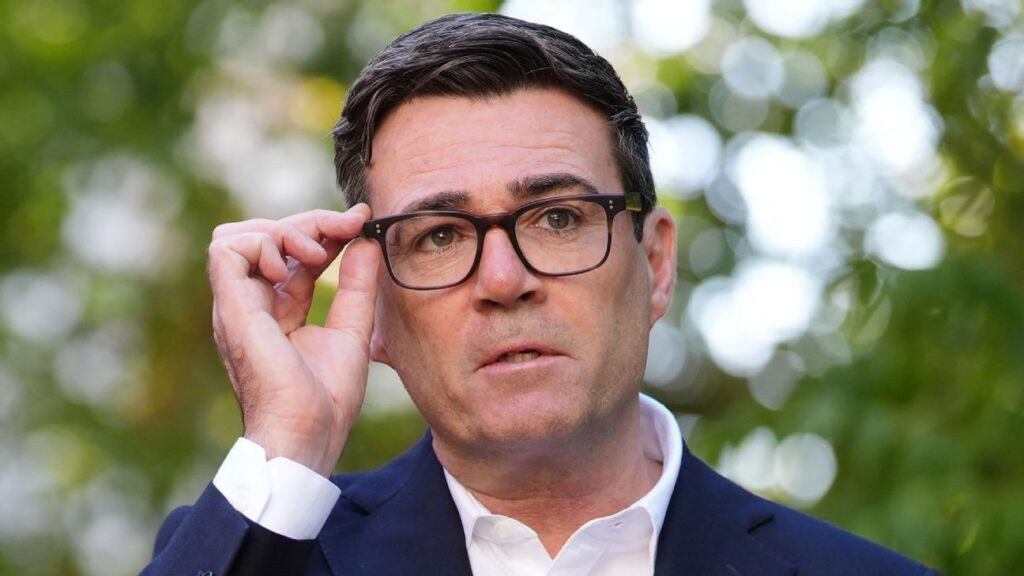
On 23 September 2026, Greater Manchester Mayor Andy Burnham told the BBC that the standing‑area drinking ban was “outdated, discriminatory and should be scrapped”. Burnham, who has a background in sports administration, said the rule penalises working‑class supporters who traditionally gather in the terraces. He added that modern stadium security technology, such as facial‑recognition scanners and real‑time crowd monitoring, makes blanket prohibitions unnecessary.
Burnham’s remarks echo a growing chorus of voices from fan groups, former players and even some club owners. According to a survey by the Football Supporters’ Federation, 62 % of respondents would support a trial allowing controlled alcohol sales in designated stand sections, provided robust safety measures are in‑place.
Why the issue resonates with fans and communities
For many supporters, a beer in the stand is more than a drink – it is part of a ritual that deepens the sense of belonging. The ban has been described by fan organisations as a cultural barrier that separates the stadium experience from the communal atmosphere of local pubs. This is especially true in northern England, where terraces have historically been the heart of working‑class football culture.
The prohibition also raises questions about social equity. Research from the University of Liverpool suggests that fans from higher‑income brackets are more likely to attend matches in hospitality suites where alcohol is permitted, while lower‑income fans are confined to the ban‑only terraces. The resulting divide can reinforce class stereotypes and limit the diversity of match‑day crowds.
Economic and social implications for UK football
From a commercial perspective, lifting the ban could unlock new revenue streams. The Premier League estimates that a modest 5 % increase in per‑head spend on alcohol could add roughly £150 million to annual match‑day revenues across the top two tiers. Smaller clubs, which rely heavily on gate receipts, stand to benefit even more, as a relaxed policy might boost attendance among casual fans who view a drink as part of the entertainment package.
Conversely, there are legitimate safety concerns. The Home Office has warned that alcohol‑related disorder can spike in large crowds if not carefully managed. Any policy shift would therefore need to be paired with stricter licensing controls, staff training, and real‑time monitoring to prevent the very incidents the original ban sought to avoid.
The African diaspora angle: fans, players and market opportunities
London, Manchester and Birmingham host some of the largest African‑origin communities in the UK, and their presence at football matches is increasingly visible. Many African fans travel from diaspora hubs to support both local clubs and national teams during international tournaments. A ban on drinking in the stands can feel like an unnecessary restriction on a group that already navigates multiple cultural expectations – from church‑based abstinence to community‑driven celebrations.
Moreover, African‑owned businesses are beginning to tap into stadium hospitality. Companies such as Nigeria‑based Olam Foods have piloted branded snack stalls at select venues, and a relaxed alcohol policy could encourage similar partnerships with African breweries like South Africa’s SABMiller or Kenya’s East African Breweries. These collaborations would not only diversify stadium concessions but also open export pathways for African brands into the lucrative UK sports market.
What comes next? Policy paths and possible outcomes
The government has not yet signalled an official review, but the Football Association (FA) announced a “consultation window” in October 2026 to gather input from clubs, supporters and safety experts. If the FA recommends a pilot programme, it could be rolled out at a handful of mid‑size stadiums during the 2027‑28 season, allowing data‑driven assessment of crowd behaviour and revenue impact.
Should the trial prove successful, the ban could be lifted nationally, prompting a cascade of changes: revised licensing agreements, new training standards for stewards, and a re‑branding of the match‑day experience to include responsible drinking. If the pilot falters, opponents argue that the status quo will remain, and the debate may shift toward broader reforms such as dynamic pricing or improved family‑friendly zones.
Quick Answers
What is the current UK rule on drinking alcohol in football stands?
The Football Licensing Act prohibits the sale and consumption of alcohol in public terraces during live matches, though it allows limited sales in hospitality suites.
Why does Andy Burnham want the ban removed?
Burnham says the ban is outdated and discriminatory, arguing that modern security tools make blanket prohibitions unnecessary and that lifting it could boost inclusion and revenue.
How could changing the ban affect African diaspora fans in the UK?
A relaxed policy could enhance the match‑day experience for African‑origin supporters, open sponsorship opportunities for African beverage brands, and reduce perceived cultural exclusion.
Source: www.espn.com




💬 Comments 0