Arkansas State Patrol Officer Pulls Passenger’s Hair and Punches Him During 2026 Arrest – What It Means for Police Reform and the African Diaspora
Background: Policing in Arkansas Under Scrutiny
Arkansas State Police (ASP) have long been a focal point in discussions about rural law‑enforcement culture, especially after the 2022 shooting of a Black teenager in Little Rock that sparked statewide protests. The agency’s reputation for a tough‑on‑crime stance often collides with growing calls for transparency and civilian oversight, mirroring national debates after the 2020 George Floyd protests.
In recent years, Arkansas legislators have introduced bills to expand body‑camera usage and create an independent review board, but many of those proposals stalled in the state senate. This legislative inertia has left community activists warning that without enforceable standards, misconduct can persist unchecked.
What Happened: A Disturbing Arrest Captured on Video
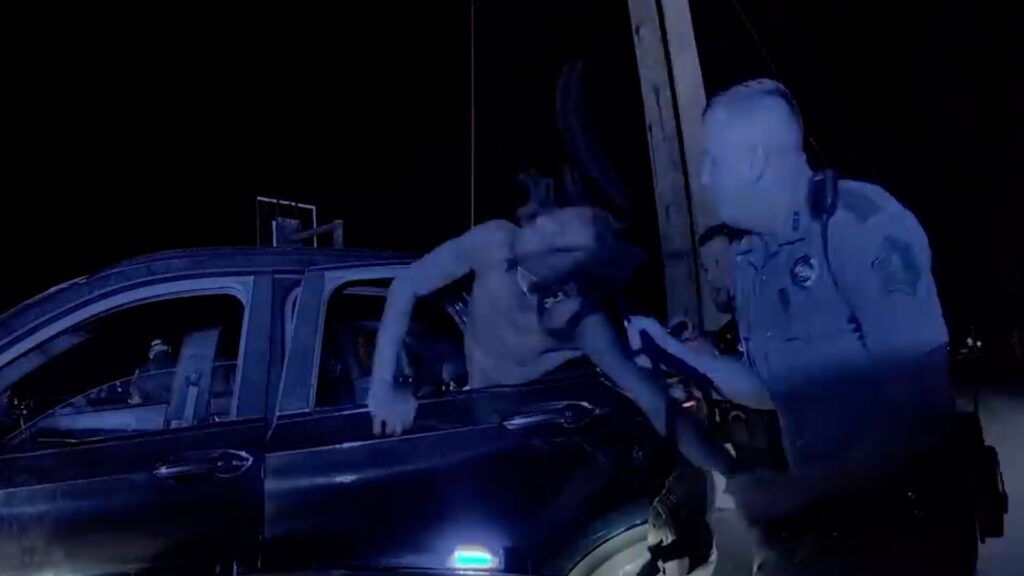
On August 28, 2026, a dash‑cam mounted in an ASP cruiser recorded an officer confronting a vehicle stopped for a routine traffic violation near Little Rock. When the driver’s passenger stepped out, the officer allegedly grabbed the man by the hair and delivered a punch to his face before the suspect was handcuffed.
The footage, first posted on a local news outlet’s Twitter feed, shows the officer’s hand tightening around the passenger’s scalp, followed by a swift, open‑hand strike. The passenger, whose identity has not been released, appears stunned but does not resist further. The video quickly went viral, prompting outrage across social media platforms.
Why It Matters: Trust, Community Safety, and the African American Experience
Incidents like this erode public confidence in law‑enforcement, especially among Black communities that already experience disproportionate policing. According to a 2025 Pew Research Center survey, 62 % of Black Americans say they lack trust in police, a sentiment that spikes after high‑profile abuse cases.
For African immigrants and diaspora members living in the U.S., the visual of a police officer using excessive force resonates with memories of similar incidents back home, where security forces have been accused of brutality. The shared experience can amplify feelings of vulnerability and fuel demands for protective measures that extend beyond the African‑American community.
A Pattern of Misconduct: From Local Stops to National Outcry
The Arkansas episode joins a growing list of recorded police excesses that have surfaced since the proliferation of body‑camera and dash‑cam technology. In 2024, a Minnesota officer was caught slamming a protester’s head against a car, while a 2025 video from Georgia showed an officer striking a suspect with a baton during a routine booking.
These recordings have become powerful tools for activists, journalists, and prosecutors, often prompting internal investigations that would otherwise remain hidden. Yet, despite the visibility, accountability remains uneven; many officers face only administrative leave while the victims pursue civil litigation that can drag on for years.
Implications for the African Diaspora and African Investors
The incident reverberates beyond Arkansas’s borders, influencing how African diaspora members view safety and fairness in the United States. Business councils such as the Africa‑U.S. Trade and Investment Forum have noted that perceptions of law‑and‑order affect decisions on where to locate subsidiaries or host conferences.
Moreover, the episode may impact tourism from African nations. A 2023 study by the World Travel & Tourism Council found that safety concerns rank second only to cost when African travelers choose destinations. News of police brutality can therefore deter potential visitors, affecting local economies that depend on international attendance at cultural festivals and trade expos.
What’s Next: Investigations, Legal Pathways, and Policy Reform
Arkansas State Police have opened an internal‑affairs investigation, and the officer has been placed on administrative leave pending the outcome. Legal experts anticipate that the passenger may file a civil rights lawsuit under 42 U.S.C. § 1983, a route that has yielded sizable settlements in similar cases.
Civil‑rights groups are calling for the state to adopt a mandatory body‑camera policy that records audio and video from the moment an officer makes contact with a civilian. Meanwhile, lawmakers in Little Rock are drafting a bill that would establish an independent civilian review board with subpoena power, a move that could set a precedent for other southern states still resistant to external oversight.
Quick Answers
What did the Arkansas State Patrol officer do during the August 2026 arrest?
The officer grabbed a passenger by the hair and punched him, as captured on dash‑cam video.
Is there an official investigation into the officer’s conduct?
Yes, Arkansas State Police internal affairs opened an investigation and placed the officer on administrative leave.
How could this incident affect African diaspora communities in the U.S.?
It may heighten concerns about police treatment, influence community activism, and affect travel and investment decisions by African nationals.
Source: www.aljazeera.com



💬 Comments 0