At least 17 killed as explosives‑laden vehicle rams Quetta mosque, child among victims – Pakistan attack 2026
Background: Rising sectarian violence in Pakistan
Pakistan has seen a sharp uptick in sectarian attacks over the past two years, with mosques, shrines and police installations becoming frequent targets for militants seeking to inflame Sunni‑Shia divides. The city of Quetta, the capital of Balochistan province, has been a flashpoint because of its mixed ethnic composition and the presence of both extremist Sunni groups and Shia communities. According to the Ministry of Interior, over 150 sectarian incidents were recorded in 2025, a 30 % rise from the previous year.
The security environment is further complicated by the spillover of insurgencies from neighboring Afghanistan, where the Taliban’s tacit tolerance of certain extremist factions has emboldened groups operating across the border. Analysts note that the convergence of local grievances, foreign fighters, and weak law‑enforcement capacity creates a fertile ground for attacks that aim to destabilise civilian life and undermine confidence in the state.
The attack: How a bomb‑laden truck turned a place of worship into a killing field
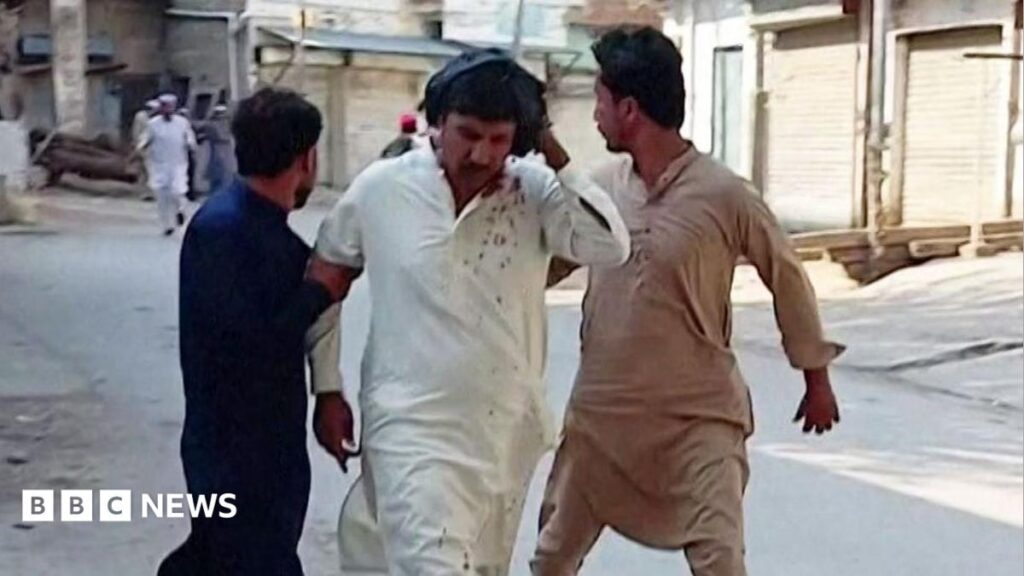
On the morning of 17 September 2026, a white pickup truck packed with high‑explosive material barreled into the main prayer hall of the Al‑Hidayah Mosque in Quetta’s central district. Witnesses say the driver accelerated through a security checkpoint before crashing into the crowded interior, detonating a blast that ripped through the roof and sent shrapnel across the congregation. Emergency services arrived to find at least 17 bodies, including a four‑year‑old child, and dozens more wounded.
Within minutes of the explosion, two gunmen emerged from a nearby police outpost, opening fire on officers before fleeing the scene. The coordinated nature of the assault – a vehicle‑borne IED followed by a small‑arms assault – mirrors tactics used by the Tehrik‑i‑Taliban Pakistan (TTP) in previous attacks on soft targets. Police officials later confirmed that the assailants escaped in a second vehicle, which was recovered later that day near the city’s industrial zone.
Immediate impact: Communities reel, security forces scramble
The loss of life has sent shockwaves through Quetta’s tightly‑knit neighborhoods, where the mosque served not only as a place of worship but also as a community centre for educational programmes and charitable distribution. Families of the victims have gathered at the mosque’s courtyard, demanding swift justice and better protection for places of worship. Local NGOs have launched emergency relief drives, providing food, medical supplies and counselling to those traumatized by the blast.
In response, the provincial government declared a state of emergency in Balochistan, deploying additional paramilitary units to patrol vulnerable sites. The Interior Ministry announced a three‑day lockdown of all major mosques in the province, urging worshippers to attend services online where possible. Meanwhile, the national counter‑terrorism unit has opened a joint investigation with Afghan intelligence agencies to trace the origin of the explosives, a move that underscores the cross‑border dimension of the threat.
Why it matters: Security, diaspora concerns and a broader pattern of attacks on holy sites
Beyond the immediate tragedy, the attack highlights a worrying trend: extremist groups are increasingly targeting religious venues to provoke sectarian retaliation and erode public trust in the state’s ability to protect civilians. Similar tactics have been observed in Nigeria, where Boko Haram and IS‑linked factions have bombed churches and mosques, and in Kenya’s coastal region, where Al‑Shabaab affiliates have struck worshippers. These parallels suggest a shared playbook among jihadist outfits that exploit sacred spaces to amplify fear and media coverage.
For the Pakistani diaspora in Africa – particularly in Kenya, Tanzania and South Africa, where sizeable communities of Pakistani traders and professionals reside – the attack raises security anxieties. Many diaspora members maintain ties with family in Quetta, and the incident has prompted calls for enhanced consular support and real‑time alerts. Moreover, the event could influence bilateral security cooperation; African nations battling home‑grown extremism are likely to watch Pakistan’s response as a case study for counter‑terror strategies that blend intelligence sharing with community‑based resilience programmes.
What’s next: Government response, policy shifts and regional cooperation
Prime Minister Shehbaz Sharif convened an emergency cabinet meeting on 18 September, pledging a “zero‑tolerance” approach to sectarian terrorism. The government plans to fast‑track the pending amendment to the Anti‑Terrorism Act, which would grant law‑enforcement agencies broader powers to detain suspected militants and freeze assets linked to extremist networks. Critics, however, warn that expanded powers risk infringing on civil liberties and could alienate minority communities if not applied judiciously.
On the diplomatic front, Pakistan has signalled readiness to deepen intelligence‑exchange mechanisms with African states that face similar threats. A joint statement released by the ministries of foreign affairs of Pakistan and Nigeria on 19 September emphasised the need for coordinated action against trans‑national extremist financing. Observers note that such partnerships could pave the way for joint training exercises, technology transfer for bomb‑detection, and a shared early‑warning platform that benefits both regions.
Quick Answers
How many people were killed in the Quetta mosque bombing?
At least 17 people, including a four‑year‑old child, died in the attack.
Who is suspected of carrying out the attack on the mosque?
Security officials suspect a faction linked to the Tehrik‑i‑Taliban Pakistan (TTP), though investigations are ongoing.
What impact does the attack have on the Pakistani diaspora in Africa?
The incident has heightened security concerns among Pakistani communities in African countries and may spur stronger consular assistance and joint counter‑terror cooperation.
Source: www.bbc.co.uk


💬 Comments 0