Australian MP critically injured in Melbourne car attack, 2026 – what it means for politics and security
Background: an independent voice in a polarized parliament
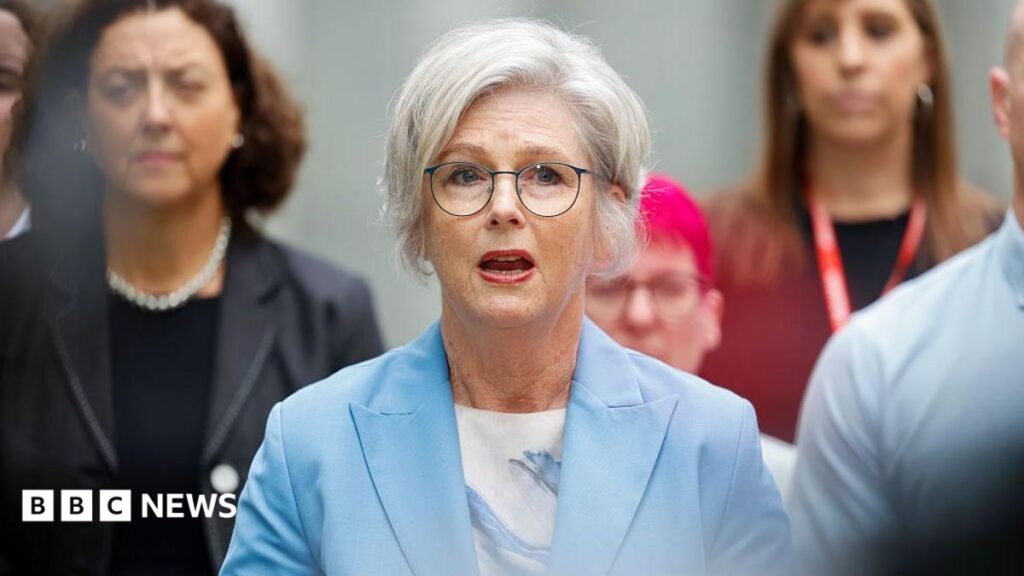
The victim is an independent federal MP who has built a reputation for crossing party lines on issues ranging from climate policy to regional development. Their seat, held since the 2022 election, sits in a marginal electorate that has become a bellwether for swing voters in the southeast.
Australia’s political landscape has grown increasingly fragmented, with independents and minor parties holding the balance of power in the House of Representatives. This makes any threat to an independent member a flashpoint for debates about parliamentary safety and the health of a multi‑party system.
The incident: a car ploughed into the MP on a Melbourne street
On the afternoon of 18 October 2026, the MP was walking along a busy thoroughfare in Melbourne’s inner‑city suburb when a vehicle accelerated and struck them at high speed. Emergency services arrived within minutes and rushed the politician to Royal Melbourne Hospital, where they remain in intensive care.
Prime Minister Anthony Albanese, speaking at a press conference the following day, said the collision “bears the hallmarks of a deliberate attack” and ordered a full police investigation. The driver, who fled the scene, has not yet been identified, according to Victoria Police.
Why it matters: security, democracy and public trust
The attack revives a long‑standing concern that Australian politicians are increasingly vulnerable to violent intimidation. While Australia has a low homicide rate, high‑profile assaults on public figures have risen in the past decade, prompting calls for tighter security protocols at public events and on commuters’ routes.
For a democracy that prides itself on open access to elected officials, the incident forces a reckoning between transparency and safety. If MPs feel unsafe traveling in their own constituencies, voter engagement could suffer, especially in regional and marginal seats where personal contact remains a key campaign tool.
A global pattern: political violence from Nairobi to Washington
The Melbourne attack mirrors a disturbing trend of assaults on legislators worldwide. In the past year, Kenya’s parliament saw a bomb blast targeting a senior MP, while the United States recorded a surge in threats against state lawmakers ahead of mid‑term elections.
African diaspora organisations in Australia have pointed out that the same forces—polarising rhetoric, online hate amplification, and weak enforcement of hate‑crime laws—fuel violence in both continents. According to the African Australian Advocacy Network, the incident underscores the need for a coordinated response that addresses extremist online content across borders.
Reactions from the community and the diaspora
Across Australian social media, users expressed shock and called for swift justice. Prominent journalists and former politicians urged Parliament to review security funding, while opposition leaders demanded an independent inquiry to avoid any perception of political bias.
The African‑Australian community, which has faced its own share of hate‑crimes, issued a joint statement condemning the attack as an attack on democratic participation itself. Leaders of the Nigerian and South African diaspora groups highlighted how violence against elected officials can ripple into minority communities that already feel politically marginalised.
What’s next: investigations, legislation and electoral fallout
Victoria Police have launched a homicide‑style investigation, treating the case as a potential act of terrorism pending further evidence. The federal government has pledged additional resources for MP protection, including a review of travel‑risk assessments for members who frequently meet constituents on foot.
With the next federal election slated for 2028, the incident could become a rallying point for parties advocating tougher law‑and‑order policies. Analysts at the Australian Institute of Politics warn that if the investigation uncovers a politically motivated motive, it may reshape campaign narratives around safety and civic discourse.
Quick Answers
Who was the Australian MP injured in the Melbourne car attack?
The MP is an independent federal member representing a marginal seat in Victoria; their name has not been released publicly pending family and medical privacy.
What did Prime Minister Anthony Albanese say about the incident?
He described the collision as appearing to be a deliberate attack and ordered a full police investigation.
How might this attack affect future Australian elections?
The incident could push parties to prioritise security and law‑and‑order themes, potentially influencing voter sentiment in marginal electorates ahead of the 2028 federal election.
Source: www.bbc.co.uk



💬 Comments 0