Carles Puigdemont cleared to return to Spain after 2026 court ruling lifts arrest warrant
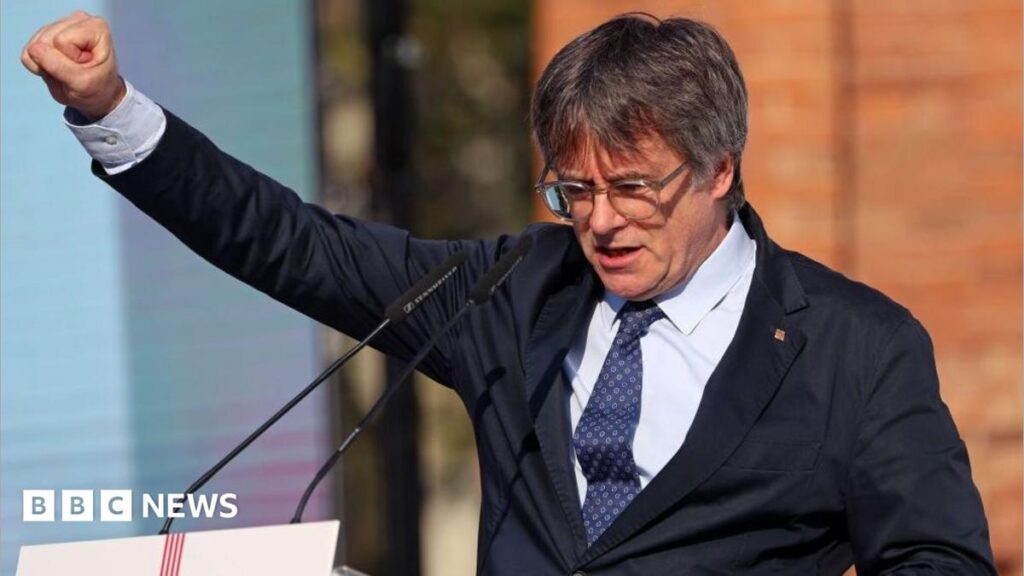
Background and legal battle
The former president of Catalonia, Carles Puigdemont, has been a polarising figure since the 2017 independence referendum that the Spanish government declared illegal. After the vote, Puigdemont fled to Belgium to avoid prosecution, and Spain issued a European Arrest Warrant that has lingered for nearly a decade.
Spanish courts have repeatedly tried to bring Puigdemarg to trial for charges ranging from rebellion to misuse of public funds. The legal saga has been marked by a series of appeals, extradition requests, and political maneuvering, with the European Court of Justice weighing in on procedural issues.
In the meantime, Puigdemont kept a low profile in exile, occasionally addressing Catalan supporters via video calls and maintaining a political party that contests elections from abroad. His case became a litmus test for Spain’s ability to enforce its sovereignty while respecting European judicial standards.
The court's decision and immediate effects
On October 19, 2026, a Spanish high court upheld a lower‑court ruling that lifted the arrest warrant against Puigdemont. The judgment cited procedural irregularities in the original warrant and noted that the charges did not meet the threshold for an international arrest request under EU law.
The decision means that Puigdemont can now travel to Spain without fear of immediate detention, although the underlying criminal investigations remain open. Legal analysts say the court stopped short of granting him full immunity, leaving the door open for future prosecution should new evidence emerge.
The ruling sparked a flurry of media coverage across Europe, with Spanish officials warning that the case is far from over. Meanwhile, Puigdemont’s spokesperson announced that he would consider returning to Barcelona to face the courts, a move that could reignite public protests in the region.
What it means for Spain’s political landscape
Puigdemont’s possible return is likely to reshape the already fragile relationship between Madrid and Barcelona. The Catalan independence movement has lost momentum since the 2019 imprisonment of its leaders, but the symbolic value of Puigdemont’s presence could energise younger activists who see him as a martyr‑like figure.
The Spanish government, led by Prime Minister Pedro Sánchez, has been walking a tightrope between enforcing the rule of law and avoiding a resurgence of separatist violence. Sánchez’s party may now face pressure to either pursue a swift trial to demonstrate authority or to negotiate a political settlement that addresses lingering regional grievances.
Economically, the Catalan region accounts for roughly 20% of Spain’s GDP. Political stability in the area is crucial for foreign investors, many of whom are watching the court’s next steps. A renewed wave of protests could deter investment, especially in sectors like tourism and renewable energy where Catalonia has been a growth engine.
Echoes in African separatist movements
While the Catalan case is a European story, its legal and political reverberations are felt in Africa, where several regions continue to push for autonomy or independence. Observers in Somaliland, Western Sahara, and South Sudan’s Abyei district have pointed to the Spanish courts as a benchmark for how a democratic state can handle secessionist claims without resorting to outright repression.
African scholars note that the European Union’s handling of the Puigdemont saga influences its stance on African self‑determination issues, especially as the EU negotiates trade agreements that include political‑rights clauses. A perception that the EU tolerates peaceful, legally‑driven separatist campaigns could embolden African movements seeking similar recognition.
Diaspora communities in Spain, particularly those from Morocco, Nigeria, and Ghana, also watch the case closely. For many, the treatment of a high‑profile political exile informs how they view Spain’s broader approach to migrants and minority groups, shaping public opinion in both the host country and their home nations.
Looking ahead – regional and international repercussions
The next few months will determine whether Puigdemont’s return becomes a catalyst for dialogue or a flashpoint for renewed unrest. Legal experts predict that the Spanish prosecutor’s office will file new charges within weeks, potentially leading to a high‑profile trial that could dominate national headlines through 2027.
Internationally, the case tests the limits of EU judicial cooperation. If Spain proceeds with a prosecution that European courts deem politically motivated, it could trigger a diplomatic row with Belgium and other EU members that have previously granted Puigdemont safe‑haven status.
For African investors and policymakers, the outcome offers a cautionary tale about the interplay between regional autonomy movements and national stability. Companies with exposure to Spanish markets may need to monitor political risk indicators, while African governments could cite the Spanish experience when negotiating autonomy arrangements with their own minority regions.
Quick Answers
Can Carles Puigdemont return to Spain after the 2026 court ruling?
Yes, the Spanish high court lifted the arrest warrant, allowing him to travel to Spain without immediate detention.
What charges does Puigdemont still face in Spain?
He remains under investigation for rebellion, misuse of public funds and related offences, though the court did not grant him full immunity.
How might the ruling affect African separatist movements?
African groups see the case as a reference for peaceful, legally‑driven bids for autonomy, influencing how the EU and African states approach self‑determination debates.
Source: www.bbc.co.uk




💬 Comments 0