Australia’s AI Data Centre Surge in 2026: Jobs, Energy Strain and What It Means for Africa
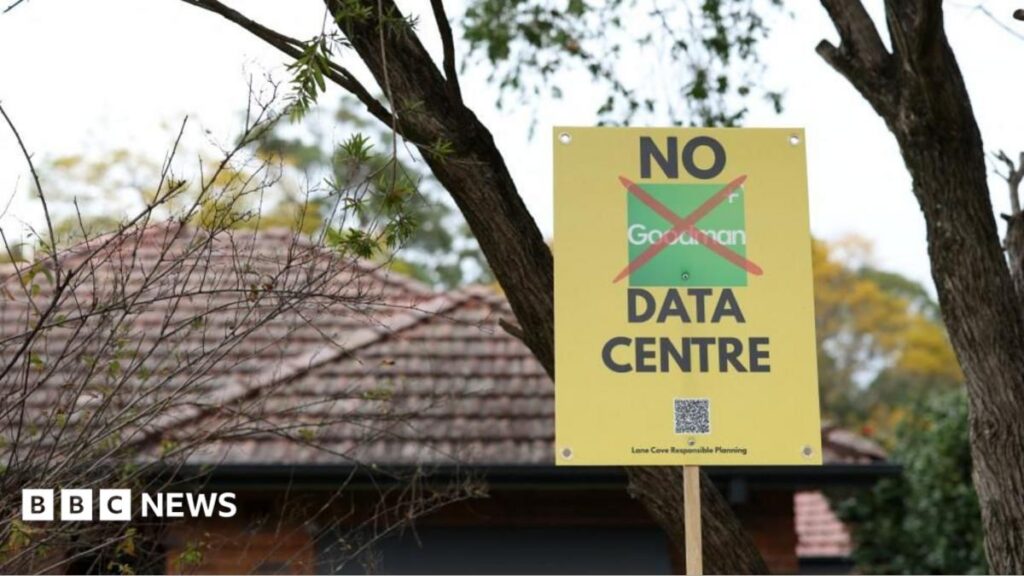
Why Australia Is Becoming a Hotspot for AI‑Powered Data Centres
In the past 18 months, Australia has seen a wave of approvals for AI‑focused data centres, with projects in New South Wales, Victoria and Western Australia collectively promising more than 2 GW of new compute capacity. The surge is driven by a combination of generous tax incentives, a stable political climate and a growing pool of renewable‑energy projects that developers claim can power the massive servers without spiking carbon emissions.
The Australian government’s 2024 "Digital Infrastructure Acceleration" package earmarked AU$1.5 billion for high‑performance computing hubs, positioning the country as a gateway to the Asia‑Pacific market. Multinationals such as Nvidia, Google and a handful of Chinese firms have already signed memoranda of understanding with local partners, citing the nation’s reliable grid and proximity to under‑sea cable landing stations as strategic advantages.
The Resource Debate: Energy, Water and Indigenous Land Rights
Critics argue that the promised economic boost masks a looming resource crunch. AI servers consume vast amounts of electricity and, more often overlooked, water for cooling. A recent report by the Australian Conservation Foundation warned that the new facilities could increase national electricity demand by up to 5 percent by 2030, pressuring an already tight renewable‑energy supply chain.
Indigenous groups in the Northern Territory have also raised concerns that several proposed sites sit on sacred land and on water catchments that support remote communities. According to a statement from the Central Land Council, the lack of meaningful consultation could trigger legal challenges that delay construction and raise the overall cost of the projects.
Implications for African Tech Ecosystems and the Diaspora
The Australian boom is not an isolated phenomenon; it mirrors a global scramble for AI compute capacity that includes Africa’s emerging data‑centre market. South Africa’s Naspers and Kenya’s Safaricom have both announced plans to expand their own AI‑ready facilities, but they face stricter power constraints and higher financing costs. Australian firms, flush with government subsidies, could become attractive partners for African operators seeking to tap into cheaper renewable energy sources.
Diaspora tech entrepreneurs are already eyeing the gap. A Nairobi‑based startup, CloudBridge Africa, is in talks with an Australian solar developer to co‑locate a hyperscale AI cluster on the outskirts of Perth, leveraging the region’s abundant wind and solar generation. If realised, the partnership could create a pipeline of affordable compute for African AI research, while providing Australian investors with a foothold in a market projected to grow 30 percent annually through 2035.
Economic Promises vs. Reality: Job Creation and Local Benefits
Proponents of the data‑centre expansion point to the creation of 8,000 direct jobs and an additional 15,000 indirect positions in construction, maintenance and renewable‑energy supply chains. However, labour market analysts caution that many of these roles require specialised skills that are scarce locally. A 2025 study by the Australian Institute of Employment Research found that only 12 percent of the new hires in similar projects were Australian‑born, with the rest filled by expatriates or remote workers.
Community leaders in regional towns such as Tamworth and Kalgoorlie argue that the promised trickle‑down benefits could be offset by rising property prices and strained local services. They call for stronger localisation clauses in the subsidy agreements, similar to those enforced in Canada’s recent data‑centre incentive program, to ensure that a larger share of the payroll stays within the host communities.
What Comes Next? Regulation, Competition and the Path to Sustainable AI
The Australian Competition and Consumer Commission (ACCC) has announced a review of the tax‑break framework, aiming to tighten eligibility criteria and introduce sustainability benchmarks tied to actual renewable‑energy procurement. If passed, developers will need to demonstrate that at least 70 percent of their power comes from verified green sources within two years of operation—a figure that aligns with the International Energy Agency’s recommendations for AI compute.
Globally, the race to host AI infrastructure is heating up, with the United States, Europe and China each tightening environmental reporting requirements. Australia’s next move will likely determine whether it can attract long‑term investment without compromising its climate goals. For African stakeholders, the outcome will signal whether cross‑continent collaborations can be built on a foundation of shared sustainability standards, or whether they will remain a series of isolated, resource‑intensive projects.
Quick Answers
How many AI data centres are planned in Australia for 2026?
Around 12 major AI‑focused data centres are slated for construction, representing over 2 GW of compute capacity.
Will the Australian AI data centre boom create jobs for locals?
Estimates suggest up to 8,000 direct jobs, but most technical positions currently require overseas talent, prompting calls for stronger localisation policies.
Can African tech firms benefit from Australia's AI data centre expansion?
Yes; partnerships with Australian renewable‑energy providers could give African startups access to affordable, green compute power while opening new investment channels for diaspora entrepreneurs.
Source: www.bbc.co.uk




💬 Comments 0