2026 Nepal Tunnel Rescue: Drones and Rafts Search for Survivors After Floods
Background: The monsoon deluge that turned a tunnel into a disaster zone
In early September 2026, an unprecedented bout of monsoon rain hammered the trans‑Himalayan corridor that links Nepal and the Tibet Autonomous Region of China. Rivers swollen beyond their banks breached levees, sweeping away villages and infrastructure across the Karnali and Bhotekoshi valleys. Among the worst‑hit sites was a 1.2‑kilometre vehicular tunnel that cuts through the steep terrain near the border, a critical artery for trade and tourism.
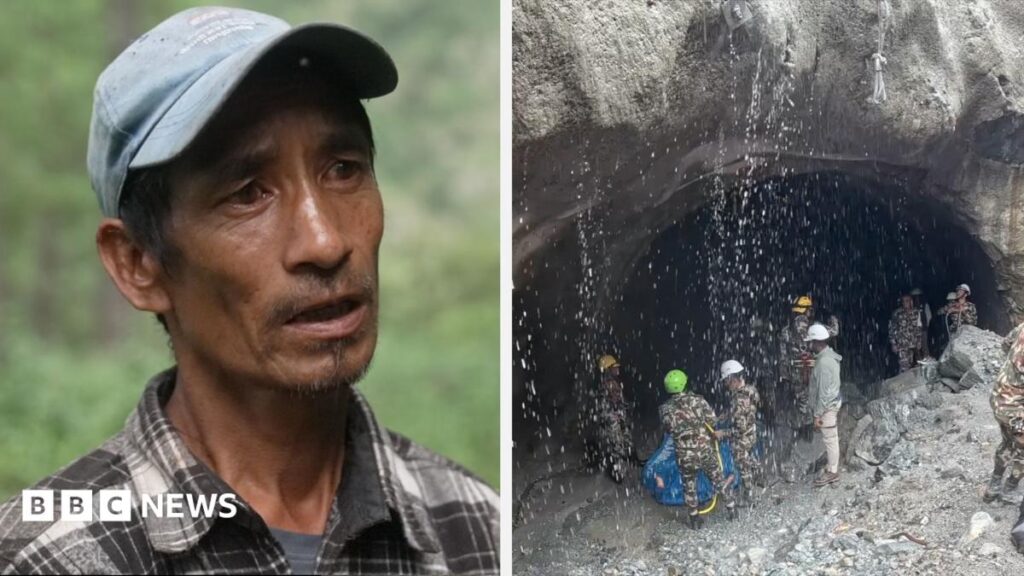
The torrent of water and landslides caused the tunnel’s entrance to collapse, trapping dozens of commuters, truck drivers and aid workers inside. Initial reports from local officials suggested that at least 40 people were inside when the tunnel caved in, but the exact number remains unclear because many of the vehicles were unregistered and the area is a hub for informal cross‑border traffic.
The disaster unfolded against a backdrop of climate‑related extremes that scientists say are becoming more frequent in South Asia. A recent study by the International Centre for Integrated Mountain Development warned that warming temperatures are intensifying monsoon rains, raising the probability of flash floods and landslides in the Himalayan foothills.
The rescue effort: Rafts, drones and a race against time
Within hours of the collapse, Nepal’s National Disaster Risk Reduction and Management Authority (NDRRMA) mobilised a mixed team of army engineers, local volunteers and international NGOs. Because road access was cut off, rescuers turned to the river that had surged through the tunnel’s entrance, deploying inflatable rafts to ferry rescuers and equipment downstream.
A key piece of technology in the operation has been a fleet of lightweight drones supplied by a Japanese humanitarian tech firm. The drones, equipped with thermal imaging, are scanning the tunnel’s interior for heat signatures that could indicate survivors. According to NDRRMA spokesperson Laxmi Shrestha, the drones have already identified three hot spots, prompting targeted rope‑and‑winch extractions.
Despite the high‑tech assistance, the operation faces severe challenges. The tunnel’s interior is littered with debris, and the water level remains volatile, rising and falling with the river’s flow. Rescue workers also have to contend with the risk of further landslides, which could seal off any remaining entry points.
Why it matters: Humanitarian, environmental and geopolitical stakes
The immediate concern is, of course, saving lives. The World Health Organization has warned that prolonged exposure to cold, flood‑contaminated water can trigger hypothermia and water‑borne diseases, especially among children and the elderly. Moreover, the tunnel is a lifeline for remote Himalayan communities that depend on it for medical supplies and market access.
Beyond the human toll, the disaster underscores how climate‑induced hazards are reshaping South Asian infrastructure. The tunnel, built in the 1990s, was not designed for the magnitude of rainfall now recorded in the region. Experts say that without substantial retrofitting, similar structures across the Himalayas could become recurrent points of failure.
Geopolitically, the incident is a flashpoint for Nepal‑China relations. The tunnel lies on a trade route that China has earmarked for its Belt and Road Initiative. While both governments have pledged joint rescue operations, there are underlying tensions about who will fund the costly reconstruction and whether new engineering standards will be imposed.
African parallels: Flood response lessons and technology transfer
African nations are watching the Nepal rescue closely because many face analogous flood threats. In 2024, Mozambique’s Zambezi basin experienced record flooding that left thousands stranded, prompting calls for more agile rescue tools. Drone‑based search‑and‑rescue, as demonstrated in Nepal, is already being piloted in Kenya’s Rift Valley, but widespread adoption is hampered by cost and regulatory hurdles.
The success of the Japanese‑donated drones could spur similar partnerships on the continent. According to a report by the African Development Bank, scaling affordable drone technology could cut search times by up to 60 % in flood‑prone regions, a statistic that resonates with the urgent timelines in Nepal.
The Nepali diaspora in Africa, though modest in size, has begun organising small fundraising drives in Nairobi and Johannesburg to send additional life‑vests and portable pumps. Such grassroots contributions illustrate how diaspora networks can complement official aid, a pattern also seen during the 2022 floods in Ghana where overseas communities mobilised resources swiftly.
What’s next: Reconstruction, policy shifts and the role of climate finance
In the weeks ahead, the focus will shift from rescue to recovery. Nepal’s Ministry of Infrastructure has announced a preliminary plan to rebuild the tunnel to higher flood‑resilience standards, incorporating flood‑gate mechanisms and reinforced linings. Funding is expected to come from a blend of national budget allocations, World Bank disaster‑risk loans, and contributions from China’s Asian Infrastructure Investment Bank.
Policy experts argue that this tragedy could accelerate Nepal’s integration of climate‑risk assessments into all major infrastructure projects. A draft amendment to the country's Disaster Management Act, currently under parliamentary review, would mandate climate impact studies before any new road or tunnel construction.
International climate finance mechanisms, such as the Green Climate Fund, are also being eyed. If Nepal can secure green funding for the tunnel’s reconstruction, it would set a precedent for other vulnerable nations to tie disaster‑recovery projects to climate‑adaptation goals, a model that could be replicated in flood‑hit African states like Sudan and Ethiopia.
Quick Answers
How many people are believed to be trapped in the Nepal tunnel?
Initial estimates suggest up to 40 individuals were inside when the tunnel collapsed, but the exact number remains uncertain.
What technology is being used to locate survivors in the tunnel?
Rescuers are employing thermal‑imaging drones to scan the tunnel for heat signatures that could indicate living victims.
Why is the Nepal tunnel collapse relevant to African flood response?
The use of drones and rapid‑deployment rafts offers a model that African countries facing similar flood emergencies can adopt to improve rescue speed and effectiveness.
Source: www.bbc.co.uk




💬 Comments 0