Bangkok declares disaster as 2026 heavy rains trigger worst flooding in a decade
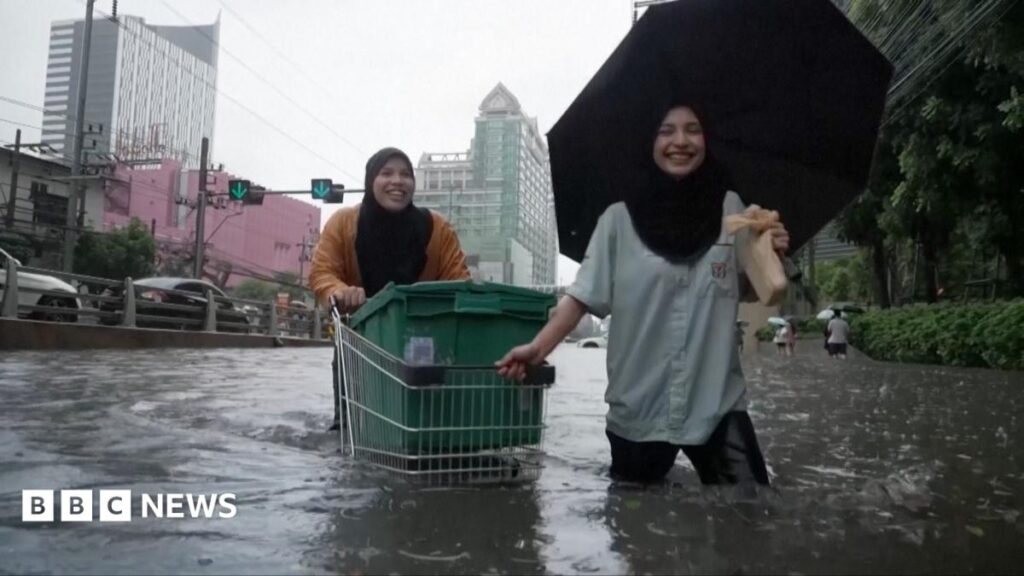
A city built on water, now under siege
Bangkok has long been called the "Venice of the East" because its low-lying terrain sits just a few metres above sea level and is interlaced with canals that once served as the city’s lifelines. Over the past 40 years, rapid urbanisation has replaced many of those waterways with concrete, reducing natural drainage and amplifying the impact of any heavy downpour. Climate scientists warn that rising sea levels and a warming Indian Ocean are already nudging monsoon patterns toward more intense, erratic bursts of rain.
The Thai government’s disaster‑risk maps, last updated in 2015, already flagged several districts as high‑risk zones. Yet the city’s expansion continued unabated, with new residential towers and commercial complexes erected on reclaimed land. As a result, the infrastructure that once helped Bangkok absorb floodwaters is now overwhelmed, setting the stage for the calamity that unfolded in September 2026.
The September deluge and the disaster declaration
From September 20 to 24, the capital experienced near‑continuous rain, with the Meteorological Department recording a cumulative 420 mm of precipitation – more than twice the city’s monthly average. Rivers that snake through the metropolis, such as the Chao Phraya and the Bang Krachao, burst their banks, inundating streets, subway stations, and low‑lying neighbourhoods. By the morning of September 25, the Ministry of Interior officially declared a state of disaster, unlocking emergency funds and allowing the military to assist with evacuations.
The immediate human toll was stark: over 150,000 residents were displaced, schools in 27 districts were closed, and traffic on the city’s famed sky‑train halted for three days. Small businesses, especially street‑food vendors who form the backbone of Bangkok’s culinary tourism, reported losses amounting to billions of baht. Insurance claims surged, and the Thai Baht slipped slightly against the dollar as investors reacted to the growing uncertainty.
Why the flood matters for Africa and the diaspora
Thailand is a major exporter of rice, seafood, and automotive parts – commodities that feature prominently in African markets. The flood disrupted the Port of Laem Chabang, Thailand’s largest deep‑water hub, delaying shipments to West African ports such as Lagos and Abidjan. Traders in Ghana’s Accra market, for example, reported a 12 % rise in Thai rice prices within a week of the disaster, a ripple that could affect food‑security calculations across the Sahel.
A smaller but growing community of African students, entrepreneurs, and digital nomads lives in Bangkok. Universities such as Chulalongkorn host sizable cohorts from Nigeria, Kenya, and South Africa. The flooding forced many campuses to shift to online learning, delaying research collaborations that often involve African institutions. Moreover, African‑run cafés and co‑working spaces that serve as cultural hubs for the diaspora faced prolonged closures, cutting off a vital support network for newcomers.
A pattern of extreme weather in megacities – lessons for Lagos, Nairobi and beyond
Bangkok’s crisis is not isolated. In the past decade, megacities across the Global South – from Lagos’s monsoon swamps to Nairobi’s flash floods – have struggled with the same mix of rapid growth and inadequate drainage. A 2024 World Bank report linked the frequency of urban floods to three factors: climate‑driven precipitation spikes, loss of permeable surfaces, and under‑investment in resilient infrastructure. The Thai experience underscores how quickly a single weather event can translate into a multi‑billion‑dollar economic shock.
African city planners are watching Bangkok’s response closely. The Thai government has pledged a 150‑billion‑baht (≈ US$4.3 billion) “Green Flood Resilience” fund, earmarking money for pump stations, riverbank reinforcement, and a pilot “smart water‑level” sensor network. Similar financing models are being discussed in the African Development Bank’s “Urban Climate Resilience” initiative, where Lagos officials have cited Bangkok’s data‑sharing platform as a template for their own flood‑early‑warning system.
What comes next – policy, finance and regional cooperation
In the short term, Thailand’s cabinet announced a three‑phase recovery plan: immediate relief for displaced families, rapid repair of critical transport arteries, and a longer‑term overhaul of the city’s drainage grid. International donors, including Japan’s JICA and the United Nations Development Programme, have offered technical assistance to accelerate the redesign of Bangkok’s floodplain, a move that could set a precedent for cross‑regional climate‑finance collaboration.
For African stakeholders, the key takeaway is the urgency of integrating climate risk into trade and diaspora policy. Exporters should diversify supply chains to mitigate single‑point failures, while diaspora organisations can lobby host governments for stronger emergency‑response frameworks that protect foreign‑resident communities. As Bangkok rebuilds, the city’s experience may become a case study in how the Global South can collectively fund and share resilient infrastructure solutions.
Quick Answers
How many people were displaced by the September 2026 Bangkok floods?
More than 150,000 residents were forced to leave their homes, according to Thailand’s Ministry of Interior.
Why could the Bangkok floods affect food prices in West Africa?
The floods disrupted Thailand’s main export ports, delaying shipments of rice and seafood that many West African countries import.
What lessons are African cities taking from Bangkok’s disaster response?
Cities like Lagos and Nairobi are looking at Bangkok’s planned investment in smart drainage and flood‑early‑warning systems to inform their own climate‑resilience projects.
Source: www.bbc.co.uk


💬 Comments 0