British national among six dead in Athens Acropolis gas explosion, 2026
Background: A tragic blast near a world‑heritage site
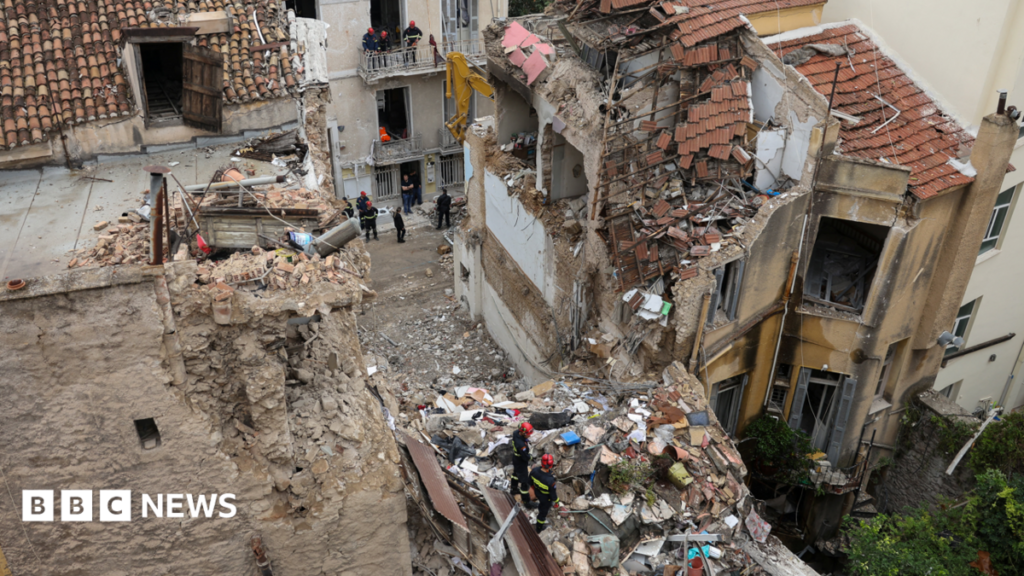
On the morning of September 26, 2026, a powerful explosion ripped through a multi‑storey building on Vasilissis Sofias Avenue, a stone’s throw from the iconic Acropolis. The blast, which officials quickly identified as a suspected gas leak, sent a plume of smoke into the sky and shattered windows across the historic district. Emergency crews, including firefighters, police, and medical teams, converged on the scene within minutes, working through debris to locate survivors.
The building housed a mixture of residential apartments, a ground‑floor café, and office spaces, reflecting the dense, mixed‑use character of central Athens. While the exact cause of the leak is still under investigation, similar incidents in Europe over the past decade have often been traced to aging pipelines, inadequate maintenance, or illegal modifications to gas installations. Greece’s ageing infrastructure has been a recurring concern, especially after the 2021 earthquake that exposed vulnerabilities in the country’s utility networks.
Tourism is a lifeline for Greece, with the Acropolis alone drawing over three million visitors annually, according to the Greek Ministry of Tourism. Any incident that threatens the safety perception of the area can ripple through the broader economy, affecting hotels, restaurants, and local vendors that depend on the steady flow of tourists.
What happened: Six fatalities and a multinational victim list
Rescue teams confirmed six people lost their lives in the explosion: four Americans, one Greek citizen, and a British national whose identity was later released as 34‑year‑old James Whitaker. Several others suffered serious injuries, including burns and shrapnel wounds, and were rushed to nearby hospitals for treatment. The British consulate in Athens dispatched officials to assist Whitaker’s family and to coordinate with Greek authorities on the investigation.
Witnesses described a deafening roar followed by a wave of heat that forced people onto the street. “It felt like a bomb went off,” said Maria Papadopoulou, a shopkeeper whose storefront was shattered by the blast. Police sealed off the area for safety while engineers began testing the gas lines for residual pressure, a standard protocol after such incidents.
In the hours after the explosion, Greek Prime Minister Kyriakos Mitsotakis addressed the nation, expressing condolences and pledging a thorough inquiry. The government also ordered an immediate safety audit of all gas‑fitted buildings within a two‑kilometre radius of the Acropolis, a move aimed at preventing a repeat of the tragedy.
Why it matters: Safety, tourism and diplomatic fallout
The incident underscores a growing anxiety about building safety in historic European cities where centuries‑old structures coexist with modern utilities. For Greece, the stakes are high: the tourism sector contributed roughly 20% of national GDP in 2025, according to the World Travel & Tourism Council. A perceived risk around the Acropolis could deter not only Western visitors but also the rising number of African tourists, who accounted for 7% of arrivals to Greece last year, a figure reported by the Greek Tourism Ministry.
The presence of a British national among the dead adds a diplomatic dimension. The United Kingdom’s Foreign, Commonwealth & Development Office (FCDO) typically issues travel advisories after high‑profile incidents, and early indications suggest a temporary advisory may be issued for central Athens. Such advisories can influence travel booking patterns, especially among diaspora communities in the UK who often combine trips to Greece with visits to family in other European countries.
From an economic perspective, the explosion could affect airline routes, hotel occupancy rates, and the revenue of local businesses that cater to both European and African tourists. In the past, similar safety scares have led to a dip of up to 12% in visitor numbers during the following month, as observed after the 2019 gas leak in Barcelona’s Gothic Quarter.
Reactions: Government, families and the diaspora
Greek officials have promised a transparent investigation, with the Hellenic Police’s Technical Crime Unit taking charge. The Interior Ministry announced a €2 million fund to support families of the victims, a measure intended to ease immediate financial pressures while the legal process unfolds. The British High Commission in Athens released a statement expressing “deep sorrow” and confirming that consular assistance is being provided to Whitaker’s relatives.
Family members of the American victims have reached out to the U.S. Embassy, requesting assistance with repatriation and counseling services. The embassy’s spokesperson, according to a press release, is coordinating with local authorities to ensure that all procedural steps respect the wishes of the families.
African diaspora groups in Greece, such as the Nigerian Community Association in Athens, issued a joint statement urging the government to accelerate safety checks in neighbourhoods with high immigrant populations. They highlighted that many African migrants work in construction and maintenance, sectors directly impacted by gas‑line safety standards. Their call reflects a broader concern that infrastructure failures disproportionately affect low‑income and migrant communities.
What’s next: Investigations, policy reforms and travel outlook
The technical investigation is expected to take several weeks, with a preliminary report due to the Ministry of Environment and Energy by the end of October. Early experts suggest that improper pipe fittings or illegal tampering could be at fault, but the final cause will only be confirmed after forensic analysis of the gas line remnants.
In the longer term, the Greek government has signalled plans to modernise its gas distribution network, a project estimated to cost €1.5 billion and slated for completion by 2032. Funding is expected to come from a mix of EU cohesion funds and private investment, with a focus on retrofitting older buildings in historic districts.
Travel agencies catering to both European and African markets are already adjusting itineraries, offering alternative destinations while the Acropolis area remains under heightened security. The UK’s FCDO is expected to update its travel advice within the next 48 hours, a step that will likely influence booking decisions for British and diaspora travellers alike. For now, the incident serves as a stark reminder that safety in heritage zones is not just a local issue but a concern that reverberates across continents.
Quick Answers
Who were the victims of the Athens gas explosion?
Six people died: four Americans, one Greek citizen, and a British national, James Whitaker.
How might the explosion affect tourism in Greece?
Safety concerns could lower visitor numbers, especially to the Acropolis area, potentially cutting tourism revenue by up to 12% in the short term.
What steps is the Greek government taking after the blast?
Authorities have ordered safety audits of nearby gas‑fitted buildings, pledged a €2 million aid fund for victims' families, and announced a multi‑billion‑euro plan to modernise the gas network.
Source: www.bbc.co.uk




💬 Comments 0