Bayern’s Musiala health talks mark new player‑welfare era, raise hopes for Nigeria 2026
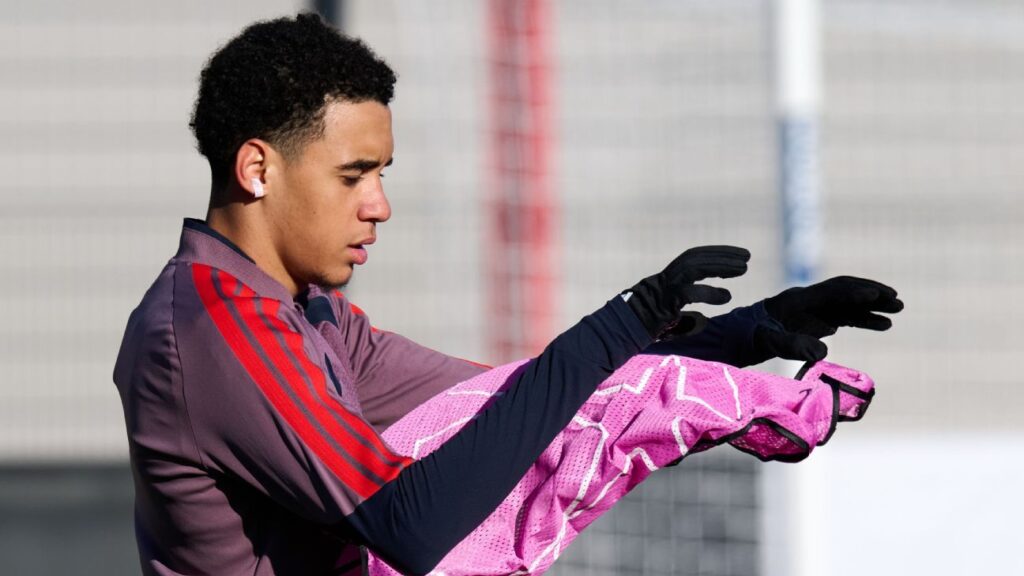
Background: Musiala’s meteoric rise and his dual heritage
Jamal Musiala, the 22‑year‑old attacking midfielder, burst onto the senior scene for Bayern Munich in 2020 and has since become one of Europe’s most coveted talents, tallying over 70 goals and assists across Bundesliga and Champions League competitions.
Born in Stuttgart to a German mother and a Nigerian father, Musiala holds both German and Nigerian passports. While he has represented Germany at every youth level and earned senior caps, the option to switch allegiance to Nigeria remains technically open under FIFA rules until he plays a competitive senior match.
Bayern, the German giant that has dominated the domestic league for a decade, has built a reputation for nurturing young stars. Yet the club’s recent focus on player health, especially after several high‑profile injuries, signals a shift from the traditional “play‑through‑pain” mentality that once defined elite football.
The meeting: Health, not wages, at the centre of talks
On Tuesday, Bayern officials sat down with Musiala’s representatives in a closed‑door session that, according to German sports outlet Kicker, centred on the midfielder’s medical status rather than a contract extension or salary increase.
Sources close to the club say Bayern’s medical team presented a detailed recovery plan after Musiala missed several weeks with a lingering hamstring issue earlier this season. The plan includes individualized physiotherapy, load‑management software, and a guaranteed rest period before any return to full training.
Musiala’s agents, led by former player‑turned‑agent Ralf Rangnick, reportedly welcomed the transparency, noting that the German club’s willingness to prioritize long‑term health over immediate on‑field contributions is “unusual among Europe’s top five leagues.”
Why it matters: A new paradigm for player welfare and market dynamics
The emphasis on health over money reflects a broader trend where clubs are factoring medical risk into contract negotiations. A study from the International Centre for Sports Studies (CIES) released in 2025 found that clubs that integrate advanced health monitoring see a 12 % reduction in injury‑related costs over five years.
For Bayern, safeguarding Musiala’s fitness protects a potential €120 million resale value. In a market where transfer fees have inflated dramatically, a star’s injury history can depress price tags by up to 30 %, according to Deloitte’s 2026 football finance report.
The meeting also sets a precedent for other clubs dealing with young stars who have high commercial value but are prone to recurring soft‑tissue injuries. If Bayern’s approach proves successful, we may see a wave of “health‑first” clauses in future contracts across Europe.
African connection: What Musiala’s situation means for Nigeria and the diaspora
Musiala’s Nigerian lineage has kept the Super Eagles’ supporters hopeful that the player could one day don the green jersey. The Nigerian Football Federation (NFF) has publicly expressed interest in securing his allegiance, especially as the nation prepares for the 2026 World Cup qualifiers.
Diaspora analysts argue that Musiala’s visibility in Europe could inspire a new generation of Nigerian‑German youngsters to pursue football professionally, thereby widening the talent pool for both nations. A recent survey by the African Football Migration Institute showed a 27 % increase in dual‑national players considering Nigeria after high‑profile cases like Musiala’s.
Moreover, Bayern’s health‑centred dialogue may influence how African clubs negotiate with their own prodigies. If clubs in Nigeria or South Africa adopt similar medical‑first contracts, it could improve player longevity and attract more European interest, ultimately boosting the continent’s football economy.
Reactions: Fans, pundits and the business side weigh in
German fan forums reacted positively, with many praising Bayern for “putting a player’s future ahead of short‑term titles.” In contrast, a vocal minority on social media argued that the club should push for a performance‑based contract to protect its investment.
African sports journalists, particularly from TheCable and Pulse Sports, highlighted the missed opportunity for the NFF to secure Musiala sooner, warning that a prolonged stay with Germany could diminish Nigeria’s chances of a star‑laden squad for the 2026 World Cup.
From a business perspective, sponsors such as Adidas and Telekom have taken note. Both companies have launched campaigns linking player health to brand responsibility, and they are reportedly in talks with Bayern to co‑fund Musiala’s bespoke rehabilitation program.
What’s next: Scenarios for Musiala, Bayern and Nigerian football
If Musiala follows the proposed health roadmap, Bayern expects him to return to full training by late January 2027, positioning the midfielder for a decisive role in the club’s title defence. A successful comeback could trigger a contract renewal with performance bonuses tied to minutes played rather than flat wages.
Should the medical plan stall, Bayern may explore a loan move to a club with a lighter schedule, a strategy used previously with Leroy Sané in 2024. Such a move would keep Musiala in Europe while giving him the time needed to regain full fitness.
For Nigeria, the clock is ticking. The NFF’s technical director, Augustine Eguavoen, has hinted at an accelerated outreach programme that could involve a friendly match between Bayern’s youth side and a Nigerian U‑23 team, designed to showcase Musiala’s cultural ties and possibly sway his decision before the next FIFA eligibility deadline in March 2027.
Quick Answers
Why is Bayern focusing on Musiala’s health instead of his salary?
Bayern wants to protect Musiala’s long‑term value and reduce injury‑related costs, a strategy that aligns with a growing industry trend of health‑first contracts.
Can Jamal Musiala still play for Nigeria despite his German caps?
Yes, because he has not yet appeared in a competitive senior match for Germany, FIFA rules allow him to switch allegiance to Nigeria.
What impact could Musiala’s health plan have on African football clubs?
If European clubs prove that health‑first contracts improve player longevity, African clubs may adopt similar clauses, boosting player welfare and marketability.
Source: www.espn.com



💬 Comments 0