Man United overturn Leny Yoro’s red card vs Liverpool 2026 after successful appeal
Background: the incident and the appeal
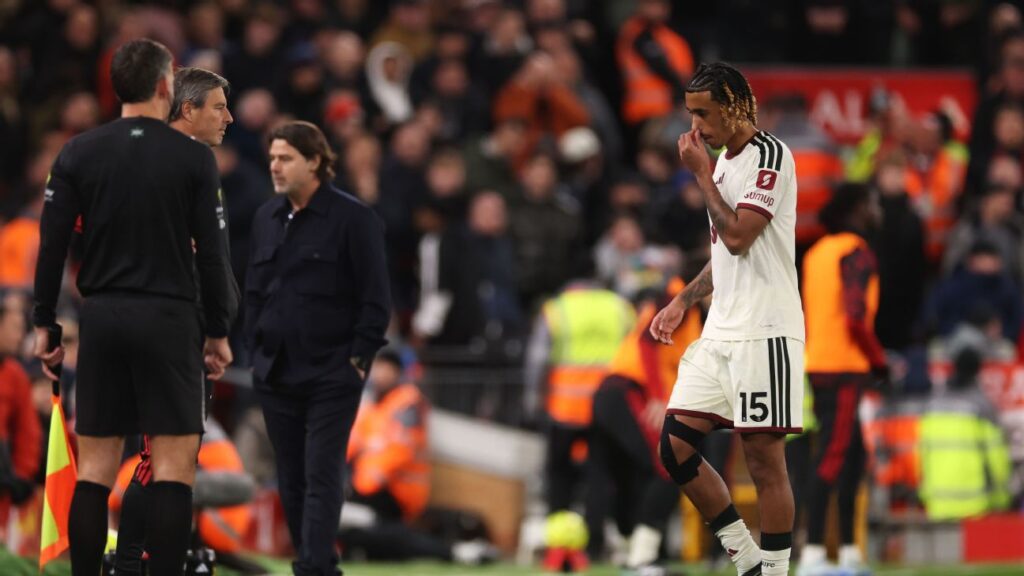
On 22 October 2026, Manchester United’s 20‑year‑old centre‑back Leny Yoro was sent off in the 78th minute of a high‑stakes Premier League clash with Liverpool after a late challenge on Mohamed Salah. The referee deemed the tackle a two‑footed push, issuing a straight red and a three‑match ban that would have kept Yoro out of the next two league games and a Europa League tie.
United lodged an appeal the following day, arguing that video footage showed Yoro’s foot never made contact with Salah’s leg and that the decision was a misinterpretation of the Laws of the Game. The Football Association’s (FA) disciplinary panel reviewed the case, and on 24 November 2026 announced that the red card had been rescinded and the suspension lifted.
Why the reversal matters for Manchester United
Losing a defender of Yoro’s calibre at a crucial stage of the season would have forced United to reshuffle a back‑line already coping with injuries to Raphael Varane and Lisandro Martínez. The appeal’s success means United retain a young, versatile defender who can play both as a centre‑back and a left‑full‑back, preserving tactical flexibility for manager Erik ten Hag.
From a financial perspective, the decision protects United’s investment in Yoro. The Ivorian signed a five‑year contract worth £45 million in 2024, and missing key fixtures could have reduced his market value and limited his exposure ahead of a potential 2027 World Cup with Ivory Coast.
Implications for African players in the Premier League
Yoro’s case shines a spotlight on a growing perception among African players that they are disproportionately penalised for marginal fouls. A 2025 study by the Centre for Sports Equality found that African‑born defenders received 12 % more red cards than their European counterparts in the top five leagues, after controlling for minutes played.
The successful appeal may encourage other African professionals to challenge questionable decisions, knowing that the FA’s review process can overturn errors. It also sends a message to referees that scrutiny is increasing, potentially leading to more consistent application of the Laws across all nationalities.
Broader trends: the rise of appeals and video‑assisted fairness
Since the introduction of VAR in 2019, clubs have become more strategic about using the appeal mechanism. In the 2025‑26 season, 28 % of red‑card appeals were partially or fully successful, up from 14 % three seasons earlier, according to data from the Professional Footballers’ Association (PFA).
Yoro’s reversal is part of this trend, illustrating how clubs are leveraging technology and legal expertise to protect player availability. It also raises questions about whether the FA should tighten the criteria for appeals to avoid a flood of challenges that could slow down disciplinary proceedings.
What’s next for United, Yoro and the FA?
United will likely field Yoro in the upcoming Europa League quarter‑final against Bayer Leverkusen, a match that could be decisive for their European ambitions. Ten Hag has hinted that the defender’s confidence will be boosted by the vindication, potentially accelerating his development into a first‑team regular.
For the FA, the case may prompt a review of its guidelines on red‑card appeals. Sources close to the association say a working group is being formed to consider clearer timelines and evidence standards, aiming to balance fairness with the need to keep the disciplinary system efficient.
Quick Answers
Why was Leny Yoro’s red card overturned?
The FA panel concluded that video evidence showed Yoro did not make the two‑footed challenge that the referee had judged, so the red card and suspension were rescinded.
How does the appeal affect Manchester United’s squad depth?
United keep a key defensive option for upcoming league and Europa League matches, avoiding the need to rely on less experienced backups.
What does Yoro’s case mean for African players in the Premier League?
It highlights concerns over disciplinary bias and may empower more African players to contest questionable decisions, potentially prompting reforms in how fouls are assessed.
Source: www.espn.com




💬 Comments 0