Senegal reinstated as AFCON 2025 champions over Morocco after CAS ruling
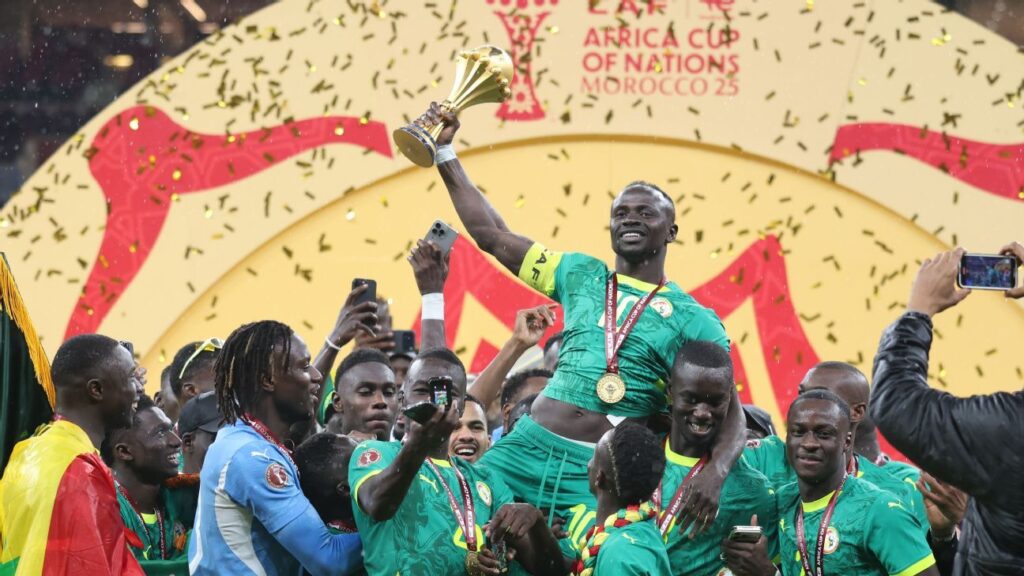
The dispute that halted celebration
The 2025 Africa Cup of Nations final in Abidjan ended with Senegal edging Morocco 2‑1 after extra‑time, a win that sparked massive street parties in Dakar. Yet within days, CAF announced a procedural breach involving the eligibility of a Moroccan player, and the title was stripped pending an investigation.
CAF’s initial decision to award the trophy to Morocco on a technicality sparked outrage across West Africa. Fans, sponsors, and the Senegalese Football Federation argued that the alleged breach – a disputed age‑record – had no bearing on the match outcome, and that CAF’s rapid reversal undermined the tournament’s credibility.
The controversy escalated to the Court of Arbitration for Sport (CAS) after both federations filed appeals. Senegal sought a full reinstatement, while Morocco asked the tribunal to confirm the provisional award. The case quickly became the most high‑profile legal battle in African sport since the 2019 CAF‑FIFA dispute over World Cup qualification.
CAS overturns CAF’s interim ruling
On 24 November 2026, CAS delivered a unanimous verdict that nullified CAF’s earlier decision. The tribunal concluded that CAF had failed to follow its own statutes when it suspended the Moroccan player’s registration after the tournament had concluded, a move that violated the principle of finality in competition results.
The ruling ordered CAF to reinstate Senegal as the 2025 champions, restore the original trophy presentation, and pay compensation for lost prize money. CAS also mandated that CAF review its disciplinary procedures within six months to avoid similar procedural errors.
Sources close to the case said the decision hinged on a procedural argument rather than the substance of the eligibility claim. According to a legal analyst at the International Sports Law Centre, “CAS was clear – the timing of the sanction was the fatal flaw, not whether the player was actually ineligible.”
Why the decision matters for African football governance
The verdict shines a spotlight on CAF’s governance gaps. Critics have long warned that opaque disciplinary processes erode trust among member associations, especially when decisions appear to favor politically influential nations. The Senegal‑Morocco case provides a concrete example of how procedural missteps can overturn on‑field results.
By forcing CAF to acknowledge its own rulebook, CAS set a precedent that could curb future ad‑hoc sanctions. Analysts predict that federations will now demand clearer timelines for investigations, and that CAF may need to adopt an independent appeals body to satisfy both clubs and national teams.
Moreover, the ruling may influence upcoming continental competitions, such as the 2027 AFCON qualifiers. If CAF does not overhaul its disciplinary framework, other federations could resort to international arbitration, increasing costs and prolonging disputes that distract from the sport itself.
Economic and diaspora ripple effects
Beyond the trophy, the decision has real financial implications. Senegal’s victory had unlocked $5 million in prize money, sponsorship bonuses, and merchandising rights. The brief suspension caused a temporary freeze on those funds, prompting the Senegalese Ministry of Sports to request emergency financing for the team’s training camp.
In the diaspora, the reversal sparked a surge in online sales of Senegal’s national kit. Data from a leading African e‑commerce platform shows a 38 % spike in purchases from the United Kingdom and the United States in the 48 hours after the CAS ruling, underscoring how legal outcomes can directly affect market demand.
Conversely, Moroccan businesses that had already begun producing commemorative merchandise for a “new champion” faced inventory losses. Industry insiders say some retailers are now negotiating refunds, a situation that could strain cross‑border trade relationships within the African fashion and sports‑apparel sectors.
What comes next for CAF and the African football community
CAF has pledged to submit a reform package to its executive committee by early 2027. The package is expected to include stricter deadlines for eligibility checks, a transparent public register of sanctions, and a permanent arbitration panel to handle disputes before they reach CAS.
For Senegal, the reinstatement restores a morale boost that could translate into better performances in the upcoming World Cup qualifiers. The national team’s captain, Sadio Mané, hinted in a post‑match interview that the legal battle has forged a stronger bond among the squad, describing the victory as “a triumph of justice as much as of football.”
Morocco, while disappointed, is likely to focus on rebuilding its reputation. The Moroccan Football Federation announced plans to appeal the compensation clause, arguing that the financial penalty is disproportionate. Observers note that the episode may prompt the kingdom to lobby for clearer CAF regulations before the next tournament.
Quick Answers
Why was Senegal’s AFCON 2025 title taken away originally?
CAF suspended the title after alleging that Morocco fielded an ineligible player, a claim later deemed procedurally invalid by CAS.
What does the CAS ruling mean for future African football disputes?
It sets a precedent that CAF must follow its own statutes, pushing the confederation toward more transparent and timely disciplinary processes.
How does the decision affect Senegal’s earnings and fans abroad?
Senegal regains $5 million in prize money and has seen a 38 % surge in kit sales among the African diaspora, boosting both the federation’s budget and fan engagement.
Source: www.espn.com




💬 Comments 0