BBC documents one week of Israeli settler violence in West Bank, 2026 report
A troubled history of settler aggression
Violence by Israeli settlers against Palestinians has been a recurring feature of the occupation since the Oslo Accords, but the intensity and frequency have surged in recent years. Reports from NGOs such as B'Tselem and Human Rights Watch show that every year more than a dozen lethal attacks are recorded, with many more incidents going unreported because victims fear retaliation.
The legal framework that enables settlement expansion—particularly the 1967‑era military orders and the Israeli Supreme Court’s occasional tolerance of private land seizures—creates an environment where extrajudicial attacks can be carried out with limited accountability. This has eroded trust in the rule of law among Palestinian communities and fueled a sense of impunity among some settler groups.
International bodies have repeatedly condemned these actions. United Nations resolutions and European Union statements call for the protection of civilians, yet enforcement mechanisms remain weak. The pattern of weekly spikes in violence, like the one the BBC captured, underscores the chronic nature of the problem rather than an isolated flare‑up.
What the BBC’s week‑long tracking revealed
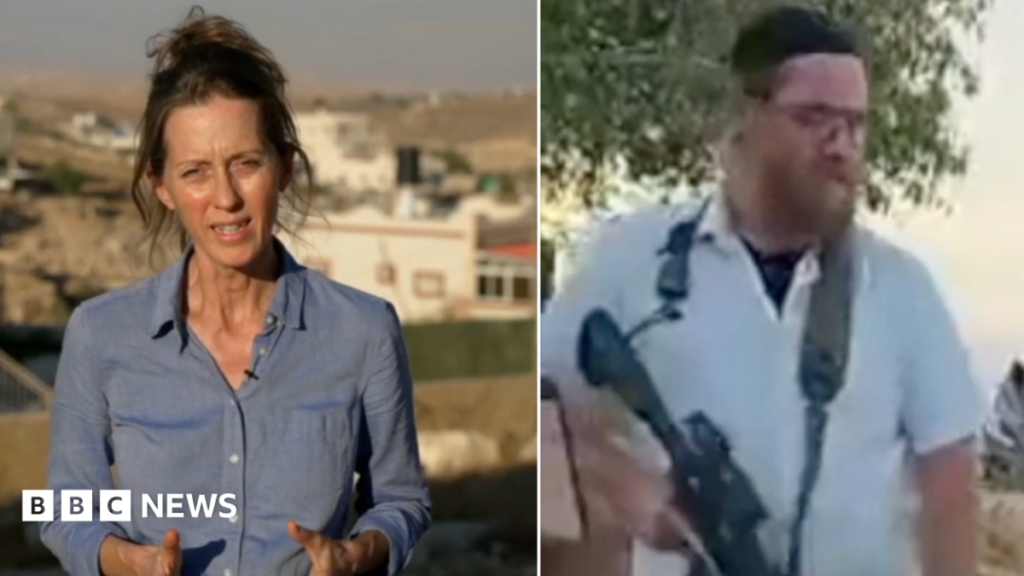
Lucy Williamson’s BBC investigation logged more than 30 separate incidents of settler aggression in just seven days, ranging from stone‑throwing and arson to the demolition of Palestinian olive trees—a vital source of livelihood. The report includes video footage of masked settlers confronting families near Ramallah and of Israeli police standing by as houses are vandalised.
Among the most striking cases was an attack on a Palestinian school in Qalqilya, where settlers set fire to a classroom and threatened teachers. The BBC obtained statements from the school principal, who said the incident forced the temporary closure of the school and disrupted education for over 200 children.
The documentation also highlighted the role of social media, where some settlers livestreamed their raids, seeking to intimidate the population and to rally support from far‑right political factions inside Israel. According to the BBC, the Israeli police opened investigations in only two of the recorded incidents, a figure that human‑rights groups consider far too low.
Why the surge matters for the peace process
The timing of this wave of violence coincides with stalled negotiations between Israeli and Palestinian leaders, making any diplomatic breakthrough even more elusive. When civilians are repeatedly targeted, public opinion on both sides hardens, reducing the political space for compromise.
From an international law perspective, the repeated attacks could be classified as war crimes under the Rome Statute, which defines intentional attacks on civilians as punishable offenses. However, the International Criminal Court’s jurisdiction over the occupied territories remains contested, leaving accountability uncertain.
Economically, the destruction of agricultural assets such as olive groves hurts the Palestinian economy, which already suffers from restrictions on movement and trade. The World Bank estimates that each hectare of damaged olive trees reduces household income by roughly $1,200 per year, a loss that ripples through local markets and food security.
The African and diaspora lens: solidarity and geopolitics
African nations have historically aligned with the Palestinian cause, most notably South Africa, whose post‑apartheid foreign policy frames the Israeli occupation as a parallel to its own struggle against racial segregation. In 2024, the African Union adopted a resolution condemning settler violence as a breach of international humanitarian law, a stance echoed in student protests across Nairobi and Lagos.
The diaspora angle is equally significant. Large Palestinian communities in the United Kingdom, France, and the United States have strong ties to African activists, especially within the Black Lives Matter movement, which frequently references the West Bank as a case study of state‑sanctioned oppression. Recent rallies in Johannesburg featured joint statements from the South African Council of Muslim Organisations and local anti‑racism groups, demanding an end to the settler attacks documented by the BBC.
Economic ties also surface. Several South African companies operate in Israeli‑controlled zones, and the rising instability raises concerns about supply‑chain disruptions for African investors. Moreover, the growing call for boycotts of Israeli products in African markets could affect trade volumes, especially in sectors like technology and agriculture where Israeli firms have a foothold.
What could happen next: diplomatic and grassroots responses
International pressure is likely to intensify after the BBC report, with the United Nations Human Rights Council expected to schedule an emergency session. If the council adopts a resolution urging Israel to investigate all incidents, it could pave the way for a fact‑finding mission, though Israel has historically resisted such inquiries.
Within Israel, right‑wing parties may double down on settlement expansion, arguing that security concerns justify harsher measures. Yet moderate Israeli politicians, including members of the Knesset from the Labor and Meretz parties, have called for a parliamentary inquiry into police inaction, a move that could lead to stricter enforcement if it gains traction.
On the ground, Palestinian NGOs are already mobilising legal teams to file complaints with the International Court of Justice, while civil‑society groups across Africa are organising solidarity campaigns. If these efforts converge, the next few months could see a coordinated push that blends diplomatic lobbying, legal action, and public protest, potentially reshaping the narrative around settler violence.
Quick Answers
How many incidents of settler violence did the BBC record in one week?
The BBC documented more than 30 separate attacks over a seven‑day period.
Why does settler violence matter for African countries?
African nations view the attacks as a breach of international law and a parallel to their own histories of oppression, influencing diplomatic stances and solidarity movements.
What are the possible next steps after the BBC report?
The UN may hold an emergency session, Israel could face parliamentary inquiries, and NGOs are preparing legal actions at the International Court of Justice.
Source: www.bbc.co.uk

💬 Comments 0