BBC Exposes RSF Attacks on Sudan Hospitals, UN Says War Crimes May Be Underway – 2026 Investigation
Background: The RSF and Sudan’s protracted war
Since the military coup that toppled Prime Minister Abdalla Hamdok in October 2021, Sudan has been caught in a power struggle between the Sudanese Armed Forces (SAF) and the paramilitary Rapid Support Forces (RSF). The RSF, originally formed from the Janjaweed militias that terrorised Darfur in the early 2000s, has grown into a well‑armed force that now controls large swathes of Khartoum, Darfur, and the Blue Nile. The conflict, which escalated into full‑scale fighting in April 2023, has already claimed more than 500,000 lives and displaced over four million people across the country, according to the United Nations Office for the Coordination of Humanitarian Affairs (OCHA).
Health infrastructure has been a silent casualty. Even before the RSF’s recent offensives, hospitals in Darfur and the capital were operating on dwindling supplies, with many facilities forced to close after looting or shelling. International NGOs have repeatedly warned that the targeting of medical sites violates the Geneva Conventions, but enforcement mechanisms remain weak amid the chaos of competing armed groups.
BBC investigation: Hospitals hit deliberately, not accidentally
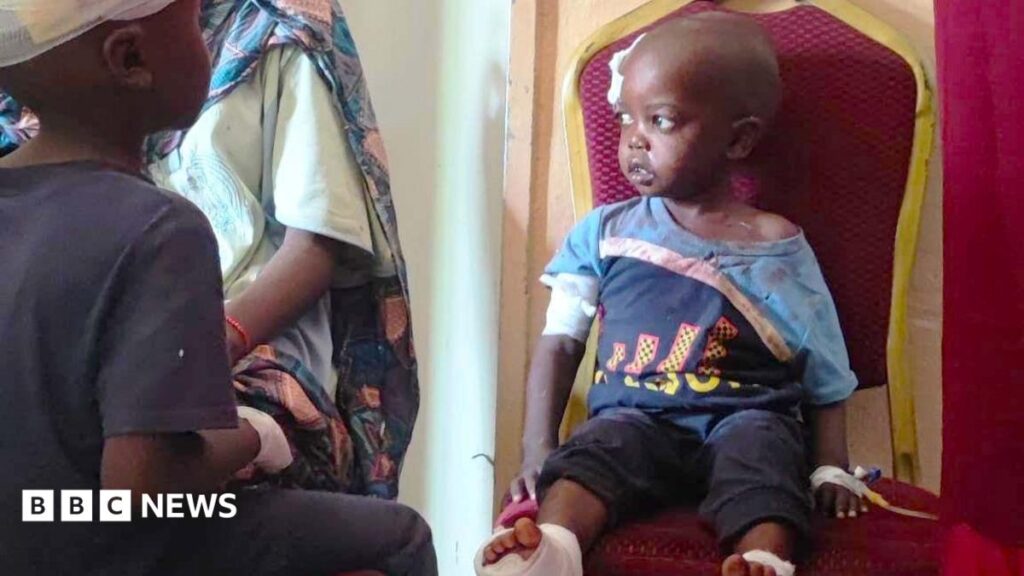
A months‑long BBC Africa investigation, released on 20 October 2026, compiled satellite imagery, eyewitness testimony, and leaked RSF communications that point to a systematic pattern of attacks on civilian hospitals. The report cites at least nine documented incidents between March and August 2026 where RSF artillery struck operating theatres, intensive‑care units, and ambulance depots in El‑Fashir, Omdurman, and the Kordofan region. Survivors told reporters that RSF fighters shouted “no medical aid for the rebels” before opening fire, suggesting intent rather than collateral damage.
The investigation also uncovered internal RSF messages that discussed “neutralising medical hubs that support opposition forces.” According to a former RSF logistics officer who spoke on condition of anonymity, the strategy was to cripple the SAF’s ability to treat wounded fighters, thereby demoralising their ranks. The BBC’s findings have been corroborated by independent human‑rights groups such as Amnesty International, which released a parallel brief on 22 October 2026.
Legal stakes: Could these attacks be classified as war crimes?
UN High Commissioner for Human Rights Volker Türk said on 24 October 2026 that the documented attacks “may amount to war crimes and possibly crimes against humanity.” Under the Rome Statute, deliberately targeting protected medical facilities constitutes a grave breach of international humanitarian law. If the International Criminal Court (ICC) opens a formal investigation, RSF commanders could face individual criminal responsibility, a precedent that would reverberate across Africa’s numerous internal conflicts.
Legal experts caution that prosecution is difficult without a clear chain of command. The RSF operates under a semi‑clandestine hierarchy, and many of its leaders, including its commander Mohamed Hamdan “Hemedti” Dagalo, have evaded international sanctions. Nonetheless, the BBC report has already prompted several European states to consider adding RSF senior officers to their sanctions lists, a move that could pressure the group financially and diplomatically.
Human cost: How the attacks cripple Sudan’s health system and spill over borders
The immediate impact on civilians is stark. In the week following the El‑Fashir hospital strike, the World Health Organization (WHO) reported a 40 % rise in untreated trauma cases and a 25 % increase in maternal deaths in the surrounding districts. With more than 2 million Sudanese already living in refugee camps in Chad, Ethiopia, and South Sudan, the loss of functional hospitals threatens to overload cross‑border health facilities that are already stretched thin.
Diaspora communities in the United Kingdom, United States, and Canada have launched emergency fundraising drives, raising over $12 million in the past two weeks for mobile clinics and blood‑bank supplies. However, NGOs warn that without safe corridors, even the most well‑funded humanitarian missions risk being caught in the line of fire, echoing the challenges faced during the 2019‑2020 attacks on health centres in the Central African Republic.
Regional response: African Union, neighbouring states and the diaspora
The African Union (AU) convened an emergency summit on 26 October 2026, urging all parties to respect medical neutrality and calling for an independent commission to investigate the alleged war crimes. While the AU’s Peace and Security Council condemned the attacks, its ability to enforce compliance remains limited, especially as Sudan’s neighbours grapple with their own security concerns.
In Kenya and Uganda, where sizable Sudanese expatriate populations reside, civil‑society groups have organised protests demanding stronger diplomatic pressure on the RSF. Meanwhile, the Nigerian diaspora, which runs several health‑relief NGOs focused on the Sahel, has pledged to send additional field surgeons and to lobby the Nigerian government to recognise the RSF‑led regime as a terrorist entity, a step that could freeze any remaining assets the group holds in West Africa.
What’s next: Accountability, peace talks and the future of Sudan’s health sector
The next few months will determine whether the international community can translate condemnation into concrete action. If the ICC proceeds, the prospect of arrest warrants could force the RSF to the negotiating table, potentially reviving stalled peace talks that have been deadlocked since early 2024. Humanitarian agencies are also pushing for a UN‑mandated “medical safe zone” around major hospitals, a concept that has succeeded in parts of Syria but has yet to be tested in Sudan’s fluid battle lines.
For Sudan’s citizens, the priority remains survival. Restoring even a fraction of the country’s pre‑war health capacity will require billions of dollars, a stable ceasefire, and a guarantee that medical facilities are no longer viewed as strategic targets. As the BBC report reverberates through diplomatic corridors, the hope is that the spotlight on these atrocities will finally compel regional powers and global institutions to act before more lives are lost.
Quick Answers
What evidence does the BBC have that RSF deliberately attacked hospitals?
The BBC used satellite images, survivor testimonies, and leaked RSF messages that specifically ordered the targeting of medical facilities.
Could the RSF attacks on hospitals be prosecuted as war crimes?
Yes, under the Rome Statute, intentionally attacking protected medical sites can be classified as war crimes and may trigger ICC investigations.
How are Sudan’s neighboring countries affected by the hospital attacks?
Refugee inflows strain health services in Chad, Ethiopia, and South Sudan, while regional bodies like the AU face pressure to enforce medical neutrality.
Source: www.bbc.co.uk
💬 Comments 0