L’Oreal warns GLP-1 weight‑loss drugs are slashing African skincare sales by 12% in 2024
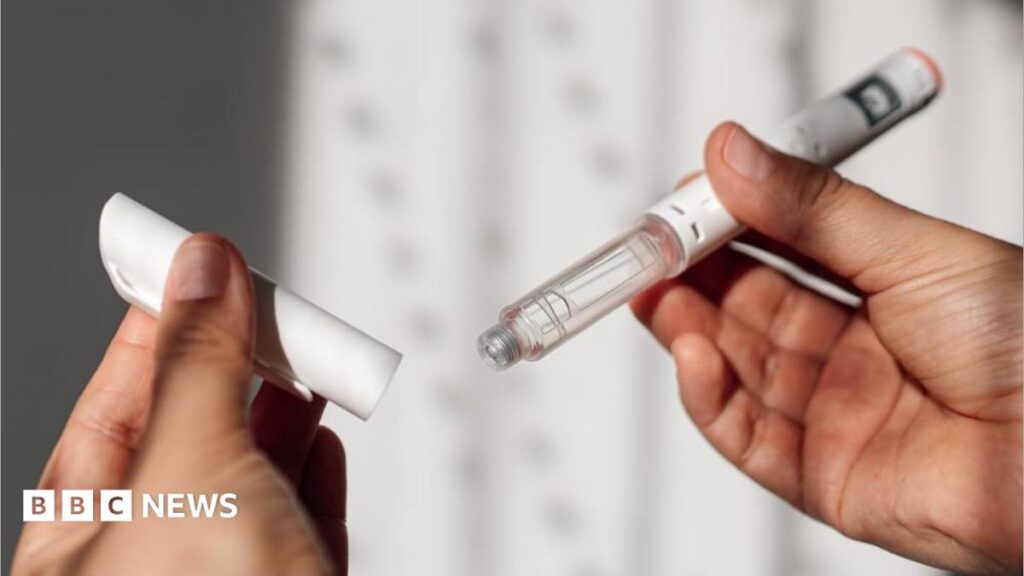
The GLP‑1 boom and its ripple effect
In the past three years, medicines that mimic the gut hormone GLP‑1 – most notably Ozempic, Wegovy and similar products – have moved from niche diabetes treatments to mainstream weight‑loss solutions. Their rapid adoption has been fuelled by aggressive marketing, celebrity endorsements and a cultural shift that prizes thinness as a marker of health and success. By early 2024, sales of GLP‑1 drugs in the United States alone topped $12 billion, with the market expanding fast across Europe and parts of Africa where private‑pay clinics are proliferating.
The surge in GLP‑1 usage has created a paradox for the beauty industry. While consumers are spending more on health‑related services, they are simultaneously cutting back on traditional cosmetics and skincare products that they perceive as less essential once weight loss is achieved. This trend was first flagged by market analysts in Europe, but the ripple has now reached emerging markets where beauty spending already represents a sizable share of disposable income.
Industry insiders note that the phenomenon is not limited to a single demographic. Young professionals, middle‑aged women and even men are turning to these injectable drugs to manage weight, and the resulting changes in body image expectations are reshaping purchasing habits worldwide.
L'Oreal’s alarm: numbers behind the claim
At a press conference in Paris, L'Oreal chief executive Nicolas Hieronimus described the GLP‑1 effect as "a very important phenomenon for us" and presented internal data showing a 9 percent decline in global skincare sales during the first half of 2024. In the company's African division, the drop was steeper – a 12 percent fall in the South‑East African market and a 10 percent dip in West Africa, according to the group’s regional sales report released on October 20.
The French beauty giant linked the downturn to a shift in consumer priorities: money that would have gone to moisturisers, serums and anti‑ageing creams is now being redirected to medical appointments, GLP‑1 prescriptions and associated wellness services. L'Oreal also highlighted a rise in “minimalist” beauty routines, where fewer products are used to maintain a "clean" look that aligns with the slimmer physiques the drugs help achieve.
While the company stopped short of forecasting a long‑term collapse, Hieronimus warned that the trend could become entrenched if GLP‑1 prescriptions continue to rise. He urged the industry to rethink product portfolios and marketing strategies to stay relevant in a market where health and aesthetics are converging.
Why the shift matters for the global beauty landscape
The decline in skincare sales is a warning sign for a sector that has relied on steady growth from emerging economies. Beauty giants have historically counted on rising middle‑class consumers in Africa, Asia and Latin America to offset saturation in mature markets. A 12 percent contraction in Africa alone translates into billions of dollars of lost revenue, prompting analysts to revise 2025 growth forecasts for the sector downward by roughly 1.5 percentage points.
Beyond the immediate financial hit, the GLP‑1 trend could accelerate a broader re‑definition of beauty. If weight‑loss drugs become as socially accepted as gym memberships, the industry may need to pivot from product‑centric marketing to service‑centric experiences, such as personalised skin‑health consultations that integrate medical and cosmetic advice. Brands that fail to adapt risk becoming peripheral to the new health‑beauty nexus.
Investors are already responding. Share prices of several cosmetics firms with heavy exposure to African markets fell modestly after L'Oreal’s announcement, while companies that have diversified into nutraceuticals and wellness tech saw modest gains. The market is signalling a preference for hybrid business models that blend beauty with health‑oriented offerings.
African consumers and the GLP‑1 ripple
In Africa, the uptake of GLP‑1 drugs is still nascent but growing fast in urban centres such as Lagos, Nairobi and Johannesburg, where private clinics and tele‑medicine platforms make the drugs accessible to affluent customers. A recent survey by the African Health Innovation Hub indicated that 18 percent of respondents in these cities had either tried or were considering a GLP‑1 injection for weight management in 2024.
The shift has a two‑fold impact on African beauty markets. First, it reduces the volume of traditional skincare products purchased, particularly in the premium segment where L'Oreal holds a dominant share. Second, it opens a new market for “beauty‑plus‑health” products – for example, moisturisers enriched with metabolic‑support ingredients, or supplements marketed as complementary to GLP‑1 therapy. Local startups are already experimenting with such hybrids, aiming to capture a niche that sits between pharmacy and cosmetics shelf.
Culturally, the phenomenon also re‑writes narratives around body image. In many African societies, fuller bodies have traditionally been associated with prosperity and health. The rapid adoption of weight‑loss drugs, amplified by Western beauty ideals, is creating a tension that brands must navigate carefully. Companies that ignore these sensitivities risk backlash, while those that engage with local influencers and health professionals can build trust and relevance.
What’s next? Strategies and predictions
L'Oreal has signalled a strategic pivot: the group plans to invest $200 million over the next three years in research that blends dermatology with metabolic health, and to expand its “beauty‑as‑wellness” line in Africa. The company also hinted at partnerships with local pharmacies and tele‑health providers to offer bundled packages that include skin‑care products alongside GLP‑1 prescriptions, a move that could soften the sales dip.
Other players are likely to follow suit. Market analysts predict that by 2027, at least half of the top ten global beauty brands will have launched a product line explicitly tied to weight‑loss or metabolic health. In Africa, the race will be won by firms that can combine affordable pricing, culturally resonant messaging and easy access through mobile‑first distribution channels.
Regulators may also intervene. As GLP‑1 drugs become more prevalent, health ministries across the continent are reviewing prescription guidelines to curb off‑label use. Any tightening of access could reverse the current sales erosion, but it could also push consumers toward over‑the‑counter alternatives that blend beauty and health claims – a space that will likely attract both legitimate innovators and opportunistic marketers.
Quick Answers
How are GLP‑1 weight‑loss drugs affecting beauty sales in Africa?
They are causing a 12 percent drop in skincare sales across West and East Africa in 2024 as consumers shift spending from cosmetics to weight‑loss treatments.
What is L'Oreal doing to respond to the GLP‑1 trend?
L'Oreal is investing $200 million in research that merges skin‑care with metabolic health and is planning bundled product‑prescription packages in African markets.
Will the GLP‑1 impact on beauty be permanent?
Analysts say the effect could persist if drug use stays high, but tighter regulations or a shift back to traditional beauty routines could moderate the decline.
Source: www.bbc.co.uk




💬 Comments 0