Beau Lamarre convicted of killing ex‑partner Jesse Baird and Luke Davies in Sydney 2026 – police cover‑up exposed
The double murder and the courtroom verdict
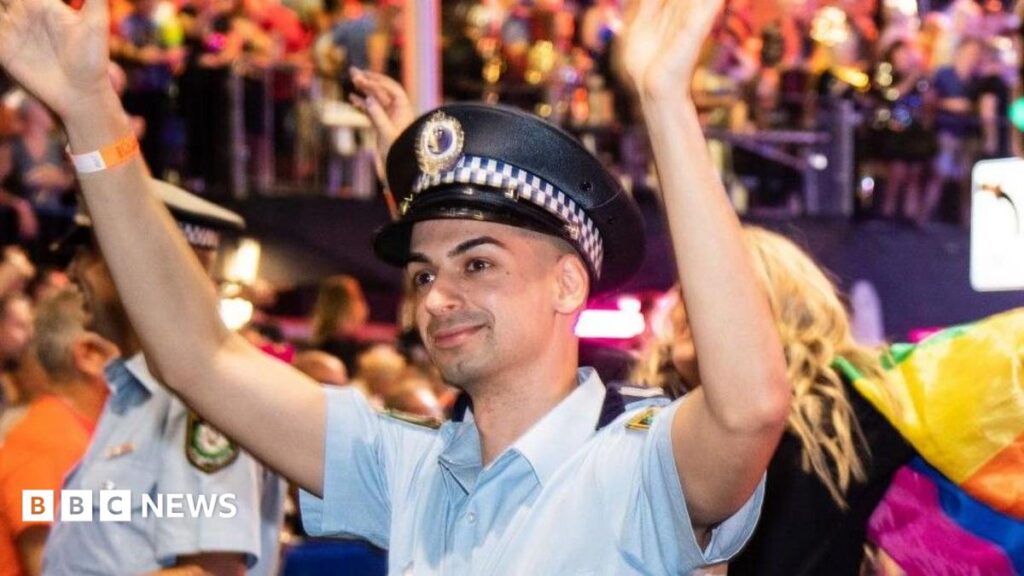
On 23 November 2026 a Sydney jury returned a guilty verdict against 32‑year‑old Beau Lamarre for the murders of his former partner, Jesse Baird, and Baird’s new boyfriend, Luke Davies. The trial, which lasted three weeks, revealed a meticulously planned attack that began with Lamarre confronting Baird at their shared apartment before dragging Davies, who was visiting, into a brutal confrontation. Both victims were found with multiple stab wounds and signs of a struggle, and forensic evidence linked the weapon to Lamarre’s possession. The judge described the killings as “a calculated act of jealousy and rage” and ordered a life sentence with a non‑parole period of 25 years.
A police officer’s desperate attempt to hide the crime
The case took a shocking turn when Detective Senior Constable Mark Haines, who was on duty the night of the murders, was discovered to have tampered with the initial crime scene report. According to ABC News, Haines altered timestamps on the logbook, removed a set of footprints that matched Lamarre’s shoes, and tried to attribute the blood‑splatter pattern to a “domestic accident.” Haines later claimed he was “protecting a friend” and that he feared the media fallout would damage community trust in the police. His actions were uncovered after a whistle‑blower within the precinct handed the original forensic file to the defence team, prompting a separate corruption inquiry.
Why the story matters beyond Sydney’s streets
The murder of Baird and Davies is not an isolated incident of intimate‑partner violence; it sits within a broader surge of gender‑based crimes in Australia that have prompted national protests since 2024. Statistics from the Australian Institute of Criminology show a 12 % rise in homicides linked to relationship breakdowns over the past two years, a trend that mirrors data from South Africa, Brazil and Kenya where similar spikes have been recorded. For African diaspora communities in Sydney, the case hits close to home because many families grapple with cultural expectations around same‑sex relationships and the stigma that can fuel secrecy and violence.
Moreover, the involvement of a serving police officer in a cover‑up has reignited debates about institutional bias. Advocacy groups such as the Australian Human Rights Commission have warned that when law‑enforcement officers intervene to protect acquaintances, it erodes confidence among minority groups who already feel over‑policed. The incident has therefore become a flashpoint for calls to strengthen independent oversight mechanisms, a demand echoed by African civil‑society organisations that monitor police conduct in their home countries.
Legal and policy implications for police accountability
In response to the Haines scandal, the New South Wales government announced a fast‑track review of internal audit procedures for crime‑scene documentation. The review, led by former Supreme Court Justice Margaret O’Leary, aims to introduce mandatory digital logging of evidence handling, with penalties that include immediate suspension for any officer found altering records. Legal scholars, such as Professor James McAllister of the University of Sydney, argue that these reforms could set a precedent for other Australian states and even for Commonwealth nations that share policing frameworks with the UK.
The case also highlights the need for better protection for whistle‑blowers inside police forces. While Australia introduced a federal whistle‑blower protection act in 2022, its application to law‑enforcement agencies remains patchy. Activists point to the fact that Haines’ misconduct was only exposed because an insider risked their career to leak documents. Strengthening anonymous reporting channels could therefore become a key policy priority, especially for communities that experience systemic discrimination, including many African migrants who fear retaliation.
What’s next for victims’ rights and community advocacy
The conviction of Lamarre has already spurred a surge of fundraising for Baird’s and Davies’ families, with the Australian LGBTQ+ advocacy group ACON launching a memorial scholarship for queer youth from migrant backgrounds. The initiative reflects a growing recognition that victims of intimate‑partner violence often intersect with other marginalised identities, a reality that African‑Australian activists have long highlighted in their own campaigns against homophobic abuse.
Looking ahead, the broader community is watching how the corruption inquiry into Haines will conclude. If the investigation results in criminal charges, it could pave the way for a national conversation about the culture of “protecting one’s own” within police ranks. For African diaspora organisations, the outcome will serve as a benchmark for how seriously Australian institutions take accountability, influencing whether they feel safe to engage with law‑enforcement on issues ranging from hate crimes to immigration enforcement.
Quick Answers
Who was found guilty of the murders of Jesse Baird and Luke Davies?
Beau Lamarre was convicted of killing his ex‑partner Jesse Baird and Baird’s new partner Luke Davies.
How did a police officer try to conceal the murders?
Detective Senior Constable Mark Haines altered the crime‑scene log, removed forensic evidence and mis‑described the incident as a domestic accident.
What reforms are being proposed after the police cover‑up?
New South Wales plans a digital evidence‑logging system, stricter penalties for tampering, and stronger whistle‑blower protections for police staff.
Source: www.bbc.co.uk




💬 Comments 0