Ben Dancer’s 7‑Day Non‑Stop Dance Record Attempt Ignites Health Debate and Cultural Pride in Nigeria 2026
Background: Dance as a National Pulse
Nigeria’s music and dance scene has long been a driving force behind its soft power, from Afrobeat legends like Fela Kuti to contemporary viral TikTok moves. The country’s streets, clubs, and festivals regularly showcase styles such as Shaku Shaku, Zanku, and the newer Afrobeats choreography, which have become symbols of youthful energy and social cohesion.
In recent years, the government and private sponsors have begun to formalise this cultural capital, launching initiatives like the "Nigeria Creative Economy Fund" and supporting large‑scale events such as the Lagos International Dance Festival. These moves aim to convert cultural vibrancy into tourism revenue and job creation, especially for young people facing high unemployment.
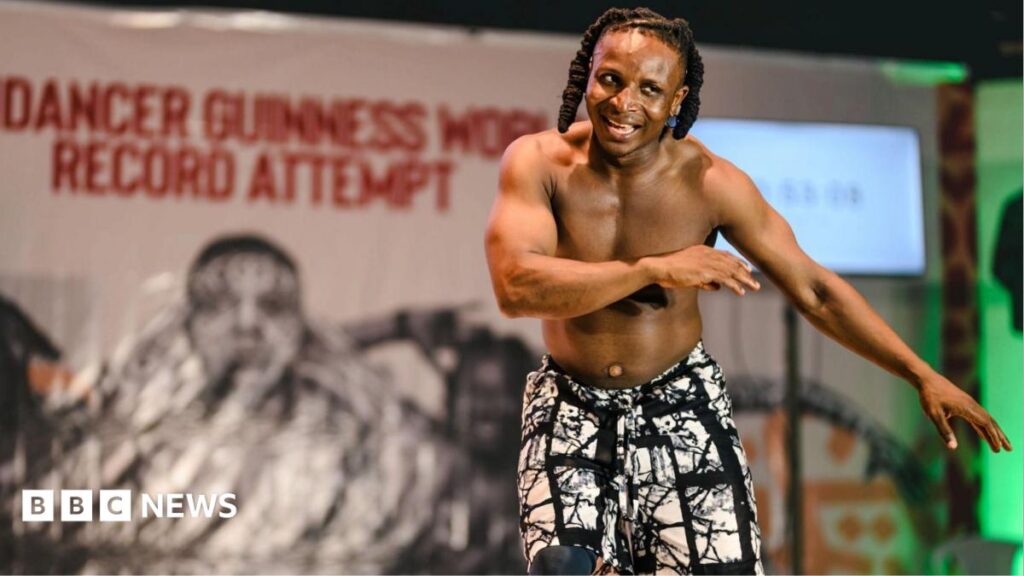
Against this backdrop, Ben Dancer—real name Benjamin Okonkwo, a 28‑year‑old dance instructor from Enugu—announced a bid to set a new Guinness World Record by dancing continuously for seven days. His plan was unveiled on social media in early August 2026, promising a live‑streamed marathon that would involve audience interaction, charity fundraising, and a showcase of regional dance styles.
The Marathon in Detail: What Actually Happened
The attempt began on September 14, 2026, at the newly refurbished Freedom Square in Lagos, a venue chosen for its capacity to accommodate thousands of on‑site spectators and a robust internet connection for the global livestream. Ben Dancer kicked off with a high‑energy Zanku routine, then transitioned through a pre‑planned setlist that included traditional Igbo dances, contemporary Afro‑pop choreography, and even a brief hip‑hop freestyle.
Support crews rotated every two hours to keep him hydrated, fed, and medically monitored. Guinness World Records officials were present to verify compliance with the strict rulebook that defines “continuous dancing” as movement without a rest period longer than five minutes. The audience, both physical and virtual, could vote in real time for the next dance style, turning the marathon into an interactive cultural showcase.
After 168 hours of non‑stop movement, Ben Dancer finally stepped off the stage on September 21, exhausted but triumphant. He was immediately taken to Lagos University Teaching Hospital for a comprehensive health check, where doctors examined his cardiovascular system, musculoskeletal health, and signs of dehydration.
Why It Matters: Health, Economy, and Identity
The most immediate concern is the physical toll such an extreme feat can take. According to a statement from the hospital’s sports medicine department, prolonged high‑intensity activity without adequate rest can lead to rhabdomyolysis, cardiac arrhythmia, and severe electrolyte imbalance. While Ben Dancer was reported to be stable, his case has sparked a broader conversation about the responsibilities of event organisers when pushing human limits for entertainment.
Economically, the marathon generated measurable buzz. Data from the Nigerian Communications Commission showed a 27 % spike in mobile data usage in Lagos during the livestream, while ticket sales and merchandise contributed an estimated ₦45 million (about $110,000) to local vendors. The event also attracted attention from diaspora investors looking to sponsor future cultural marathons, signalling a potential new revenue stream for the creative sector.
Culturally, Ben Dancer’s record bid reinforced a sense of national pride. For many Nigerians, especially youth in the Niger Delta and the northern states, seeing a homegrown talent claim a global stage reaffirms the narrative that African creativity can compete with Western spectacles. The marathon’s inclusion of regional dances highlighted the country’s ethnic diversity, prompting discussions on how such platforms can promote unity without erasing local nuance.
Reactions: From Fans, Critics, and Policy Makers
Social media erupted with admiration and memes, with the hashtag #BenDancer7Days trending for three days on Twitter Nigeria. Fans praised his stamina and called for a national award, while several Afrobeat artists posted tribute videos featuring snippets of his marathon choreography.
Health professionals, however, warned against glorifying extreme endurance feats. Dr. Aisha Bello, a sports physician at the University of Ibadan, told Premium Times that “while the spirit of determination is commendable, we must ensure that public health messaging does not romanticise potentially dangerous behaviour.”
Politically, the Ministry of Information released a brief statement acknowledging the achievement and promising to review safety protocols for future large‑scale cultural events. A draft amendment to the Entertainment Industry Act, currently under parliamentary debate, could require mandatory medical oversight for any public performance lasting longer than six hours.
What’s Next: From Record Confirmation to a New Wave of African Marathons
Guinness World Records is expected to announce the official verdict within the next two weeks. If validated, Ben Dancer will join a short list of African record‑holders in endurance categories, a list that currently includes Ethiopian long‑distance runners and South African ultra‑marathoners.
Organisers are already planning a follow‑up event titled "Continental Rhythm Relay," which would involve dancers from Kenya, Ghana, and Nigeria each attempting a 48‑hour relay. The concept aims to turn the solo marathon into a collaborative celebration of African rhythm, with a portion of proceeds earmarked for youth sports programmes in underserved communities.
For the diaspora, the marathon has opened a dialogue about cultural connection. Nigerian‑American community groups in Houston and London reported increased interest in virtual dance workshops led by Ben Dancer, suggesting that such record attempts can serve as bridges for cultural transmission across continents.
Quick Answers
Did Ben Dancer break the Guinness World Record for longest non‑stop dance?
Guinness World Records will confirm the result within two weeks; the marathon met all documented criteria, so a record is likely.
What health risks are associated with dancing nonstop for seven days?
Prolonged intense activity can cause dehydration, electrolyte imbalance, muscle breakdown (rhabdomyolysis), and cardiac strain, according to sports physicians.
How did the marathon impact Nigeria’s economy?
The event generated roughly ₦45 million for local vendors, boosted mobile data traffic by 27 % in Lagos, and attracted diaspora investment interest in cultural projects.
Source: www.bbc.co.uk




💬 Comments 0