Ben-Gvir storms Al-Aqsa with hundreds of Israelis, claims “we are the owners” – June 2026 fallout for Israel‑Africa relations
Background: Jerusalem’s flashpoint and the lead‑up to June 2026
Al‑Aqsa Mosque, the third‑holiest site in Islam, sits on the Temple Mount – a place revered by Jews as the historic site of the First and Second Temples. Since the 1967 war, Israel has kept a delicate status‑quo that allows Muslims to pray while Israel controls security. Periodic tensions flare when Israeli politicians or settler groups try to assert sovereignty, especially during the holy month of Ramadan.
In the weeks before the June 2026 incident, far‑right minister Itamar Ben‑Gvir, head of the National Security Ministry, repeatedly warned that Israel would not tolerate “any attempts to rewrite history” on the compound. His rhetoric coincided with a surge of settler protests in the West Bank and a series of Israeli police raids on Palestinian NGOs, raising the risk of a broader confrontation.
The incursion: Ben‑Gvir joins hundreds of Israelis at the compound
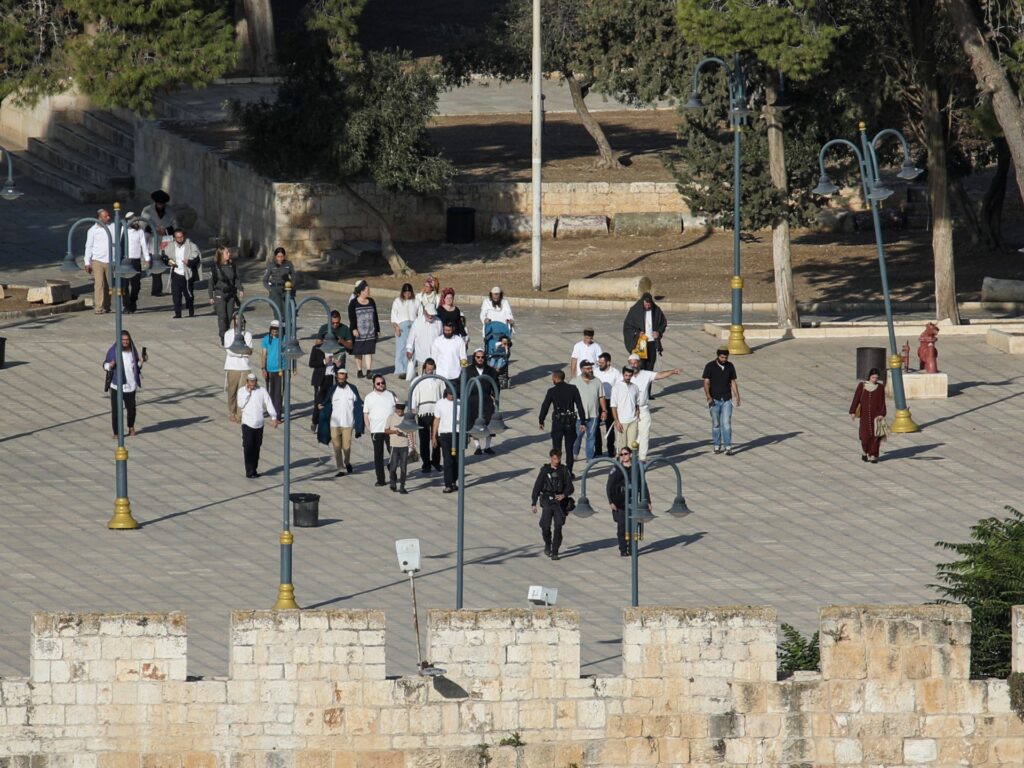
On June 24, 2026, Ben‑Gvir entered the Al‑Aqsa compound alongside a crowd of roughly 300 Israeli civilians, many of them right‑wing activists. The group was escorted by a heavy police presence, including riot gear and armored vehicles, after Israeli authorities announced a “temporary security operation” to prevent alleged vandalism.
During the visit, Ben‑Gvir stood on the platform overlooking the mosque and declared, “We are the owners of this place,” a statement that echoed earlier claims by extremist politicians that Israel should assert full control over the entire site. Video of the moment quickly spread on social media, prompting outrage from Palestinian leaders, Muslim communities worldwide, and human‑rights groups.
Domestic political fallout: Power plays and public opinion
Prime Minister Benjamin Netanyahu publicly backed the security operation, saying it was “necessary to protect Israeli citizens.” However, coalition partner Yair Lapid warned that the stunt could jeopardise Israel’s diplomatic standing and fuel further violence, highlighting a split within the government over how to manage the holy‑site issue.
Polls released by the Israel Democracy Institute a week after the incident showed a modest rise in support for right‑wing parties among Jewish voters, but a sharp decline in confidence among Israeli Arabs, who now view the government as increasingly hostile. The episode also revived calls from opposition parties for an independent inquiry into the National Security Ministry’s handling of religious sites.
African and diaspora reactions: From Lagos to Johannesburg
The storming of Al‑Aqsa resonated strongly across Africa’s Muslim‑majority nations. In Nigeria’s northern states, protests erupted outside Israeli embassies, with demonstrators chanting slogans demanding “justice for Palestine.” The Nigerian Ministry of Foreign Affairs issued a statement condemning “any act that endangers the sanctity of holy places,” while urging the Israeli government to respect the status‑quo.
South Africa’s African National Congress (ANC) recalled its ambassador to Israel for consultations, citing “a breach of international law and a violation of religious freedom.” In Kenya, the sizable Somali‑Kenyan diaspora organised a solidarity march in Nairobi, drawing attention from local media and prompting the Kenyan foreign ministry to call for an emergency UN Security Council meeting on the issue.
Implications for Israel‑Africa ties and the broader geopolitical picture
Israel has invested heavily in building strategic partnerships across Africa, from technology hubs in Kenya to agricultural projects in Ethiopia. The Al‑Aqsa incident threatens to erode goodwill, especially in countries where public opinion is heavily influenced by religious sentiment. Analysts at the African Centre for Strategic Studies warn that a prolonged perception of Israeli disrespect for Islamic sites could stall ongoing trade agreements and jeopardise joint security initiatives.
Conversely, the episode may bolster Israel’s standing among certain right‑leaning African governments that share a hard‑line view on Israel‑Palestine. For example, the government of Rwanda, which has deepened cooperation with Israel in health and tech sectors, issued a measured response, emphasizing “the need for dialogue rather than confrontation.” The split in African reactions mirrors the continent’s broader diplomatic balancing act between Western allies and the Arab world.
What’s next? Legal battles, diplomatic outreach, and the risk of escalation
Human‑rights organisations, including Amnesty International, have filed a petition with Israel’s Supreme Court demanding an investigation into the legality of the security operation and Ben‑Gvir’s public statements. If the court rules against the ministry, it could set a precedent limiting future political incursions onto the holy site.
On the diplomatic front, the United States has called for “calm and respect for the status‑quo,” while the European Union is preparing a joint statement urging both sides to refrain from unilateral actions. For African nations, the next few weeks will likely involve behind‑the‑scenes lobbying at the UN and in bilateral talks with Israeli officials, aiming to safeguard religious freedoms while preserving economic partnerships.
Quick Answers
Why did Itamar Ben‑Gvir say “we are the owners of the place” at Al‑Aqsa?
Ben‑Gvir made the claim during a police‑escorted visit to assert Israeli sovereignty over the Temple Mount, a stance that aligns with his far‑right political platform.
How have African countries responded to the Al‑Aqsa storming?
Nigeria, South Africa, and Kenya have condemned the incident, organized protests, and called for diplomatic action, while some governments like Rwanda have issued more neutral statements.
What could happen to Israel‑Africa cooperation after this incident?
If the episode fuels anti‑Israeli sentiment, trade deals and joint projects in technology, agriculture, and security could face delays or cancellations, though some countries may maintain ties based on strategic interests.
Source: www.aljazeera.com




💬 Comments 0