Boeing sells three subsidiaries to Archer Aviation for 15% stake in eVTOL deal 2026
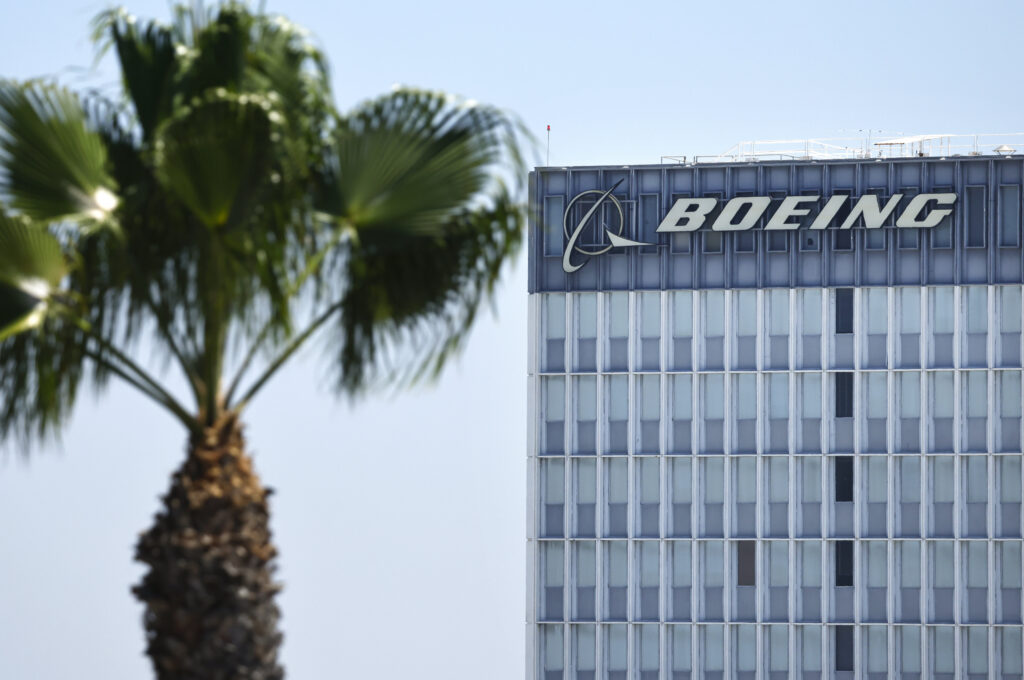
Background: Boeing’s pivot toward electric flight
For decades Boeing has dominated the commercial jet market, but the rise of electric propulsion has forced the aerospace giant to reassess its long‑term strategy. While it still leads in large‑aircraft manufacturing, Boeing has been quietly investing in electric‑vertical‑take‑off‑and‑landing (eVTOL) concepts through its Aurora Flight Sciences, Aurora Labs, and a small autonomous‑flight unit. Those subsidiaries were created to explore next‑generation air mobility, yet progress has been slower than the market’s expectations.
Archer Aviation, a California‑based startup founded in 2018, has become one of the most visible players in the eVTOL arena. Its “Mid‑Knight” prototype recently completed a series of test flights that demonstrated a 60‑minute range and a payload capacity suitable for short‑haul commuter routes. Investors have poured over $2 billion into Archer, but the company still needs a major aerospace partner to scale production and certify its aircraft.
The deal: Boeing trades three units for an equity slice
In a move announced on August 8, 2026, Boeing agreed to transfer ownership of Aurora Flight Sciences, Aurora Labs, and its autonomous‑flight unit to Archer Aviation. In return, Boeing will receive a 15 percent equity stake in Archer, valued at roughly $1.2 billion based on the startup’s latest financing round. The transaction also includes a technology‑transfer agreement that gives Archer access to Boeing’s wind‑tunnel data, composite‑material expertise, and supply‑chain networks.
The three subsidiaries will continue to operate under Archer’s brand, but Boeing will retain board representation and a seat on Archer’s technology committee. Sources close to the deal say the arrangement is designed to accelerate Archer’s path to certification while allowing Boeing to stay in the eVTOL conversation without bearing the full cost of development.
Why it matters for the global eVTOL race
The eVTOL sector is projected to become a $250 billion industry by 2035, according to a 2025 BloombergNEF report. By acquiring the three Boeing units, Archer instantly gains a deep talent pool and a suite of patents that were previously locked behind a corporate giant. This could shorten the timeline for Archer’s first commercial fleet, which it aims to launch in 2029 in select U.S. cities.
For Boeing, the deal is a strategic hedge. Rather than building an eVTOL division from scratch, the company now holds a minority position in a fast‑moving startup. That mirrors a broader trend where legacy manufacturers such as Airbus and Embraer are forming joint ventures or taking equity stakes in eVTOL firms to stay relevant as urban air mobility (UAM) ecosystems evolve.
African implications: new doors for urban air mobility
African megacities like Lagos, Nairobi, and Johannesburg face chronic traffic congestion and limited ground‑transport infrastructure. Urban air mobility has been discussed as a potential solution, but high entry costs and regulatory uncertainty have stalled pilots. Archer’s partnership with Boeing could lower the price of eVTOL platforms by leveraging Boeing’s economies of scale, making the technology more attractive to African governments and private investors.
Several African venture funds, including Kenya’s Savannah Fund and Nigeria’s Ventures Platform, have already expressed interest in eVTOL projects. A joint venture between Archer and a local partner could see a pilot program in Lagos by 2028, using the city’s coastal corridors to connect the business district with the airport. Moreover, Boeing’s existing supply chain in South Africa – which manufactures aerostructures for the 787 – could be repurposed for eVTOL components, creating new jobs and upskilling the local aerospace workforce.
What’s next: certification, competition and market rollout
The next major hurdle for Archer is FAA certification for its Mid‑Knight design, a process that typically takes three to five years. With Boeing’s certification experience and its liaison with the Federal Aviation Administration, the timeline could be compressed, but regulators will still demand rigorous safety data, especially for autonomous flight functions.
Meanwhile, competitors such as Joby Aviation, Lilium, and Volocopter are racing to secure city contracts and air‑traffic‑management approvals. Archer’s new resources may give it an edge in the United States, but success in emerging markets like Africa will depend on partnerships with local authorities, affordable pricing models, and the ability to adapt aircraft to hot‑and‑high conditions common in many African regions.
Quick Answers
What subsidiaries is Boeing selling to Archer Aviation?
Boeing is transferring Aurora Flight Sciences, Aurora Labs, and its autonomous‑flight unit to Archer Aviation.
How much equity does Boeing receive in Archer after the deal?
Boeing will own a 15 percent stake in Archer Aviation, valued at about $1.2 billion.
Why could this deal matter for African cities?
The partnership could lower eVTOL costs, enable local manufacturing, and spur pilot projects in congested African metros like Lagos and Nairobi.
Source: www.cnbc.com



💬 Comments 0