Brazil kindergarten hostage crisis kills suspect after 13 children rescued in São Paulo, 2026
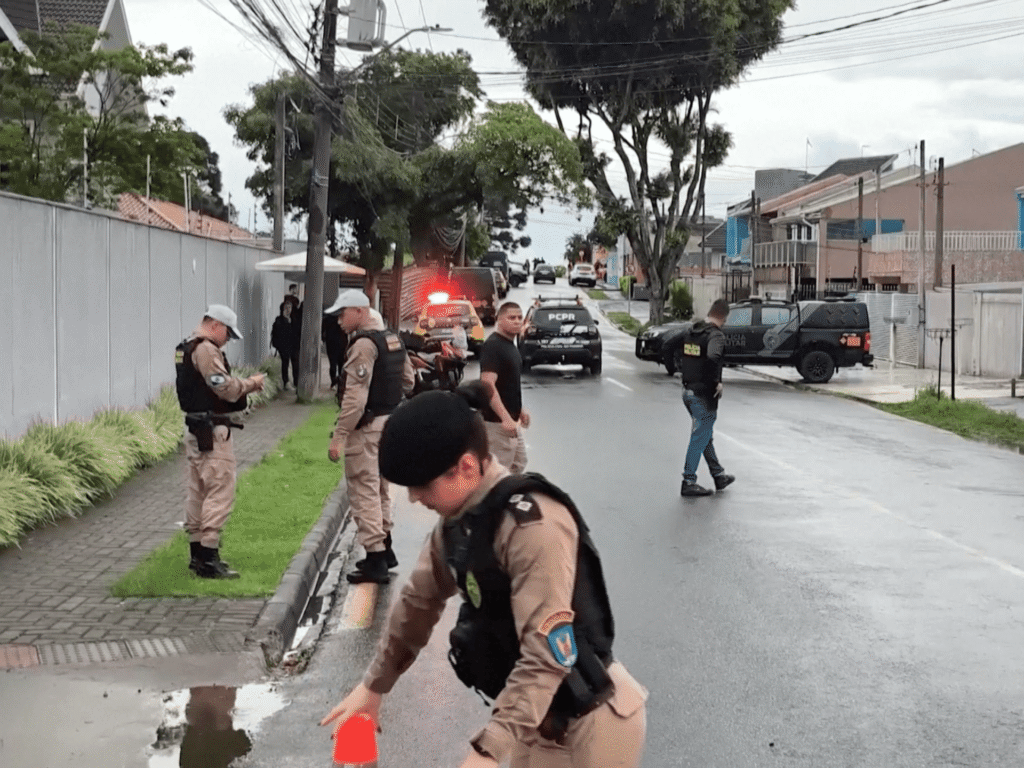
Background – a rare but shocking school incident in Brazil
On October 9, 2026, police in São Paulo responded to a distress call from a private kindergarten where a man had taken 13 children hostage. The suspect, whose identity has not been released, entered the classroom, spread a flammable liquid on the floor and threatened to ignite it with a lighter. The incident unfolded in a city that, despite a relatively low rate of school violence compared with some other nations, has seen a handful of high‑profile attacks in recent years, prompting ongoing debate about security in educational settings.
Brazilian authorities have traditionally relied on a mix of municipal guard units and federal police to protect schools, a system that critics argue is fragmented and under‑funded. According to the Ministry of Education, only about 30 % of public schools have dedicated security personnel, and private institutions often depend on private security firms. This patchwork of protection left many parents uneasy, especially after the 2022 attack on a school in Rio de Janeiro that resulted in multiple injuries.
The kindergarten involved in the latest episode is located in a middle‑class neighbourhood of São Paulo, an area known for its diverse population, including a sizable Afro‑Brazilian community. While the school does not publicly disclose its demographic breakdown, the neighbourhood’s census data shows that over 45 % of residents identify as Black or mixed‑race, reflecting the broader racial composition of the city.
The attack – how police intervened and the suspect’s fate
Witnesses say the suspect entered the classroom armed only with a lighter and a container of gasoline‑like liquid. He ordered the children to sit on the floor while he poured the substance around them, repeatedly threatening to set the room ablaze. Parents and staff, hearing the commotion, called emergency services, prompting a rapid deployment of São Paulo’s tactical police unit, known as the BOPE (Batalhão de Operações Policiais Especiais).
Negotiators attempted to engage the man for over an hour, offering him a chance to surrender peacefully. According to police statements, the suspect grew increasingly agitated and began physically assaulting the children, striking them with his hands. At that point, officers fired a single shot, killing the attacker. All 13 children were rescued with minor injuries; none required hospitalization beyond basic first‑aid treatment.
The police later confirmed that the suspect had a prior criminal record for assault and had been released from a mental‑health facility three months earlier. Officials said the individual had failed to comply with a court‑ordered treatment plan, a detail that has reignited criticism of Brazil’s oversight of individuals deemed a danger to public safety.
Why it matters – child safety, policing and public trust
The incident underscores a growing anxiety among Brazilian parents about the adequacy of school security. A recent survey by the Brazilian Institute of Public Opinion (IBOPE) found that 68 % of respondents consider the safety of their children in schools to be a top national priority, higher than concerns about crime in public spaces. The fact that a lone individual could enter a classroom with flammable material and threaten lives has shaken confidence in existing protective measures.
From a policing perspective, the use of lethal force raises questions about training and de‑escalation protocols. Human‑rights groups, such as the Brazilian Center for Human Rights (Cebras), have called for an independent investigation into whether the suspect’s threat could have been neutralized without a fatal shot. They argue that the rapid escalation to lethal force may reflect a broader trend of aggressive tactics in Brazil’s security forces, which have been under scrutiny since the 2023 police reforms.
The psychological impact on the children cannot be overlooked. Child‑psychology experts warn that exposure to such trauma, even when physical injuries are minimal, can lead to long‑term anxiety, PTSD, and academic setbacks. Local NGOs have pledged counseling services, but the demand may outstrip supply, highlighting gaps in Brazil’s mental‑health infrastructure for minors.
A broader pattern – school attacks on a global rise and Brazil’s place in it
While Brazil’s overall homicide rate has fallen modestly over the past decade, incidents of violence in educational settings have not followed the same trend. Data from the United Nations Office on Drugs and Crime (UNODC) shows a 12 % increase in school‑related attacks worldwide between 2020 and 2025, with Brazil accounting for a disproportionate share of the Latin American figures.
Analysts link this rise to several factors: the spread of extremist ideologies online, insufficient mental‑health resources, and a cultural shift that normalizes the use of violence as a means of expressing grievance. In Brazil, the political polarization that intensified after the 2022 elections has also been cited as a catalyst for heightened social tension, creating an environment where isolated individuals may feel emboldened to act violently.
Comparatively, nations such as the United States and the United Kingdom have introduced stricter school‑security legislation after high‑profile shootings. Brazil has yet to pass comprehensive federal legislation mandating security standards for all schools, leaving each state to craft its own policies. The São Paulo incident may serve as a catalyst for national lawmakers to consider a unified framework.
African‑Brazilian and diaspora dimensions – a story often missed in Western coverage
São Paulo’s Afro‑Brazilian community, which makes up a significant portion of the city’s population, has a unique relationship with public safety. Historical marginalisation has fostered a deep mistrust of police, especially among Black residents who feel targeted by aggressive law‑enforcement tactics. The death of the suspect, who was later identified by local media as a Black man, has sparked a nuanced conversation about race, policing, and accountability that rarely appears in international headlines.
Diaspora organisations, such as the Brazilian‑American Association (BAMA) in New York, have issued statements expressing solidarity with the affected families while urging the Brazilian government to address systemic inequalities that contribute to violence. They point out that many Afro‑Brazilian families rely on private schools as a perceived safe haven, yet those institutions often lack the resources to implement robust security measures, creating a false sense of security.
Furthermore, the incident has reverberated across the broader African diaspora in Brazil, prompting community leaders to call for culturally sensitive trauma support. NGOs like Afro‑Brazilian Youth Initiative (ABYI) are mobilising volunteers trained in trauma‑informed care to work with the children and their families, highlighting a grassroots response that bridges cultural understanding with mental‑health expertise.
What’s next – investigations, policy proposals and support for the victims
The São Paulo Public Prosecutor’s Office has opened an inquiry into the circumstances surrounding the suspect’s release from psychiatric care and the police’s decision to use lethal force. Preliminary findings are expected within the next 60 days, and the case will likely be reviewed by the National Council of Public Safety, which monitors compliance with federal security standards.
In the legislative arena, several senators have introduced a bill that would require all schools—public and private—to adopt a minimum security protocol, including controlled entry points, on‑site security personnel, and regular emergency‑response drills. The proposal also calls for a national registry of individuals deemed a risk to school safety, a measure that has drawn criticism from civil‑rights advocates wary of stigmatizing mental‑health patients.
Meanwhile, charitable foundations and corporate sponsors are stepping in to fund counseling services for the rescued children. The São Paulo Education Department announced a partnership with the Brazilian Association of Child Psychologists to provide free therapy for the next six months, a move praised by parents but described as a short‑term fix by experts who call for sustained investment in child mental‑health programs.
Quick Answers
How many children were taken hostage in the São Paulo kindergarten incident?
Thirteen kindergarteners were held hostage before police rescued them.
What happened to the suspect in the Brazil school hostage crisis?
Police shot and killed the suspect after he began beating the children.
Will Brazil change its school‑security laws after this attack?
Lawmakers have introduced a bill for minimum security standards in all schools, but it has not yet been passed.
Source: www.aljazeera.com




💬 Comments 0