Bruno Fernandes Retains Manchester United Captaincy After 3-0 Bournemouth Loss, Says Michael Carrick – 2026 Decision Explained
Background: Carrick’s First Steps as United Manager
Michael Carrick took over Manchester United in July 2026 after a brief stint as caretaker, becoming the club’s youngest full‑time manager in the Premier League era. A former United midfielder, Carrick’s appointment was seen as a nod to continuity, but also as a test of whether former players can translate on‑field success into managerial credibility.
His early tenure has been marked by a mix of tactical experimentation and squad rotation, especially as he tries to rebuild a side that missed out on Champions League qualification last season. The decision to bench Bruno Fernandes for the Bournemouth fixture was one of his first high‑profile personnel moves, sparking a wave of debate among fans and pundits alike.
What Happened: Fernandes Dropped, United Lose 3-0
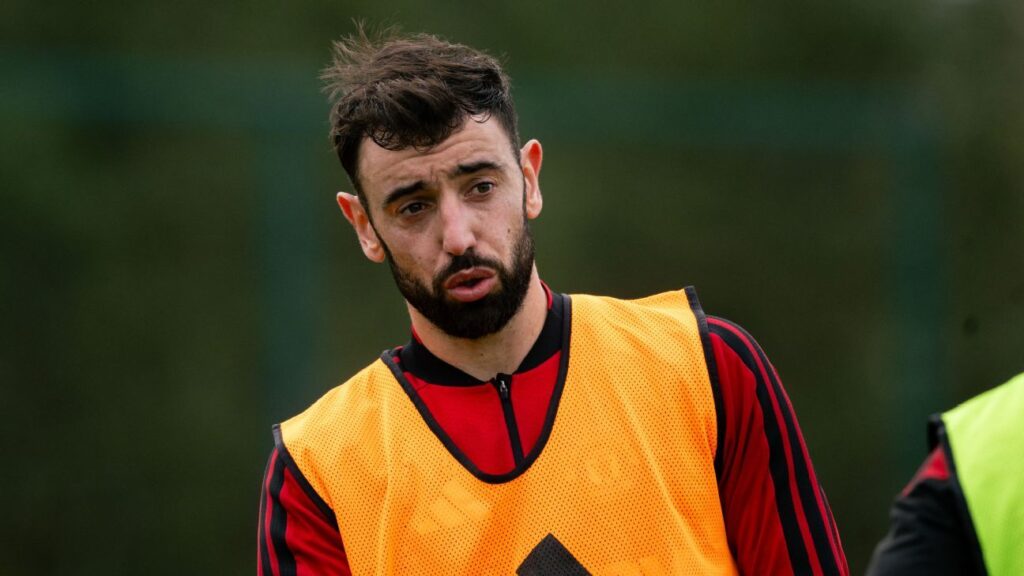
On 27 October 2026, United travelled to the Vitality Stadium and suffered a 3-0 defeat to Bournemouth. Carrick opted to leave Bruno Fernandes on the bench, a choice he defended as a tactical adjustment aimed at giving younger midfielders more game time.
The result was a stark reminder of United’s defensive frailties and a lack of creativity in the final third. While some analysts argued that the benching disrupted the team’s rhythm, others pointed to systemic issues that go beyond any single player’s involvement.
Why It Matters: Leadership, Marketability, and African Fan Engagement
Keeping Fernandes as captain despite the benching sends a clear message about continuity and respect for senior leadership. In a club where the captaincy often doubles as a brand ambassador, the decision protects the commercial value attached to Fernandes’s name, especially in Portuguese‑speaking African markets such as Angola and Mozambique where his popularity drives merchandise sales.
United’s fan base across the continent is estimated at over 50 million, and the captain’s image appears on everything from jerseys to local advertising campaigns. By retaining Fernandes, the club safeguards a revenue stream that could otherwise be jeopardised if a less marketable player were promoted to the armband.
Moreover, the captaincy debate highlights a broader conversation about representation. While Fernandes is not African, his leadership role influences how African players view pathways to prominence at elite European clubs. Young African midfielders watching United’s hierarchy may interpret the decision as a sign that performance alone does not dictate leadership opportunities, prompting discussions about merit versus brand value.
Broader Pattern: Squad Rotation and the Rise of Player‑Centric Branding
Carrick’s move fits into a growing trend among top‑flight clubs to rotate star players without sacrificing their symbolic roles. Premier League sides such as Liverpool and Chelsea have similarly kept long‑standing captains on the roster while experimenting with line‑ups, balancing competitive needs with commercial imperatives.
The pattern reflects an era where football clubs operate as global brands. In Africa, where satellite TV and streaming services make the Premier League a daily fixture, the image of a captain can affect subscription numbers and local sponsorships. United’s decision to keep Fernandes at the helm therefore resonates far beyond Old Trafford, influencing how broadcasters negotiate rights in markets like Nigeria, Kenya and South Africa.
Reactions: Fans, Media, and African Diaspora Voices
British fan forums were split; some praised Carrick for protecting team cohesion, while others demanded a merit‑based captaincy that would reward on‑field performance. In Lagos, a popular football blog highlighted the decision’s impact on United’s African viewership, noting that Fernandes’s presence on the cover of local sports magazines boosts the club’s relevance among younger fans.
Diaspora commentators in London’s Nigerian community echoed similar concerns, arguing that the club’s emphasis on brand over form could set a precedent that sidelines emerging talent, including African players who are already fighting for recognition in elite squads.
What’s Next: Carrick’s Path Forward and Potential Ripple Effects
The next few fixtures will be crucial for Carrick’s credibility. If United can rebound with a win while reintegrating Fernandes, the manager may solidify his authority and demonstrate that rotation does not erode team spirit.
For African markets, the real test lies in whether United’s commercial partners will leverage Fernandes’s captaincy to deepen engagement. Early indications suggest that sponsors in Angola and Mozambique are already planning joint campaigns, which could translate into increased merchandise sales and higher viewership numbers during the remainder of the 2026‑27 season.
Long‑term, the episode may encourage other clubs to reassess how they balance on‑field decisions with off‑field branding, especially in regions where football is both a cultural passion and a significant economic driver.
Quick Answers
Why did Michael Carrick keep Bruno Fernandes as Manchester United captain after the Bournemouth loss?
Carrick said the captaincy reflects leadership continuity and commercial value, and dropping a player for a single game should not automatically strip them of the armband.
How does Bruno Fernandes’s captaincy affect Manchester United’s African fan base?
Fernandes’s popularity in Portuguese‑speaking African countries boosts merchandise sales and viewership, making his captaincy a key marketing asset for United in those markets.
What could happen to United’s performance if Carrick continues rotating his squad?
Consistent rotation may improve squad depth but risks short‑term cohesion; success will depend on how quickly the team adapts and whether key leaders like Fernandes stay influential.
Source: www.espn.com

💬 Comments 0