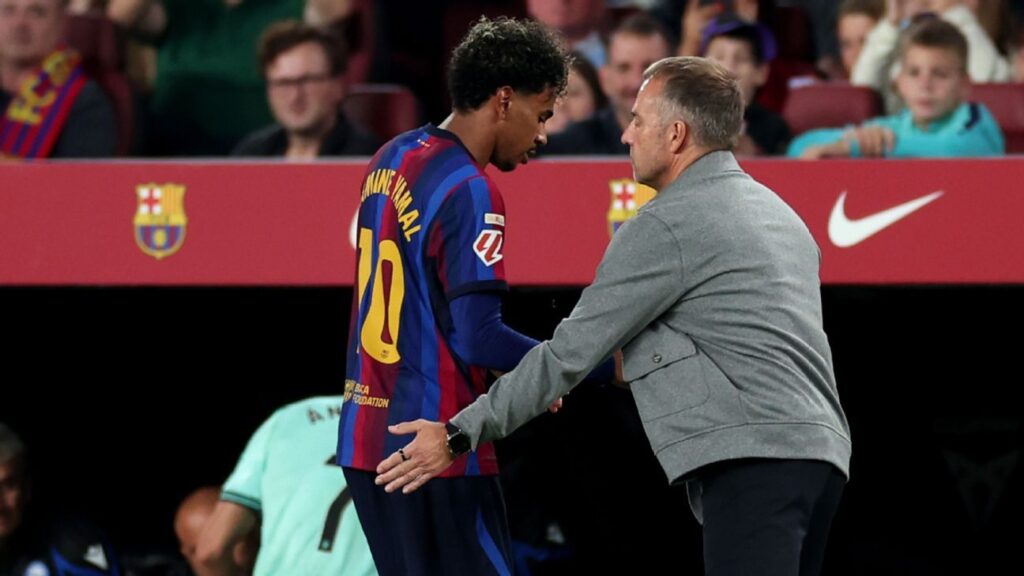
Hansi Flick says Barcelona can win without Lamine Yamal in 2026 – impact on La Masia and African fans
Background: Flick’s appointment and Yamal’s meteoric rise
German coach Hansi Flick took over Barcelona in the summer of 2026 after a turbulent period that saw the club struggle financially and on the pitch. His résumé includes a Champions League win with Bayern Munich, and Barcelona hired him hoping to restore a winning mentality while still respecting the club’s famed youth philosophy.
Lamine Yamal, a 17‑year‑old winger who debuted for the first team last season, quickly became a media sensation. Born in Spain to a Bissau‑Guinean father, Yamal represents one of the growing numbers of players with African roots making an impact in elite European football. His speed, dribbling and flair have drawn comparisons to legendary La Masia graduates.
Yamal’s rise has also resonated with African diaspora communities across Europe and the continent, who see his success as a sign that talent from West Africa can thrive at the highest level, even when coming through a non‑African academy.
The statement: “We can win without him”
During a pre‑season press conference, Flick was asked whether Barcelona’s title hopes depended on Yamal’s continued brilliance. He replied, “We know how to cope without Lamine. The squad has depth, and we can win without him.” The comment was meant to reassure fans anxious about over‑reliance on a teenager, but it also sparked a debate about the club’s future direction.
Flick’s words came after Yamal missed two matches due to a minor hamstring strain. While the young winger returned to training, the coach used the episode to underline that Barcelona’s rebuild is not hinged on a single player, however promising.
According to Spanish sports outlet Marca, the statement was also a tactical warning to opponents: Barcelona’s playing style under Flick will emphasize collective pressing and positional flexibility, not just individual flair.
Why it matters for Barcelona’s strategy
Barcelona has been forced to trim its wage bill and sell several senior stars in recent years. This financial reality pushes the club to lean heavily on La Masia graduates and other low‑cost talents. Flick’s reassurance signals that the management is confident in the depth of the current squad, which includes several academy products beyond Yamal.
If Barcelona can indeed achieve results without constantly fielding its teenage star, it may reduce the pressure that often leads to burnout or injury. This could extend Yamal’s career trajectory, allowing him to develop at a steadier pace while the team benefits from a broader set of options.
The statement also hints at a possible shift in recruitment. Rather than chasing big‑ticket signings, Flick appears to be betting on a balanced mix of home‑grown players and strategically selected foreign talent, a model that aligns with the club’s long‑term sustainability goals.
African diaspora angle: market, identity and inspiration
Yamal’s Bissau‑Guinean heritage makes his prominence a point of pride for West African communities in Europe and back home. Merchandise bearing his name has seen a spike in sales in Guinea‑Bissau and among the diaspora in Portugal, France and the UK, according to a recent report by the African Football Market Observatory.
The visibility of a player with African roots succeeding at a club as global as Barcelona strengthens the narrative that European academies can be pathways for African talent, even when the players are born abroad. This could encourage more scouting missions to West Africa, where clubs hope to discover the next Yamal‑type prodigy.
Furthermore, the statement that Barcelona can win without him may reassure African fans that the club’s reliance on a single “African‑heritage” star is not a marketing gimmick. It underscores a genuine commitment to integrating talent into a collective system, which can inspire young players across the continent to aim for professional careers beyond the usual loan‑to‑lower‑league route.
What’s next: youth development, European trends and the road to La Liga glory
The next few months will test Flick’s claim. Barcelona’s schedule includes a grueling La Liga campaign, Champions League qualifiers and Copa del Rey fixtures. How the coach rotates his squad and whether he continues to give Yamal minutes will be closely monitored by both Barcelona supporters and analysts watching the broader European trend of youth‑centric rebuilding.
If Barcelona succeeds without leaning on Yamal, it could set a benchmark for other clubs facing financial constraints. The model of leveraging academy depth while avoiding over‑exposure of teenage stars may become a template for clubs in Africa, Asia and South America that aim to compete internationally with limited budgets.
For African football stakeholders, Yamal’s trajectory will remain a case study. His performance, marketability and the way Barcelona manages his development will influence future partnerships between European clubs and African football academies, potentially opening new revenue streams and talent pipelines.
Quick Answers
Can Barcelona win titles without Lamine Yamal?
Coach Hansi Flick believes the squad’s depth allows Barcelona to succeed even when Yamal is unavailable.
What is Lamine Yamal’s African connection?
Yamal’s father is from Guinea‑Bissau, making him a figure of pride for West African diaspora communities.
How might Yamal’s success affect African football markets?
His rise boosts merchandise sales in West Africa and encourages European clubs to scout more talent from the region.
Source: www.espn.com




💬 Comments 0